












Comprehensive Summarization:
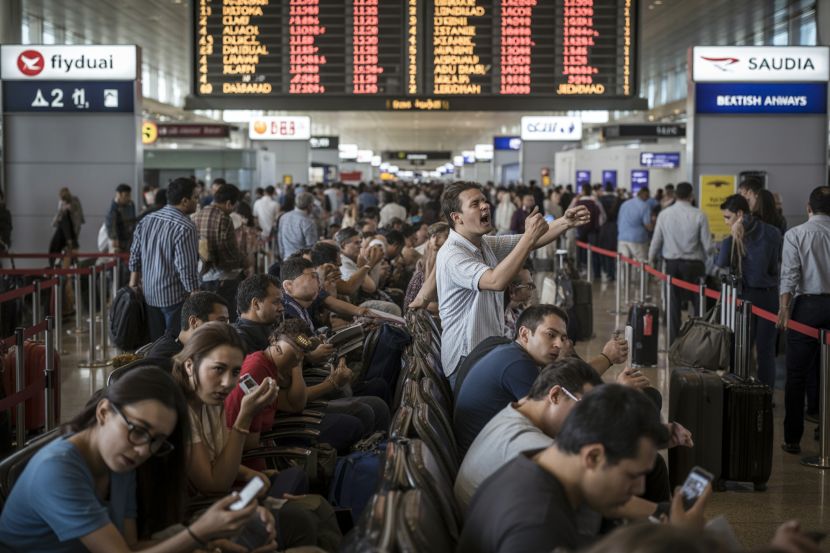
Today, January 16, 2026, thousands of passengers across the Middle East are experiencing significant travel disruptions due to flight delays and cancellations. Major airports such as Dubai International (DXB), Abu Dhabi International (AUH), Cairo International (CAI), King Abdulaziz International (JED), and Istanbul are affected, with a total of 1,556 flights delayed and 8 flights canceled. This disruption impacts major airlines including FlyDubai, Air Canada, Saudia, British Airways, and others. The article highlights the extensive impact on travelers and the operational challenges faced by these airlines in the region.
Key Points:
- Widespread Flight Disruptions: Over 1,556 flights were delayed and 8 were canceled across major airports in Dubai, Abu Dhabi, Cairo, Jeddah, and Istanbul on January 16, 2026.
- Affected Airlines: Major airlines such as FlyDubai, Air Canada, Saudia, British Airways, and others were impacted by the disruptions.
- Operational Challenges: The article emphasizes the operational challenges faced by airlines in managing such a high volume of flight delays and cancellations.
- Impact on Travelers: Thousands of passengers across the Middle East are affected, highlighting the significant disruption to travel plans in the region.
Actionable Takeaways:
-
Enhanced Communication Strategies: Airlines should improve communication with passengers regarding flight delays and cancellations to manage expectations and reduce passenger frustration. This could involve real-time updates through mobile apps, email notifications, and social media platforms.
-
Investment in Technology for Resilience: The article underscores the need for airlines to invest in advanced technology and operational resilience to mitigate the impact of such disruptions. This could include implementing more robust scheduling systems, predictive analytics for weather and operational challenges, and enhanced customer service protocols.
Contextual Insights:
The disruptions in Middle Eastern airports today reflect broader trends in the travel industry, where weather conditions, operational inefficiencies, and external factors can lead to significant travel disruptions. The article aligns with current industry trends emphasizing the importance of technological innovation and customer communication in managing travel disruptions. Forward-looking insights suggest that the adoption of AI-driven solutions for real-time flight tracking and passenger communication will become increasingly critical for airlines to maintain operational efficiency and passenger satisfaction. Additionally, the incident highlights the growing importance of fintech solutions in managing travel disruptions, such as automated refunds and rebooking options, which can enhance the passenger experience during unforeseen disruptions.
Read the Complete Article.



