












Comprehensive Summarization:
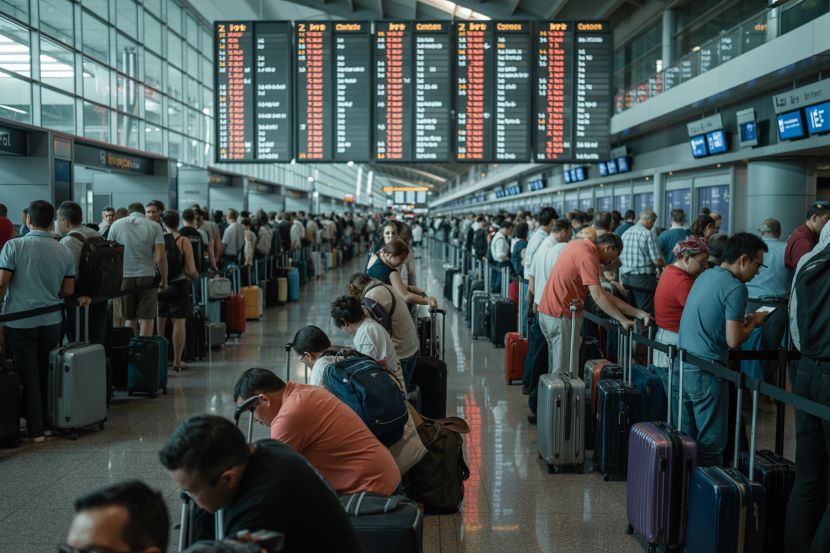
The article reports a significant travel disruption in Israel due to the ongoing US-Israel conflict, leading to the cancellation of 211 flights at Ben Gurion Airport. Major airlines such as FlyDubai, Wizz Air, United, Swiss, Delta, Air Canada, and others have been affected, stranding passengers in various international destinations including Dubai, Prague, Rome, New York, Los Angeles, and Miami. The conflict has caused widespread flight cancellations and delays, impacting thousands of travelers and highlighting the vulnerability of the travel industry to geopolitical tensions.
Key Points:
- Flight Cancellations: 211 flights were cancelled at Ben Gurion Airport due to the US-Israel conflict, affecting major airlines including FlyDubai, Wizz Air, United, Swiss, Delta, Air Canada, and more.
- Geopolitical Impact: The conflict has caused widespread travel disruption, stranding passengers in multiple international destinations.
- Affected Destinations: Passengers were stranded in Dubai, Prague, Rome, New York, Los Angeles, and Miami, among other locations.
- Industry Vulnerability: The incident underscores the travel industry’s susceptibility to geopolitical tensions and the need for contingency planning.
Actionable Takeaways:
- Enhanced Travel Insurance: Travel companies should offer enhanced travel insurance packages that cover cancellations and delays due to geopolitical events. This can provide peace of mind to travelers and mitigate financial losses for airlines.
- Flexible Cancellation Policies: Airlines and travel agencies should implement more flexible cancellation policies to accommodate travelers affected by sudden disruptions. This can help maintain customer trust and loyalty during turbulent times.
- Diversification of Routes: To reduce dependency on single hubs or routes, airlines should diversify their flight networks. This can help mitigate the impact of disruptions in specific regions and ensure smoother travel experiences for passengers.
Contextual Insights:
The article reflects the current state of the travel industry, where geopolitical tensions can have immediate and severe consequences. The incident at Ben Gurion Airport highlights the need for the travel sector to develop robust contingency plans and invest in technologies that can quickly adapt to changing circumstances. As the industry evolves, there is a growing emphasis on leveraging technology for real-time updates, improved communication with travelers, and innovative solutions to manage disruptions. Thought leaders emphasize the importance of resilience and adaptability in travel tech, suggesting that startups focusing on travel disruption management and customer support could gain significant traction. The event also underscores the importance of international cooperation and diplomatic efforts to minimize such conflicts’ impact on global travel.
Read the Complete Article.



