












Comprehensive Summarization:
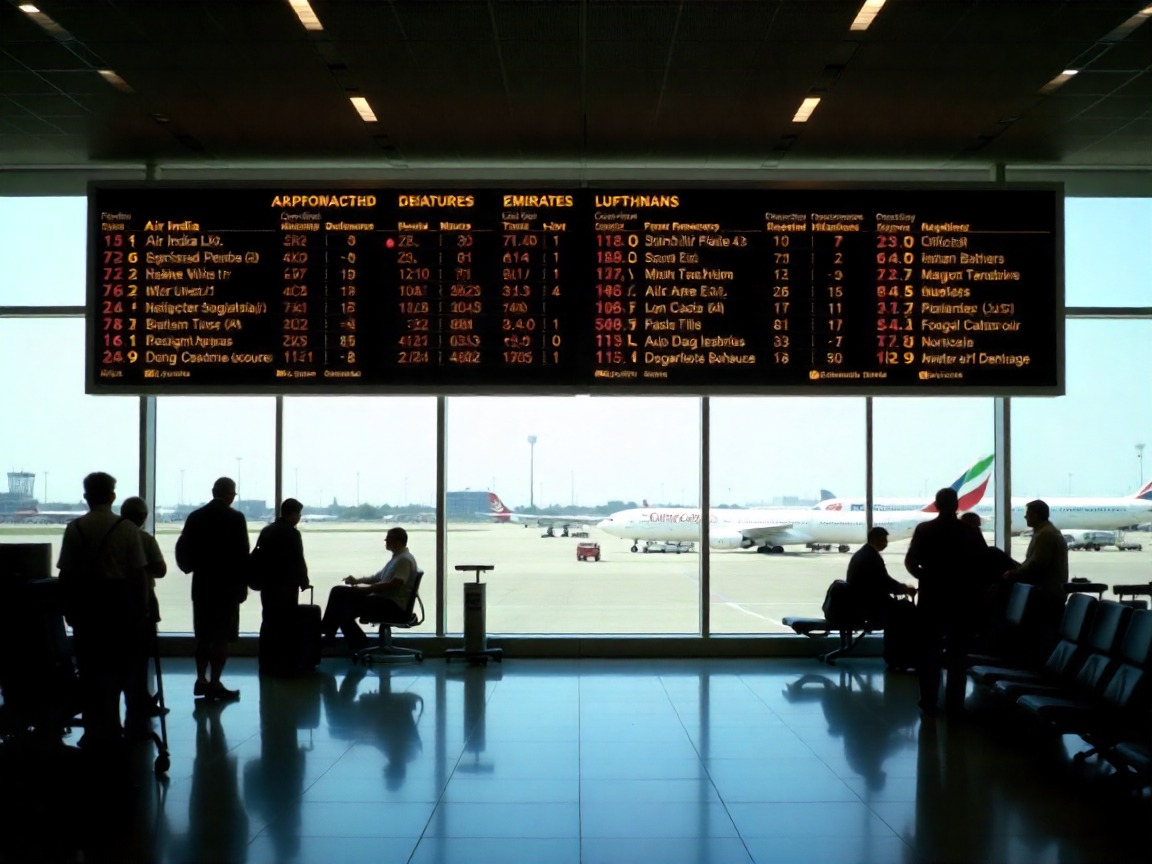
The article reports that major airlines including Air India, Emirates, Lufthansa, Qatar Airways, Turkish Airlines, and FlyDubai have canceled hundreds of flights due to airspace closures in the Middle East, which are disrupting global travel. This development is significant as it highlights the impact of geopolitical tensions on international air travel, affecting millions of travelers’ plans. The article underscores the vulnerability of the global travel industry to regional conflicts and the necessity for airlines to adapt to such disruptions swiftly. It also serves as a reminder of the interconnectedness of the global travel network and the potential ripple effects of such cancellations on travel itineraries worldwide.
Key Points:
- Major airlines such as Air India, Emirates, Lufthansa, Qatar Airways, Turkish Airlines, and FlyDubai have canceled hundreds of flights due to airspace closures in the Middle East.
- These cancellations are a direct result of geopolitical tensions affecting the region, leading to airspace disruptions.
- The article emphasizes the broader impact on global travel, affecting millions of travelers and highlighting the interconnected nature of the international travel network.
- The disruptions underscore the vulnerability of the travel industry to regional conflicts and the need for airlines to have contingency plans for such events.
Actionable Takeaways:
-
Flexible Travel Planning: Travelers should consider flexible booking options and travel insurance to mitigate the impact of flight cancellations. This takeaway is relevant as it provides practical advice to mitigate risks associated with travel disruptions caused by geopolitical events.
-
Monitor Geopolitical Developments: Airlines and travel agencies should closely monitor geopolitical developments in the Middle East to anticipate and prepare for potential flight disruptions. This is crucial for maintaining operational continuity and ensuring customer satisfaction during uncertain times.
-
Invest in Digital Solutions: The article highlights the need for airlines to adapt quickly to disruptions. Investing in digital solutions for real-time flight tracking and customer communication can enhance operational resilience and improve customer experience during travel disruptions.
Contextual Insights:
The cancellation of numerous flights due to airspace closures in the Middle East underscores the vulnerability of the global travel industry to regional geopolitical tensions. This event is emblematic of the broader trend of travel disruptions caused by political instability in key travel corridors. As the travel industry continues to recover from the impacts of the COVID-19 pandemic, such disruptions highlight the importance of robust contingency planning and the integration of digital technologies for real-time communication and operational adjustments. Thought leaders in the travel sector are increasingly advocating for the adoption of advanced technologies, such as AI-driven predictive analytics and blockchain for secure transaction processing, to enhance resilience against unforeseen disruptions. The current situation serves as a timely reminder for industry stakeholders to reassess their risk management strategies and invest in technologies that can provide real-time insights and flexibility in travel planning. This forward-looking perspective is essential for navigating the evolving landscape of global travel amidst ongoing geopolitical uncertainties.
Read the Complete Article.



