












Comprehensive Summarization:
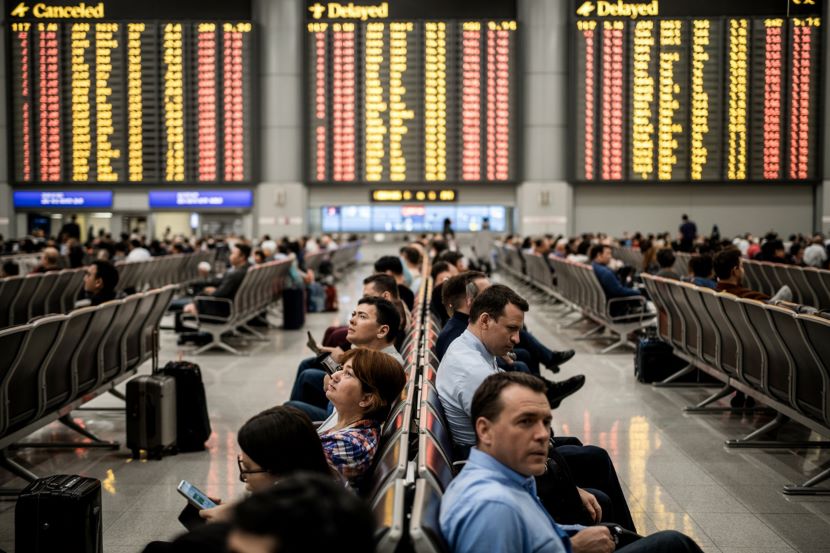
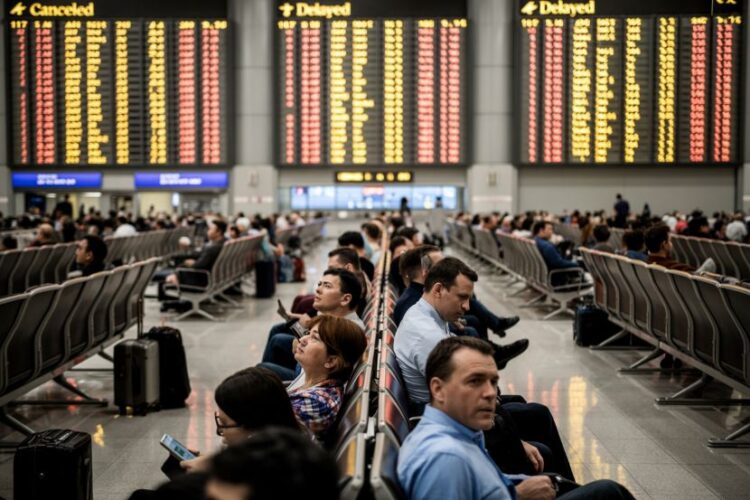
The article reports on a significant disruption in the Middle East travel sector, where hundreds of travelers are currently grounded due to the cancellation of 39 flights and the delay of 137 by Bahrain, UAE, Oman, Qatar, and other countries. This situation is attributed to a combination of airspace restrictions, operational challenges, and geopolitical tensions. The affected airlines include Gulf Air, Flydubai, Saudia, and others, impacting travel hubs such as Seeb, Sharjah, London, and Oslo. The article also includes an image generated with AI, depicting a flight scenario in the region.
Key Points:
- Flight Cancellations and Delays: 39 flights and 137 delays have been canceled across multiple Middle Eastern countries due to airspace restrictions, operational challenges, and geopolitical tensions.
- Affected Airlines and Hubs: Airlines such as Gulf Air, Flydubai, Saudia, and others have been impacted, with travel hubs including Seeb, Sharjah, London, and Oslo experiencing significant disruptions.
- Geopolitical and Operational Factors: The disruptions are a result of a mix of geopolitical tensions and operational challenges within the region’s aviation sector.
- Impact on Travelers: Hundreds of travelers are currently grounded, highlighting the widespread impact of these cancellations and delays.
Actionable Takeaways:
- Monitor Geopolitical Developments: Travel companies and stakeholders should closely monitor geopolitical developments in the Middle East, as they can lead to sudden flight cancellations and delays. Proactive monitoring can help in preparing contingency plans and communicating effectively with travelers.
- Enhance Operational Resilience: The incident underscores the need for airlines and airports to enhance operational resilience. Investing in flexible scheduling, backup crew arrangements, and contingency communication strategies can mitigate the impact of unexpected disruptions.
- Leverage Technology for Real-Time Updates: Utilizing advanced travel tech solutions for real-time updates and communication can help manage traveler expectations and streamline the process of rebooking or rerouting affected passengers. This includes leveraging AI and machine learning for predictive analytics to anticipate and mitigate potential disruptions.
Contextual Insights:
The article reflects the current volatility in the Middle East travel sector, influenced by geopolitical tensions and operational challenges. This situation is emblematic of broader trends in the travel industry, where external factors can quickly lead to significant disruptions. The integration of AI and real-time data analytics is crucial for managing such scenarios, as highlighted by recent thought leaders in travel technology. The event also emphasizes the importance of agile operational strategies and robust communication channels to maintain trust and minimize the impact on travelers. As the industry continues to evolve, staying ahead of emerging trends and leveraging technological innovations will be key to navigating future challenges.
Read the Complete Article.



