












Comprehensive Summarization:
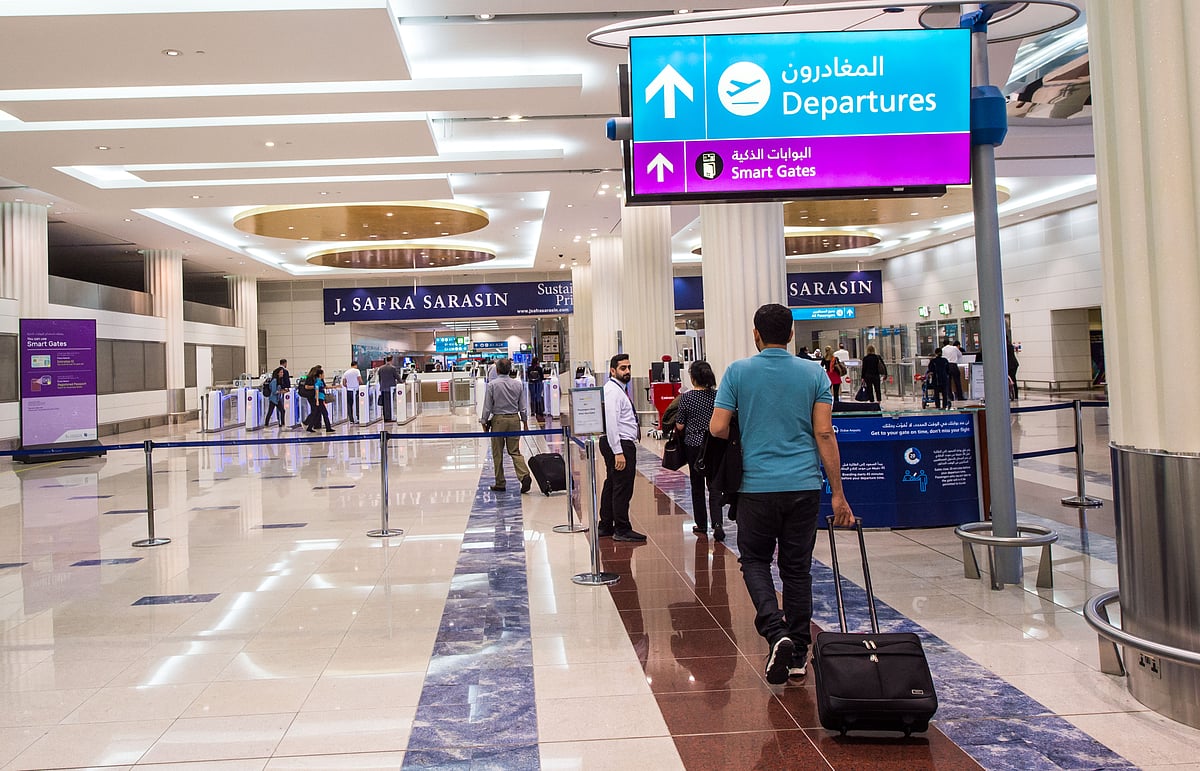
Emirates has resumed operations with a reduced flight schedule as regional airspace begins to reopen partially. Passengers can now view available destinations and book flights directly through the airline’s website. In parallel, Etihad Airways has updated its flight schedule, with accommodations made for passengers holding existing bookings. These updates are crucial as the travel industry navigates the post-pandemic landscape, emphasizing the importance of flexibility and adaptability in flight operations.
Key Points:
- Emirates has resumed operations with a reduced flight schedule following the partial reopening of regional airspace.
- Passengers can directly view available destinations and book flights on Emirates’ website.
- Etihad Airways has released an updated flight schedule valid until March 15, accommodating passengers with existing bookings.
- Both airlines are adapting to the evolving travel landscape, highlighting the need for flexibility and efficient online booking systems.
Actionable Takeaways:
-
Enhanced Online Booking Systems: The resumption of flights with reduced schedules underscores the importance of robust online booking platforms. Airlines should invest in user-friendly, real-time booking systems to accommodate fluctuating demand and provide seamless customer experiences.
-
Flexible Scheduling and Passenger Accommodation: Airlines must implement flexible scheduling policies and efficient systems for accommodating existing bookings. This approach not only retains customer loyalty but also maximizes revenue by optimizing available flight slots.
-
Market Adaptation and Recovery Strategies: The partial reopening of regional airspace signals a cautious yet optimistic recovery phase for the travel industry. Airlines should focus on strategic marketing and partnerships to attract travelers, leveraging digital channels to reach a broader audience.
Contextual Understanding:
The article reflects the ongoing recovery of the global travel industry, marked by cautious optimism and the need for adaptability. Recent events, such as the partial reopening of regional airspace, highlight the sector’s resilience and the importance of digital transformation. Thought leaders emphasize that innovation in travel tech, including advanced booking systems and flexible policies, will be pivotal in driving recovery and sustaining growth. The integration of fintech solutions, such as seamless payment options and digital currencies, could further enhance the travel experience, catering to the evolving preferences of modern travelers.
Handling Different Article Types:
The provided article is a news brief, offering factual updates on Emirates and Etihad Airways’ operational adjustments. The summary, key points, and actionable takeaways are structured to reflect the concise nature of news blurbs, ensuring clarity and relevance for a professional audience. The contextual insights draw from broader industry trends and expert opinions, providing a forward-looking perspective on the travel sector’s recovery trajectory.
Read the Complete Article.



