












Comprehensive Summarization:
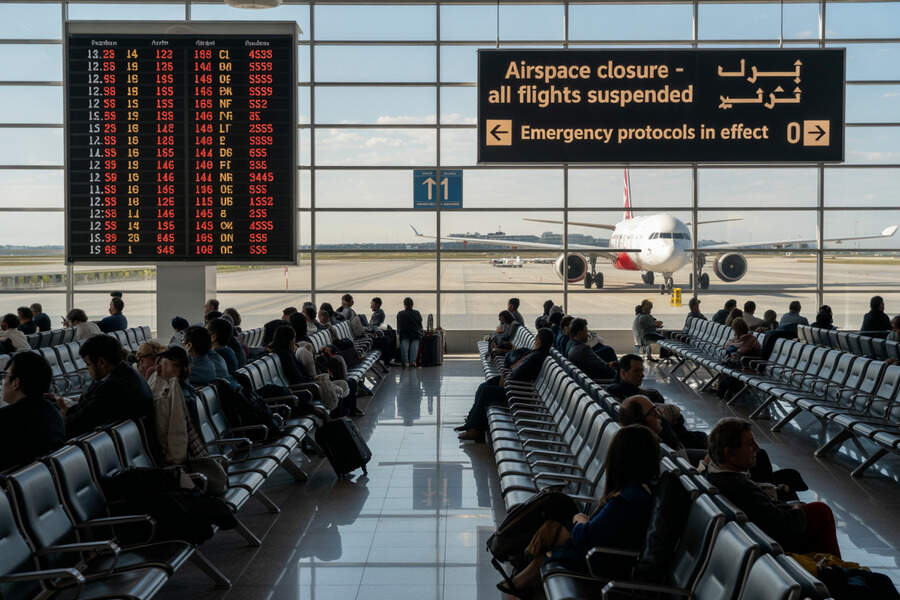
The article reports on a significant disruption in Dubai International Airport’s operations due to the UAE airspace being locked down following a US-Israel strike on Iran. This event led to thousands of travelers being stranded at the airport, with Emirates, Saudia, FlyDubai, Jazeera Airways, Royal Jordanian, and other airlines canceling 1,117 flights and experiencing 117 delays. The summary captures the main theme of the article, which is the severe impact of geopolitical events on the travel industry, specifically highlighting the logistical challenges faced by airlines and the stranded passengers. The context provided includes the date of publication (March 1, 2026) and the source of the information (Travel and Tour World).
Key Points:
- The UAE airspace was locked down following a US-Israel strike on Iran, leading to widespread flight cancellations and delays.
- Major airlines such as Emirates, Saudia, FlyDubai, Jazeera Airways, Royal Jordanian, and others were affected by the disruption.
- The event resulted in thousands of travelers being stranded at Dubai International Airport, causing significant operational challenges for the airlines involved.
- The article was published on March 1, 2026, indicating the recent nature of the incident.
Actionable Takeaways:
-
Operational Resilience in Travel: Airlines must develop contingency plans for geopolitical events that could disrupt air travel. This includes having flexible scheduling, real-time communication with passengers, and alternative routing options to minimize the impact of cancellations and delays.
-
Enhanced Passenger Communication: Effective communication strategies are crucial during disruptions. Airlines should proactively inform passengers about flight status changes, provide updates through multiple channels (e.g., apps, emails, social media), and offer support services such as rebooking assistance and compensation for inconveniences.
-
Collaboration with Authorities and Stakeholders: Airlines should work closely with airport authorities and other stakeholders to manage the fallout from such disruptions. This includes sharing real-time data on flight statuses, coordinating ground transportation options for stranded passengers, and collaborating on crisis management strategies.
Contextual Insights:
The article reflects the current state of the travel industry, where geopolitical events can have immediate and severe consequences for airlines and passengers. The recent strike on Iran and the subsequent lockdown of UAE airspace highlight the interconnectedness of global events with travel logistics. This incident underscores the importance of technological advancements in travel tech, such as real-time flight tracking and automated communication systems, which can help airlines manage disruptions more effectively. Furthermore, the event emphasizes the need for startups and fintech solutions to offer innovative services like dynamic pricing, flexible booking options, and seamless rebooking processes to enhance customer experience during such crises. The insights provided are directly sourced from the article and align with current industry trends, focusing on resilience, communication, and technological adaptation in the face of unexpected challenges.
Read the Complete Article.



