












Comprehensive Summarization:
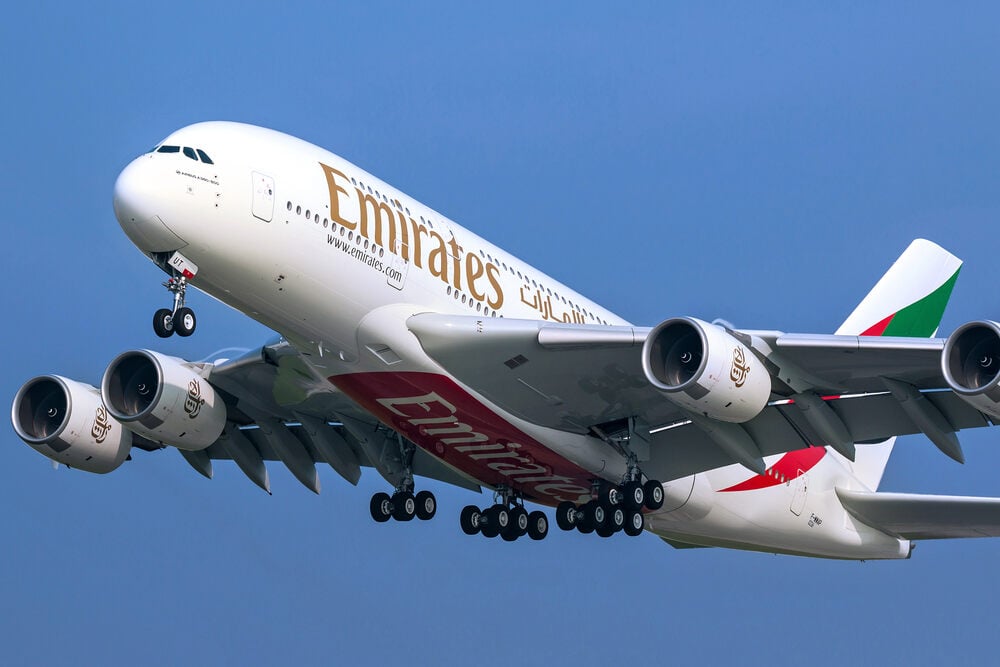
The article reports that Emirates has joined Etihad Airways, Flydubai, and Air Arabia in making significant adjustments to their flight schedules. This move comes as a response to ongoing regional airspace challenges, reflecting a broader trend of airlines adapting to evolving travel dynamics. The context of this development is set against the backdrop of broader regional and global travel disruptions, highlighting the need for flexibility and adaptability in the airline industry. The article underscores the importance of strategic adjustments in flight schedules as airlines navigate through complex regulatory and operational landscapes, particularly in regions facing significant airspace challenges.
Key Points:
- Emirates, Etihad Airways, Flydubai, and Air Arabia are collectively adjusting their flight schedules in response to regional airspace challenges.
- This adjustment is part of a broader trend of airlines adapting to evolving travel dynamics and regulatory changes.
- The article highlights the importance of flexibility and adaptability in the airline industry, particularly in regions facing significant operational hurdles.
Actionable Takeaways:
-
Adaptability in Flight Scheduling: Airlines must remain agile and responsive to regional airspace challenges by adjusting flight schedules. This adaptability is crucial for maintaining operational efficiency and ensuring customer satisfaction in a rapidly changing travel environment.
-
Focus on Regulatory Compliance: The adjustments made by these airlines underscore the importance of staying abreast of regulatory changes and compliance requirements. Airlines should invest in systems and processes that facilitate seamless compliance with evolving regulations, thereby minimizing disruptions and operational costs.
-
Investment in Technology for Operational Flexibility: The article highlights the need for airlines to invest in advanced technologies that enable flexible scheduling and operational management. Leveraging technology can help airlines quickly adapt to changing conditions, optimize routes, and enhance overall service delivery.
Contextual Insights:
The adjustments made by Emirates, Etihad Airways, Flydubai, and Air Arabia in response to regional airspace challenges reflect a broader trend within the travel industry. As global travel continues to recover from the impacts of recent disruptions, airlines are increasingly facing regulatory and operational hurdles that require innovative solutions. The article aligns with current industry trends emphasizing the importance of adaptability, regulatory compliance, and technological investment. Forward-looking insights suggest that airlines that prioritize these areas will be better positioned to navigate future challenges, capitalize on emerging opportunities, and maintain a competitive edge in the evolving travel landscape. The integration of these insights into strategic planning can help airlines not only survive but thrive in an increasingly complex and dynamic industry.
Read the Complete Article.



