












Comprehensive Summarization:
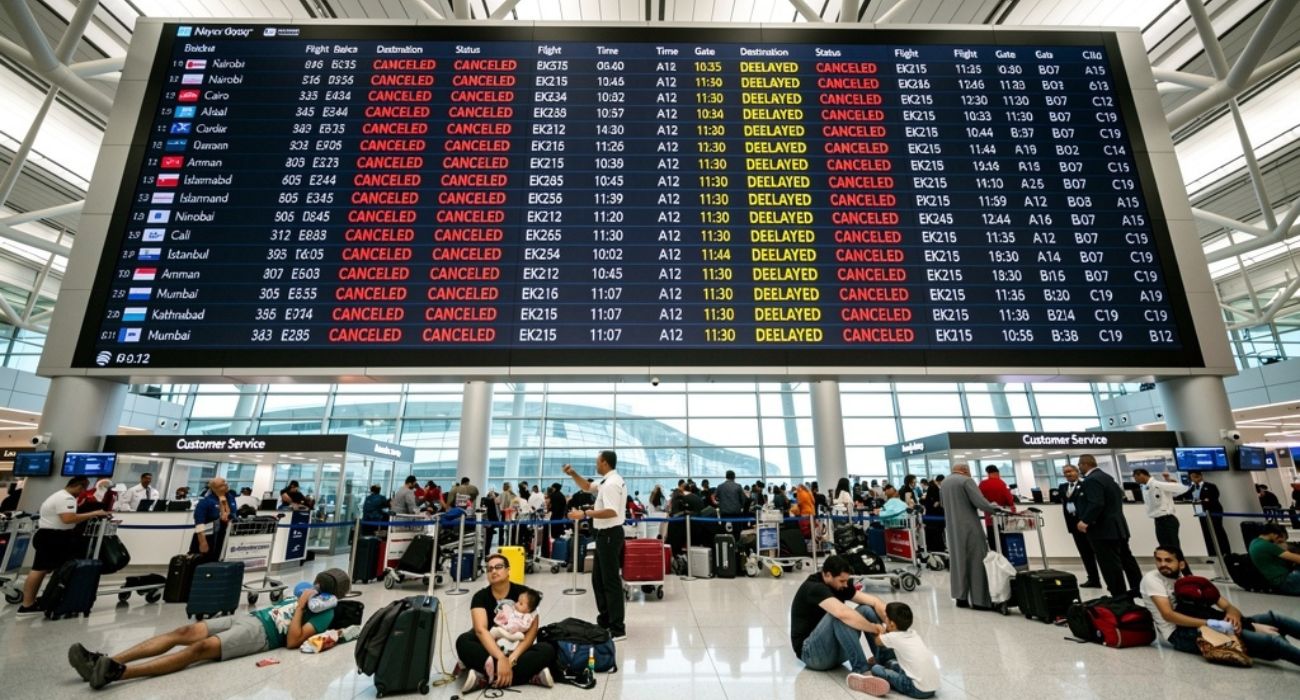
On April 16, 2026, a coordinated spate of cancellations affected major United Arab Emirates (UAE) hubs, including Dubai International, Abu Dhabi International, Sharjah International, and Al Maktoum International. The cancellations totaled 26 abandoned departures, disrupting travel links to several African, South Asian, and Gulf destinations such as Nairobi, Amman, Kabul, Bahrain, Addis Ababa, and Islamabad. The article provides a snapshot of the immediate impact on travelers and industry watchers, highlighting the ripple effect of these cancellations across the travel industry. It also touches on the latest travel trends and insights from thought leaders, offering a forward-looking perspective on the evolving travel landscape.
Key Points:
- Scale of Cancellations: A total of 26 flights were canceled across four major UAE airports on April 16, 2026, disrupting travel to key destinations in Africa, South Asia, and the Gulf.
- Affected Destinations: The cancellations impacted routes to Nairobi, Amman, Kabul, Bahrain, Addis Ababa, Islamabad, and other destinations, causing significant disruptions for travelers.
- Industry Impact: The cancellations have registered a ripple effect, affecting not only individual travelers but also the broader travel industry, prompting industry watchers to closely monitor the situation.
- Latest Travel Trends: The article references the latest travel trends and insights from thought leaders, providing a forward-looking perspective on the evolving travel industry.
Actionable Takeaways:
-
Proactive Communication: Travel companies should prioritize proactive communication with affected travelers to manage expectations and minimize disruption. This includes providing clear updates on rebooking options and potential delays, which can help maintain customer trust and satisfaction.
-
Enhanced Monitoring Systems: Implementing advanced monitoring systems to track real-time flight status changes can help travel companies quickly adapt to disruptions. This includes leveraging technology to offer real-time updates to travelers and adjusting operational plans accordingly.
-
Focus on Resilience: The incident underscores the importance of building resilience in the travel industry. Companies should invest in contingency planning, including flexible ticket policies and robust customer support systems, to better handle unforeseen disruptions in the future.
Contextual Insights:
The coordinated cancellations in the UAE highlight the interconnected nature of the global travel industry, where disruptions in one region can have widespread impacts. This event is particularly relevant in the context of recent travel trends, which have seen increased volatility due to geopolitical tensions, health crises, and economic uncertainties. Thought leaders have emphasized the need for the industry to adapt to these challenges through technological innovation and strategic planning. The article aligns with these insights by showcasing the immediate impact of cancellations and the broader implications for travelers and industry stakeholders. Moving forward, the focus on resilience, real-time communication, and enhanced monitoring systems will be crucial for navigating future uncertainties in the travel sector.
Read the Complete Article.



