












Comprehensive Summarization:
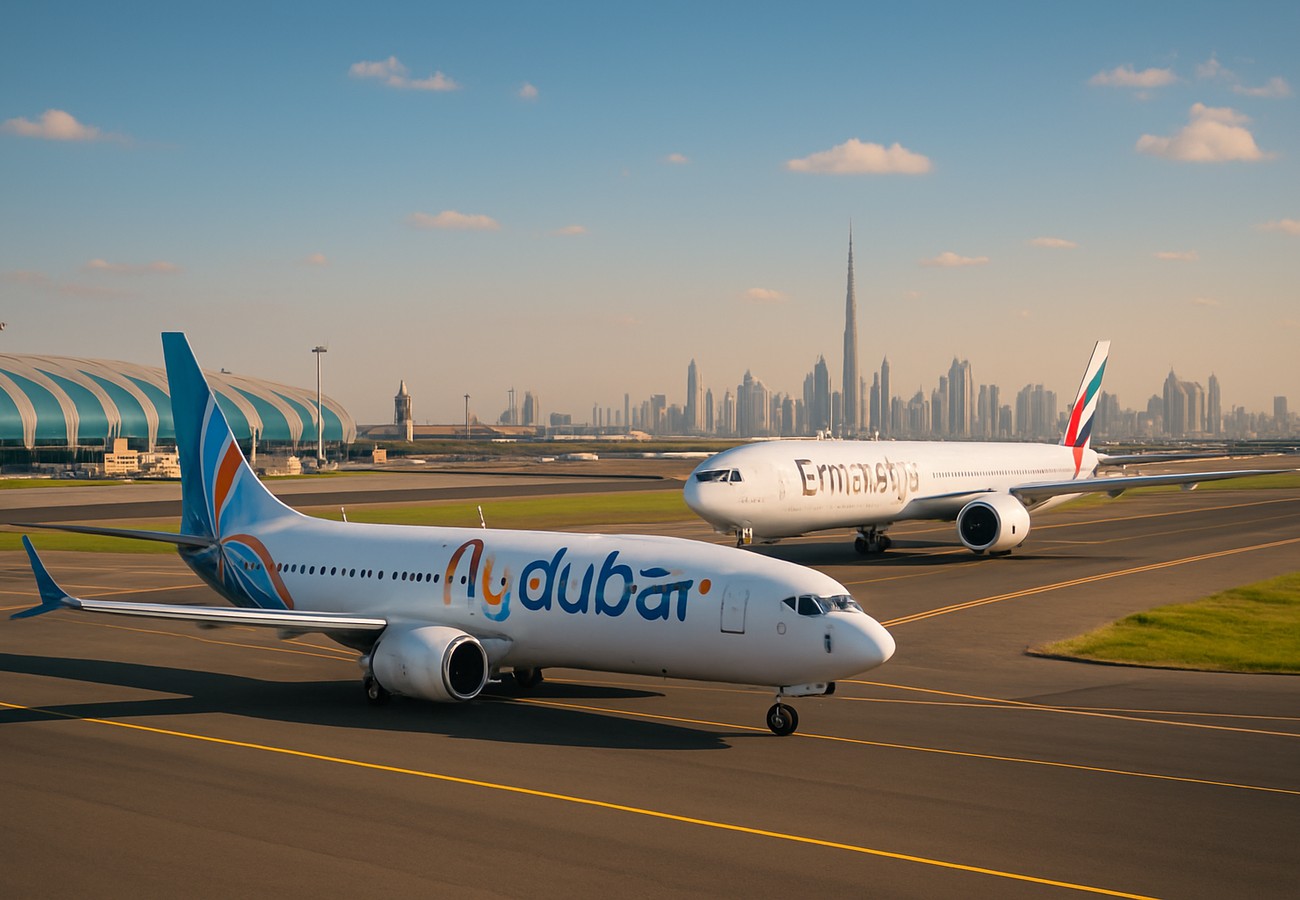
The article reports a significant operational breakdown in Middle East aviation corridors on May 5, 2026, affecting 51 flights and causing over 200 delays across the region’s primary hubs. Dubai International Airport (DXB) is identified as the epicenter of this disruption, with FlyDubai canceling 16 flights and Emirates reporting 9 cancellations, alongside 88 delays. Notably, Oman Air and Qatar Airways each recorded 50% cancellations, indicating a substantial impact on these airlines. The article underscores the cascading delays and cancellations, highlighting the vulnerability of the region’s aviation infrastructure during this period.
Key Points:
- A major operational breakdown occurred at Middle East aviation corridors on May 5, 2026, with 51 flights cancelled and over 200 delays.
- Dubai International Airport (DXB) emerged as the epicenter of the disruption, with FlyDubai canceling 16 flights and Emirates reporting 9 cancellations, alongside 88 delays.
- Oman Air and Qatar Airways each recorded 50% cancellations, indicating significant proportional impacts at these airlines.
- The disruption highlights vulnerabilities in the region’s aviation infrastructure during this period.
Actionable Takeaways:
-
Operational Resilience: The incident underscores the need for enhanced operational resilience in aviation corridors. Airlines and airports should invest in advanced scheduling and real-time monitoring systems to mitigate the impact of such disruptions. This could involve predictive analytics to anticipate potential issues and proactive communication strategies to manage passenger expectations.
-
Strategic Partnerships: The article highlights the interconnectedness of airlines like FlyDubai and Emirates. Strategic partnerships or alliances could help distribute risk and ensure continuity of service during operational breakdowns. Collaborative efforts in route planning, crew management, and resource sharing could enhance the overall resilience of the aviation network.
-
Investment in Technology: The disruption emphasizes the importance of investing in advanced technologies such as AI-driven flight management systems and automated passenger information platforms. These technologies can improve operational efficiency, reduce delays, and enhance passenger experience during disruptions. For startups in the travel tech sector, this presents an opportunity to develop innovative solutions that address the vulnerabilities highlighted in the article.
Contextual Insights:
The operational breakdown in Middle East aviation corridors on May 5, 2026, reflects broader trends of increasing volatility in global travel due to various factors, including geopolitical tensions, pandemics, and natural disasters. The region’s reliance on a few major hubs like DXB highlights the concentration risks inherent in aviation infrastructure. Forward-looking insights suggest that the travel industry must increasingly focus on digital transformation and strategic partnerships to build resilience against such disruptions. Thought leaders emphasize the role of technology in enhancing operational efficiency and passenger experience, suggesting that startups in travel tech and fintech could play a pivotal role in mitigating the impacts of such disruptions. The article also points to the need for regulatory bodies to enforce stricter standards and contingency planning to ensure the stability of the aviation network.
Read the Complete Article.



