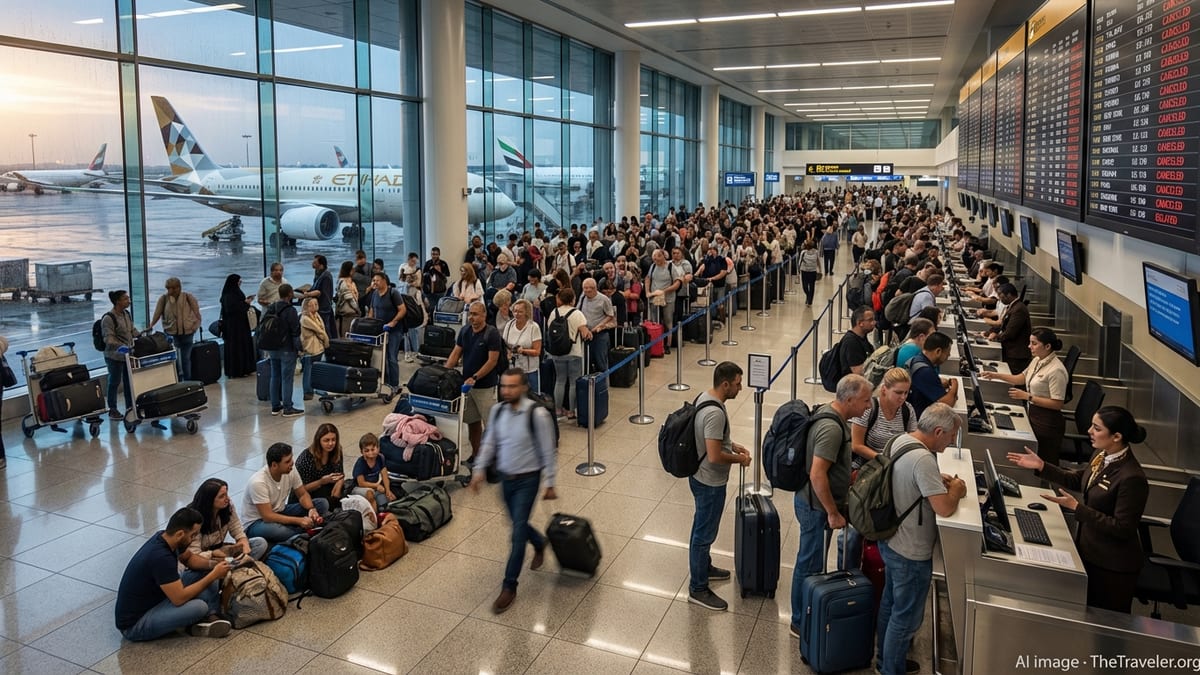
UAE flights cause delays and cancellations for major carriers
THE NEWS: Passengers traveling through UAE airports are facing delays and cancellations today as Emirates, Etihad, Air Arabia and flydubai...
Read moreDetailsEvery alert that matters — when it happens.

Dubai-Iran air corridor disrupted as Dubai Airports lists 17 Flydubai cancellations
Comprehensive Summarization:
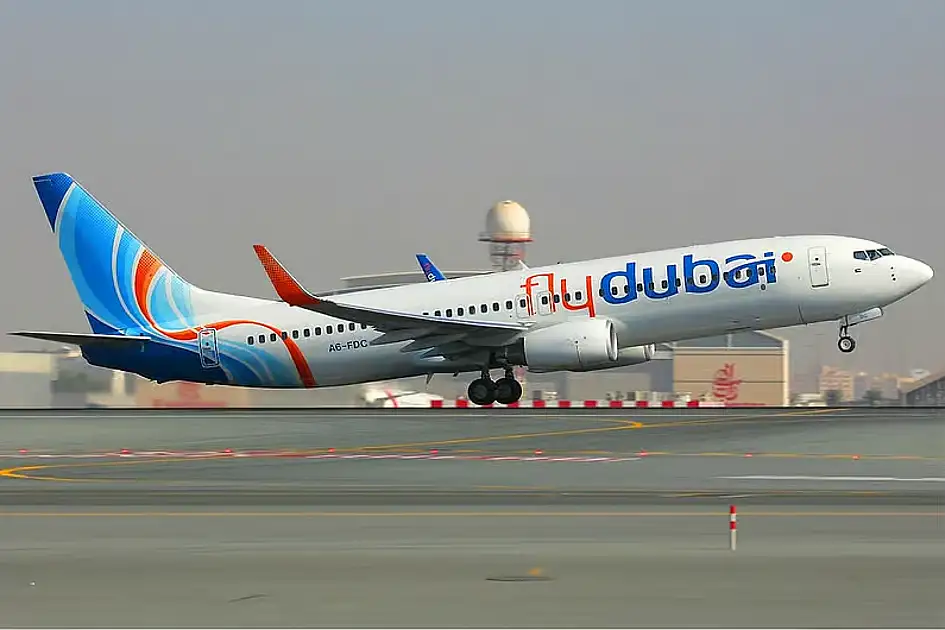
The article announces that flydubai, a Dubai-based carrier, will launch a nonstop daily service between Dubai International Airport’s Terminal 3 and Bangkok’s Don Mueang International Airport starting 1 July 2026. This announcement follows the airline’s recent restoration of most of its regional schedule after temporary air-space restrictions disrupted Gulf aviation in March. The new flight will be operated under flydubai’s codeshare with Bangkok Airways. The article also touches on the broader context of travel trends and insights from thought leaders, highlighting the importance of innovation and adaptability in the travel industry.
Key Points:
Actionable Takeaways:
Strategic Expansion in Southeast Asia: Flydubai’s new nonstop service between Dubai and Bangkok represents a strategic expansion into Southeast Asia, a region with growing travel demand. This move could enhance flydubai’s market presence and attract more passengers to its network. (Relevance: Reflects current industry trends of airlines expanding into high-demand regions.)
Codeshare Agreements as a Growth Strategy: The use of a codeshare agreement with Bangkok Airways highlights the importance of strategic partnerships in the travel industry. Such agreements can help airlines expand their routes and networks without significant capital investment, a trend that is likely to continue as airlines seek cost-effective growth strategies. (Relevance: Aligns with current industry practices of leveraging codeshare agreements for network expansion.)
Impact on Travel Demand: The introduction of a nonstop service is expected to increase travel demand between Dubai and Bangkok, benefiting both airlines and the local tourism industry. This could lead to increased hotel bookings, restaurant reservations, and other travel-related services, demonstrating the ripple effect of airline route expansions on the broader economy. (Relevance: Connects airline route expansions to broader economic impacts, a key consideration for stakeholders in the travel industry.)
Contextual Insights:
The launch of flydubai’s new service between Dubai and Bangkok is set against the backdrop of a rapidly evolving travel industry. Recent events, such as the temporary air-space restrictions that disrupted Gulf aviation in March, underscore the need for airlines to adapt quickly to changing market conditions. This article reflects broader industry trends, such as the increasing importance of codeshare agreements and strategic route expansions to meet growing travel demand. Thought leaders in the travel sector emphasize the role of innovation and adaptability in navigating the challenges and opportunities presented by a dynamic market. As airlines continue to explore new routes and partnerships, the focus remains on enhancing connectivity, improving passenger experience, and driving sustainable growth in the sector.
Read the Complete Article.
THE NEWS: Passengers traveling through UAE airports are facing delays and cancellations today as Emirates, Etihad, Air Arabia and flydubai...
Read moreDetails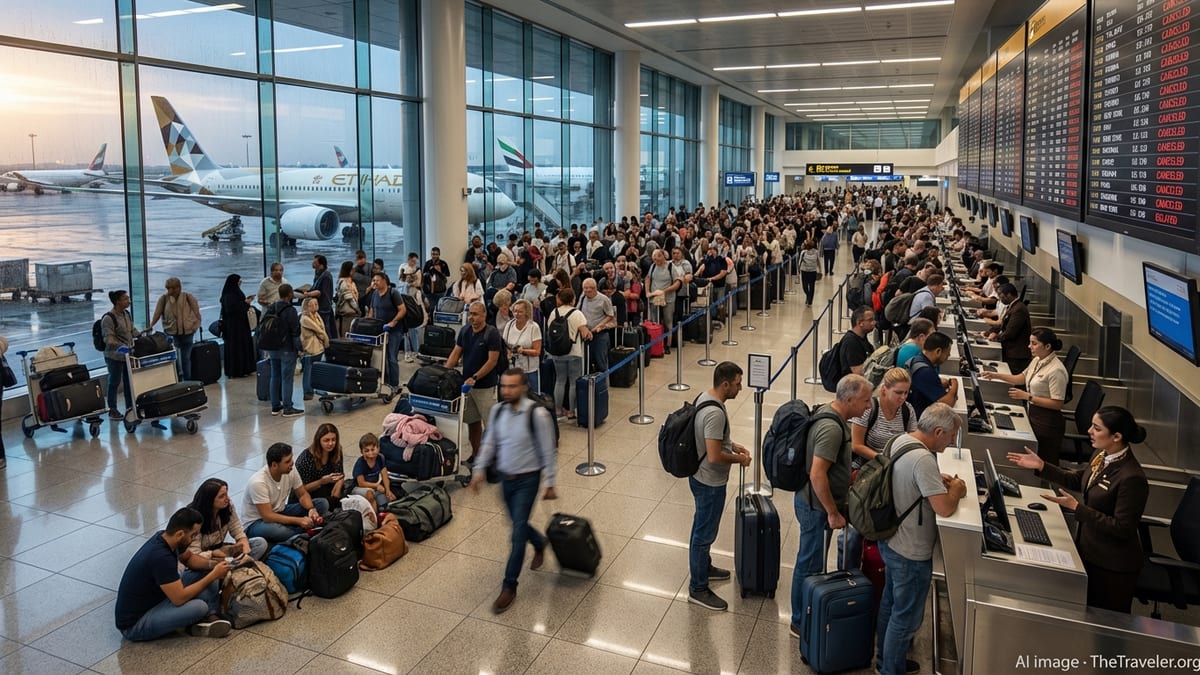
Experience the magic of the Nile aboard Kenzy Dahabeya, a luxury boutique sailing cruise that offers an unforgettable journey between...
Read moreDetails