
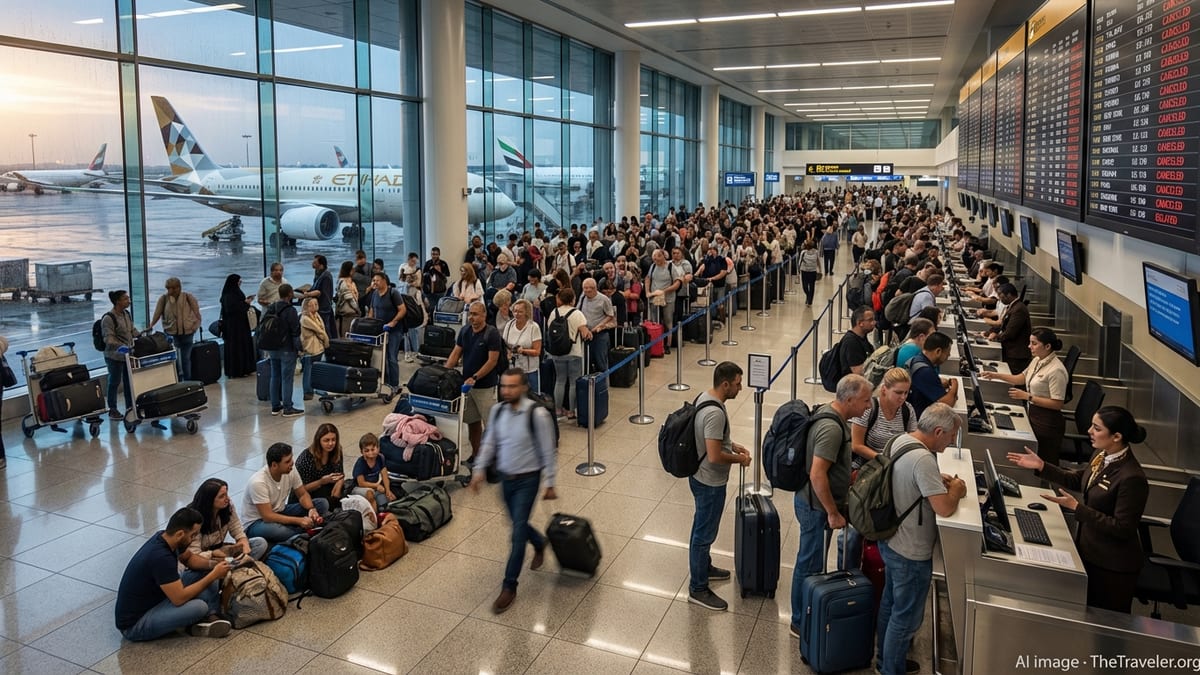
UAE flights cause delays and cancellations for major carriers
THE NEWS: Passengers traveling through UAE airports are facing delays and cancellations today as Emirates, Etihad, Air Arabia and flydubai...
Read moreDetailsEvery alert that matters — when it happens.

Dubai-Iran air corridor disrupted as Dubai Airports lists 17 Flydubai cancellations
Comprehensive Summarization:
The article highlights heightened alertness among Emirati airlines this weekend due to US Notices to Airmen (NOTAMs) warning of potential military action against Iran. Analysts suggest that such actions could lead to temporary closures of Iranian or Iraqi air-routes, compelling wide-body aircraft operated by Emirates, Etihad Airways, and flydubai to add two-to-three-hour detours around the Strait of Hormuz. This rerouting is estimated to incur an additional cost of US $6,000–7,500 in fuel, crew, and maintenance per flight, underscoring the significant financial and operational implications for the airline industry in the region.
Key Points:
Actionable Takeaways:
Operational Cost Management: Airlines operating in the region should implement cost management strategies to mitigate the impact of potential route closures. This could include optimizing flight schedules, exploring alternative routes, or adjusting fleet sizes to balance cost and service continuity.
Strategic Partnerships and Diversification: Airlines should consider forming strategic partnerships or diversifying their route networks to reduce dependency on specific air-routes. This could involve collaborating with other airlines to share resources or expanding into less affected regions to maintain service continuity.
Investment in Fuel Efficiency: Given the potential increase in fuel costs due to rerouting, airlines should invest in fuel-efficient technologies and practices. This could include upgrading aircraft fleets to more fuel-efficient models, optimizing flight paths using advanced navigation technologies, and implementing operational procedures that minimize fuel consumption.
Contextual Insights:
The article reflects the current geopolitical tensions between Iran and the US, which have significant implications for the aviation industry in the Middle East. The potential for route closures and increased operational costs underscores the vulnerability of airlines to external geopolitical factors. This situation highlights the need for airlines to adopt flexible operational strategies that can adapt to rapidly changing circumstances. Furthermore, the emphasis on fuel efficiency and cost management aligns with broader industry trends towards sustainability and financial prudence. As the travel industry continues to navigate uncertainties, thought leaders emphasize the importance of agility, innovation, and strategic foresight to ensure resilience and long-term success.
Read the Complete Article.
THE NEWS: Passengers traveling through UAE airports are facing delays and cancellations today as Emirates, Etihad, Air Arabia and flydubai...
Read moreDetails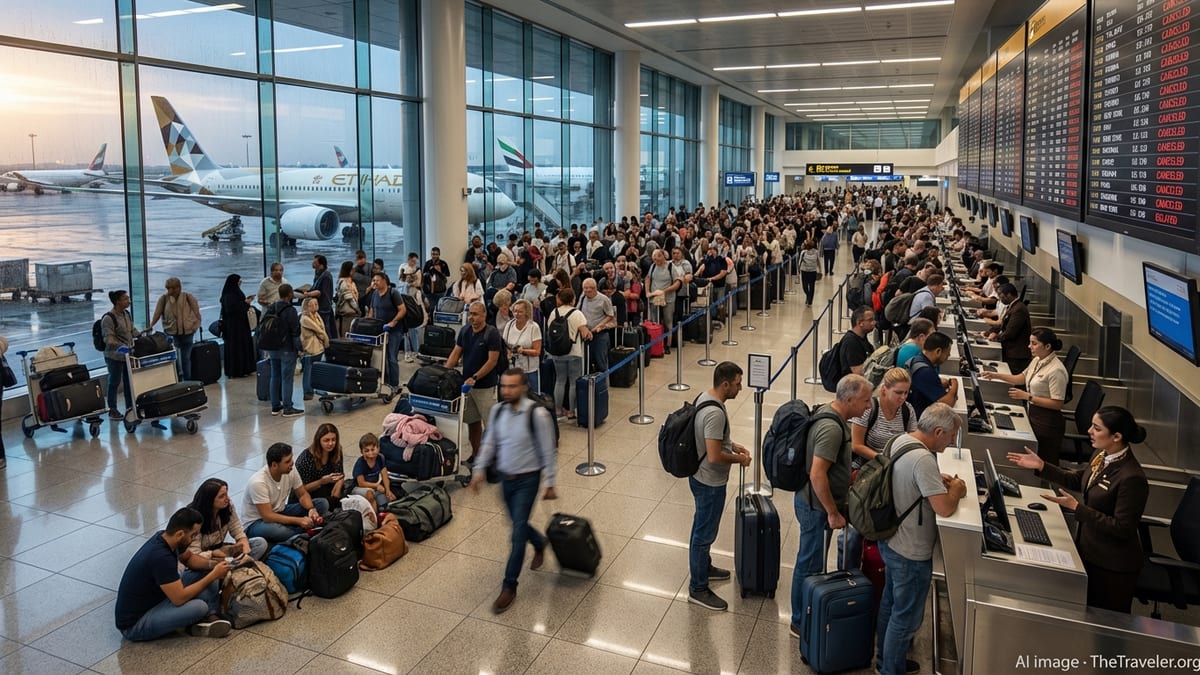
Experience the magic of the Nile aboard Kenzy Dahabeya, a luxury boutique sailing cruise that offers an unforgettable journey between...
Read moreDetails





