












Comprehensive Summarization:
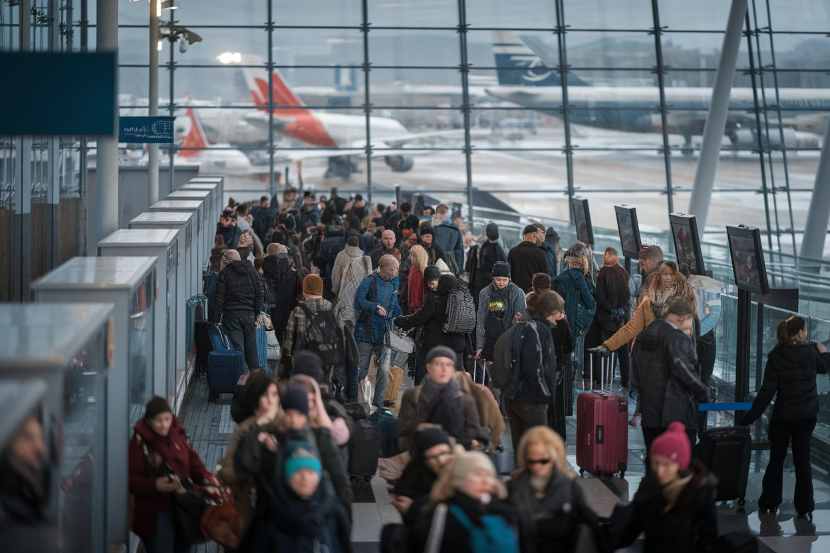
The article reports on significant air travel disruptions across Poland, caused by Lufthansa, Qatar Airways, Ryanair, and FlyDubai suspending 29 flights and experiencing numerous delays. This disruption severely impacts major routes in Warsaw and Kraków, leaving many travellers stranded and facing considerable uncertainty. The article highlights the immediate impact on travellers and the broader implications for the travel industry in Poland, emphasizing the need for effective communication and support mechanisms during such disruptions.
Key Points:
- Lufthansa, Qatar Airways, Ryanair, and FlyDubai have suspended 29 flights and experienced numerous delays in Poland.
- The disruptions are impacting major routes in Warsaw and Kraków, causing significant inconvenience for travellers.
- The situation has left many travellers stranded, highlighting the challenges faced by the travel industry in managing such disruptions.
- The article underscores the importance of clear communication and support for stranded travellers during such crises.
Actionable Takeaways:
-
Enhanced Communication Protocols: Airlines should implement robust communication protocols to keep passengers informed about flight status changes in real-time. This can help mitigate the impact on travellers and improve overall customer satisfaction.
-
Flexible Rebooking Policies: Airlines should offer flexible rebooking options for affected passengers, allowing them to reschedule flights with minimal penalties. This can help reduce the financial and logistical burden on travellers stranded due to flight disruptions.
-
Investment in Technology for Real-Time Tracking: Travel companies should invest in advanced technology solutions for real-time flight tracking and passenger updates. This can enhance transparency and trust, ensuring that travellers are well-informed throughout their journey.
Contextual Insights:
The disruptions in air travel across Poland are indicative of broader challenges faced by the global travel industry, particularly in managing unforeseen events such as flight cancellations and delays. The article reflects current trends in travel tech, where real-time communication and flexible policies are becoming increasingly important. As the industry continues to evolve, the integration of advanced technologies for real-time tracking and improved customer support mechanisms will be crucial in maintaining operational efficiency and customer trust. These insights highlight the need for continuous innovation and adaptation in travel services to meet the demands of modern travellers.
Read the Complete Article.



