












Article Summary:
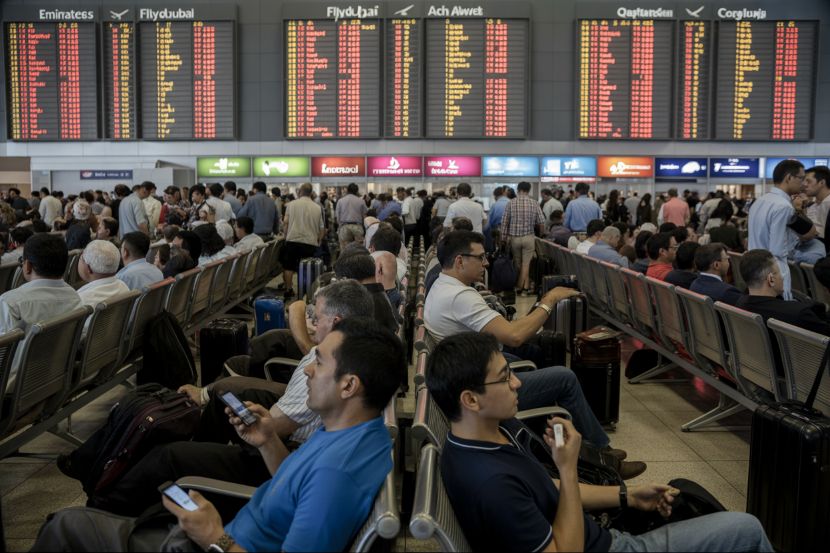
Flight disruptions across the Middle East have significantly impacted travel, with over 40 flights scrapped and 430 delayed. This disruption affects major airlines such as Qatar Airways, FlyDubai, Emirates, and Royal Jordanian, causing inconvenience for passengers in the UAE, Qatar, and Jordan. The article highlights the challenges these airlines are facing in meeting demand and the broader implications for the travel industry in the region.
Key Points:
- Over 40 flights have been canceled, and 430 flights delayed across the Middle East, impacting major airlines including Qatar Airways, FlyDubai, Emirates, and Royal Jordanian.
- The disruptions are causing significant inconvenience for passengers in the UAE, Qatar, and Jordan, highlighting challenges in meeting travel demand.
- The article emphasizes the struggle of these airlines to manage the increased disruptions and maintain service levels.
Actionable Takeaways:
- Enhanced Resilience in Travel Operations: Airlines must invest in more robust operational resilience strategies to mitigate the impact of flight disruptions. This includes developing contingency plans for sudden cancellations and delays, ensuring that they can quickly re-route passengers and manage alternative travel options efficiently. This takeaway is crucial as it directly addresses the operational challenges faced by airlines in maintaining service continuity during disruptions.
- Focus on Passenger Communication: Effective communication with passengers during disruptions is vital. Airlines should implement clear and timely communication strategies to keep passengers informed about flight status changes, alternative travel options, and any necessary adjustments to their travel plans. This takeaway is important as it directly impacts passenger satisfaction and loyalty, which are critical in the competitive travel industry.
Contextual Insights:
The disruptions in Middle Eastern flights reflect broader challenges faced by the global travel industry, particularly in regions with high travel demand and complex regulatory environments. Recent events, such as geopolitical tensions and health crises, have exacerbated these issues, leading to increased volatility in travel schedules. Technological advancements in travel tech and AI-driven solutions are emerging as potential solutions to enhance operational efficiency and improve passenger experience during disruptions. Airlines that leverage these innovations can better manage disruptions, reduce their impact on operations, and maintain high levels of customer satisfaction. This contextual analysis underscores the importance of staying ahead of industry trends and adopting innovative solutions to navigate the evolving travel landscape.
Read the Complete Article.



