












Article Summary:
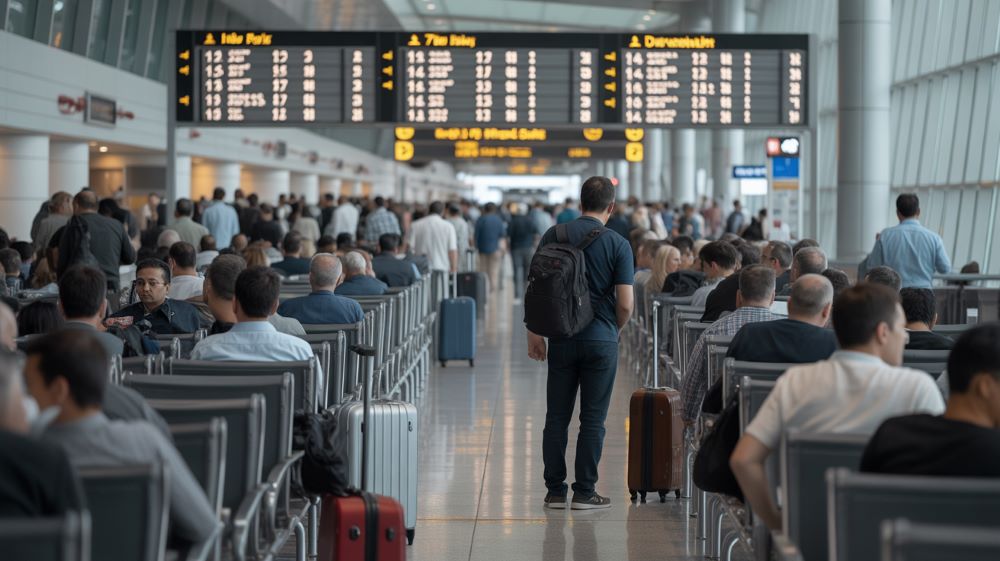
The Middle East is currently experiencing a significant travel crisis as major airlines such as FlyDubai, Saudia, Emirates, Etihad, and Qatar Airways face widespread disruptions. These disruptions include the grounding of 16 flights and the delay of 287 flights across key international airports in Saudi Arabia, the UAE, Qatar, and beyond. This situation has led to numerous travelers being stranded in cities like Dubai, Jeddah, Abu Dhabi, and Doha. The article highlights the challenges faced by these airlines and the broader implications for the travel industry in the region.
Key Points:
- FlyDubai, Saudia, Emirates, Etihad, and Qatar Airways are experiencing widespread disruptions across their operations in the Middle East.
- The crisis involves the grounding of 16 flights and the delay of 287 flights, causing significant inconvenience to travelers.
- Major airports in Saudi Arabia, the UAE, Qatar, and other regions are affected, leading to stranded travelers in cities such as Dubai, Jeddah, Abu Dhabi, and Doha.
- The disruptions highlight the vulnerabilities in the travel infrastructure of the region and the need for immediate attention and resolution.
Actionable Takeaways:
- Enhanced Communication Protocols: Airlines should improve their communication strategies to keep passengers informed about flight status changes in real-time. This can help mitigate the impact on stranded travelers and improve overall customer satisfaction.
- Investment in Resilient Infrastructure: The travel industry in the Middle East should invest in more resilient airport infrastructure and operational systems to better handle unexpected disruptions. This includes upgrading technology for flight tracking, enhancing ground staff training, and developing contingency plans for large-scale disruptions.
- Collaborative Solutions: Airlines and airport authorities should collaborate more closely to develop shared contingency plans and resources. This could involve pooling resources during crises, sharing real-time data on flight statuses, and coordinating efforts to reroute flights efficiently.
Contextual Insights:
The current travel crisis in the Middle East underscores the importance of robust operational frameworks and communication strategies within the travel industry. The grounding of multiple flights and the resulting stranded travelers highlight vulnerabilities in the region’s airport infrastructure and airline operations. This situation is a stark reminder of the need for continuous improvement in travel technology and logistics to ensure resilience against unforeseen disruptions.
In the broader context of the travel industry, this crisis also highlights the growing importance of technological advancements in managing travel disruptions. Innovations in real-time flight tracking, automated communication systems, and predictive analytics can play a crucial role in enhancing operational efficiency and passenger experience. As the industry continues to evolve, startups and established players alike must focus on integrating these technologies to stay competitive and meet the rising expectations of travelers.
The recent surge in travel disruptions also points to a broader trend of increased volatility in the travel sector, driven by factors such as geopolitical tensions, economic uncertainties, and the lingering effects of the COVID-19 pandemic. Forward-looking insights suggest that the industry must adapt to these challenges by fostering innovation, enhancing collaboration among stakeholders, and prioritizing customer-centric solutions. By doing so, the travel industry can not only recover from current crises but also build a more resilient and adaptable future.
Read the Complete Article.



