












Comprehensive Summarization:
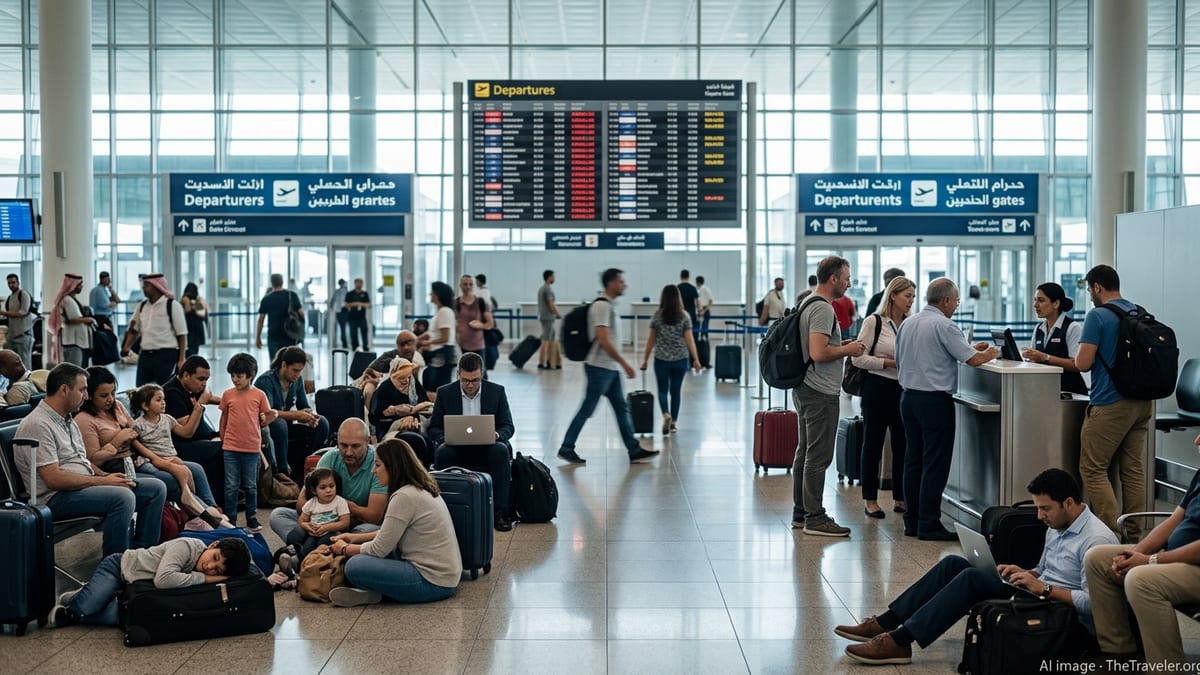
The article reports on significant flight disruptions across major Middle Eastern transit hubs, including Tel Aviv and Dubai, due to the cancellation of at least 66 flights and delays of over 100 others by El Al, Emirates, and FlyDubai. This disruption is attributed to ongoing regional instability and lingering airspace restrictions. The article highlights the severe impact on travel, emphasizing the challenges faced by passengers and the broader implications for the travel industry in the region.
Key Points:
- Hundreds of passengers were stranded across the Middle East due to flight cancellations and delays by El Al, Emirates, and FlyDubai.
- The disruption affected major transit hubs such as Tel Aviv and Dubai, severely impacting travel schedules.
- The situation is exacerbated by ongoing regional instability and existing airspace restrictions.
- The article underscores the challenges faced by travelers and the broader implications for the travel industry in the region.
Actionable Takeaways:
-
Enhanced Travel Insurance and Support Services: Given the increased likelihood of flight disruptions, travel companies should consider offering enhanced travel insurance packages that include comprehensive support services for stranded passengers. This can help mitigate the financial and emotional impact on travelers, improving customer satisfaction and loyalty.
-
Strategic Partnerships with Regional Airlines: Airlines operating in the Middle East should explore strategic partnerships with regional carriers to ensure alternative routing options during times of airspace restrictions. This collaboration can help maintain connectivity and minimize disruptions for passengers, thereby enhancing the overall travel experience.
-
Investment in Advanced Travel Technology: The article highlights the challenges posed by regional instability and airspace restrictions. Investing in advanced travel technology, such as real-time flight tracking and predictive analytics, can help airlines and travel companies anticipate and mitigate disruptions more effectively. This technology can provide passengers with timely updates and alternative travel options, reducing the impact of flight cancellations and delays.
Contextual Insights:
The disruptions in Middle Eastern travel highlight the vulnerability of the travel industry to geopolitical and logistical challenges. The ongoing regional instability and airspace restrictions underscore the need for the industry to develop robust contingency plans and invest in technologies that enhance resilience. As travel trends continue to evolve, with a growing emphasis on safety and flexibility, companies must adapt by leveraging innovative solutions to ensure seamless travel experiences. This includes not only technological advancements but also strategic partnerships and enhanced customer support services. By addressing these challenges proactively, the travel industry can better navigate uncertainties and maintain its competitive edge in a dynamic global landscape.
Read the Complete Article.



