












Comprehensive Summarization:
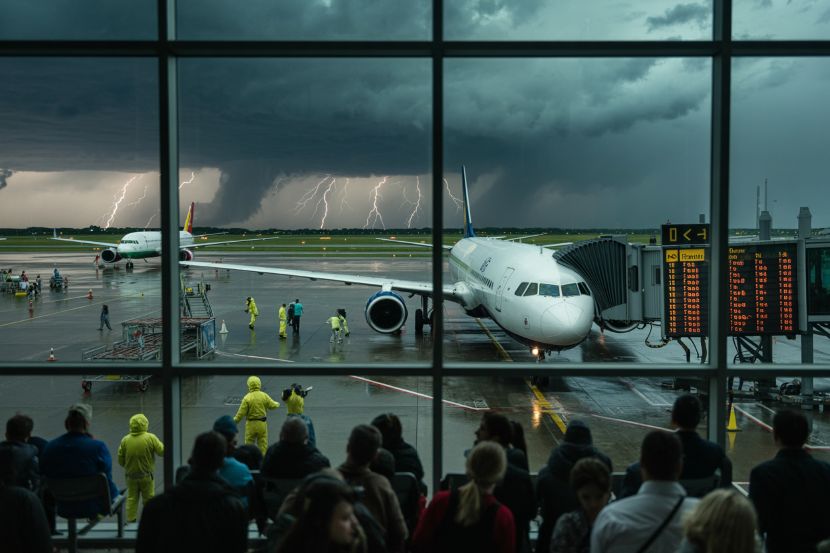
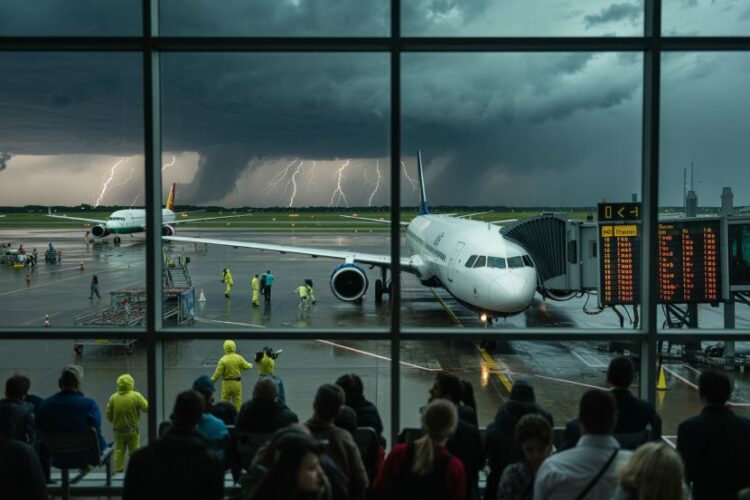
The article reports severe weather disruptions affecting the Middle East, leading to the scrapping of 51 flights and the delay of 635 others. Major airlines such as Qatar Airways, Flydubai, Saudia, and Pegasus Airlines are notably impacted, with disruptions occurring in Dubai, Riyadh, Jeddah, and Istanbul. The article highlights the challenges faced by the aviation industry due to unforeseen weather conditions, emphasizing the operational difficulties and passenger inconvenience caused by these disruptions.
Key Points:
- Severe weather conditions have led to the cancellation of 51 flights and the delay of 635 flights across major Middle Eastern airports.
- Airlines affected include Qatar Airways, Flydubai, Saudia, and Pegasus Airlines, with significant disruptions in Dubai, Riyadh, Jeddah, and Istanbul.
- The disruptions highlight the vulnerability of the aviation industry to weather-related challenges, impacting both operational efficiency and passenger experience.
Actionable Takeaways:
-
Implement Flexible Rescheduling Policies: Airlines should develop and communicate flexible rescheduling policies to minimize passenger inconvenience during weather-related disruptions. This can enhance customer satisfaction and loyalty by offering options such as free rebooking or fare adjustments.
-
Invest in Weather Forecasting Technologies: Airlines and airports should invest in advanced weather forecasting technologies to better predict and mitigate the impact of severe weather events. Utilizing real-time data and predictive analytics can help in making informed decisions regarding flight operations and passenger management.
-
Enhance Communication Strategies: Improve communication strategies to promptly inform passengers about flight status changes due to weather disruptions. Utilizing multiple channels such as mobile apps, email, and social media can ensure passengers receive timely updates, reducing anxiety and improving overall experience.
Contextual Understanding:
The article reflects the ongoing challenges faced by the aviation industry in managing weather-related disruptions, particularly in regions prone to severe weather conditions. The disruptions underscore the importance of robust operational planning and technological integration to enhance resilience. The focus on passenger communication and operational flexibility highlights current industry trends towards improving customer experience during unforeseen events. As the travel industry continues to evolve, leveraging technology and strategic planning will be crucial in mitigating the impact of such disruptions and maintaining operational efficiency.
Handling Different Article Types:
The article is a news blurb, providing factual information about recent weather disruptions in the aviation industry. The summary, key points, and actionable takeaways are structured to reflect the factual nature of the content, ensuring clarity and relevance for a professional audience. No opinion pieces or feature articles are present in this context, so the analysis remains strictly factual and action-oriented.
Read the Complete Article.



