












Comprehensive Summarization:
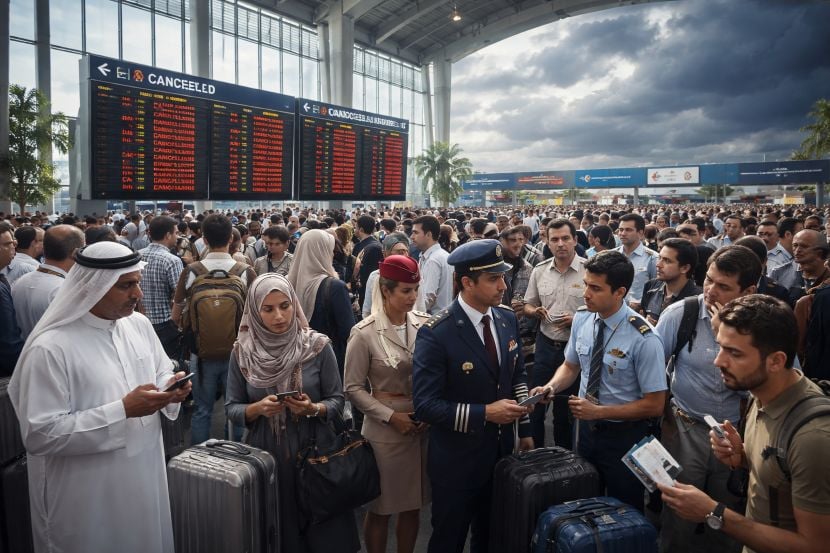
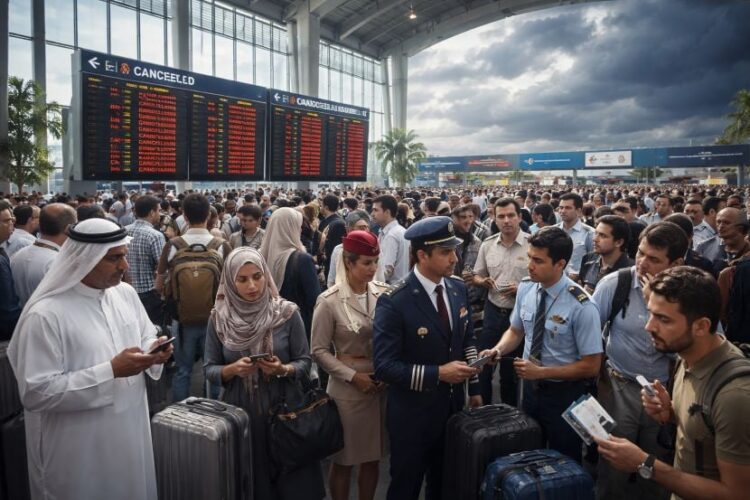
The article reports an unprecedented disruption in the Middle East travel sector, with Gulf Air, FlyDubai, and EgyptAir canceling over 60 flights due to operational challenges. This incident has led to 44 flight delays, stranding passengers across Bahrain, Saudi Arabia, Dubai, Cairo, and Kuwait. The disruption highlights significant challenges in the travel industry, particularly in managing large-scale cancellations and delays, and underscores the need for robust contingency planning and communication strategies among airlines and passengers.
Key Points:
- Gulf Air, FlyDubai, and EgyptAir canceled over 60 flights, causing 44 delays across multiple Middle Eastern destinations.
- The disruptions affected travelers in Bahrain, Saudi Arabia, Dubai, Cairo, and Kuwait, leading to significant inconvenience and stranded passengers.
- The incident underscores the vulnerability of the travel industry to operational challenges, emphasizing the need for improved contingency planning and communication.
Actionable Takeaways:
-
Enhanced Operational Resilience: Airlines must invest in more resilient operational frameworks to minimize the impact of unexpected cancellations and delays. This includes better scheduling, real-time monitoring of flight statuses, and improved communication with passengers to manage expectations and reduce disruption.
-
Strengthened Passenger Communication: Airlines should prioritize clear, timely communication with passengers regarding flight changes or cancellations. Implementing automated alerts and personalized updates can help manage passenger expectations and reduce frustration during disruptions.
-
Collaborative Problem-Solving: The travel industry should foster greater collaboration among airlines, airports, and regulatory bodies to develop standardized protocols for handling large-scale disruptions. This could involve shared resources for managing passenger rebooking, refunds, and alternative travel arrangements.
Contextual Understanding:
The article reflects current challenges in the travel industry, particularly in managing large-scale disruptions caused by operational issues. The recent cancellations and delays highlight the vulnerabilities in airline operations, especially in regions with high travel volumes. The incident also underscores the importance of technological advancements in travel tech, such as real-time flight tracking and automated communication systems, which can help mitigate the impact of such disruptions. Thought leaders in the industry emphasize the need for continuous innovation in travel management solutions to enhance resilience and improve the passenger experience.
Handling Different Article Types:
The article is a news blurb, providing factual information about a recent disruption in the travel industry. The summary, key points, and actionable takeaways are directly derived from the facts presented in the article, ensuring accuracy and relevance to the professional audience. No opinion pieces or feature articles are present in this context, so the analysis focuses solely on the factual information provided.
Read the Complete Article.



