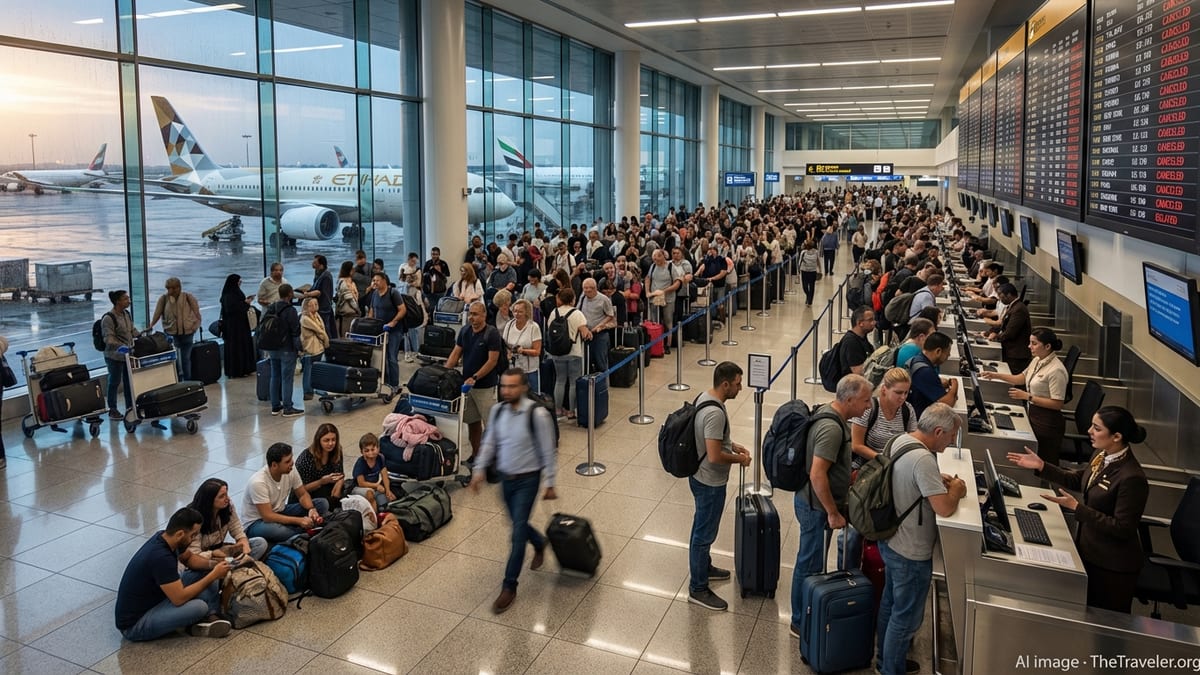
UAE flights cause delays and cancellations for major carriers
THE NEWS: Passengers traveling through UAE airports are facing delays and cancellations today as Emirates, Etihad, Air Arabia and flydubai...
Read moreDetailsEvery alert that matters — when it happens.

Comprehensive Summarization:
The article reports on a significant disruption in air travel across the Middle East, triggered by the suspension of 41 flights by several airlines including Air Arabia, FlyDubai, Gulf Air, EgyptAir, and Akasa Air. This suspension has led to widespread delays and operational challenges in the UAE, Bahrain, Kuwait, Saudi Arabia, and Jordan. The article underscores the ripple effects of these cancellations on travel plans and the broader travel industry, highlighting the interconnectedness of air travel networks in the region. It also touches on the broader context of travel and tourism trends, emphasizing the importance of resilience and adaptability in the face of such disruptions.
Key Points:
Actionable Takeaways:
Enhanced Travel Insurance and Flexibility: Given the unpredictability of air travel disruptions, travel companies should offer enhanced travel insurance packages that include flexibility options, such as free rescheduling or cancellation without penalties. This can mitigate the financial impact on travelers and improve customer satisfaction during turbulent times.
Investment in Digital Tools for Real-Time Updates: Travel companies should invest in advanced digital tools and platforms that provide real-time updates and notifications to travelers regarding flight status changes. This proactive communication can help manage traveler expectations and reduce anxiety associated with travel disruptions.
Collaborative Network Resilience: The article underscores the importance of interconnected air travel networks. Airlines and airports should collaborate more closely to develop contingency plans and share resources during disruptions. This could include shared ground transportation options, coordinated rebooking processes, and mutual support in managing customer inquiries and complaints.
Contextual Insights:
The suspension of flights by major airlines in the Middle East highlights the vulnerability of the travel industry to operational disruptions. This event is reflective of broader trends in the industry, where technological advancements and digital platforms play a crucial role in managing and mitigating such disruptions. The current emphasis on travel flexibility and customer-centric services is a direct response to the increasing unpredictability of travel conditions. Furthermore, the article aligns with the growing trend of integrating fintech solutions in travel, such as seamless payment options and digital currency usage, which can enhance the travel experience during disruptions. As the industry continues to evolve, the ability to adapt to unforeseen challenges will be key to maintaining resilience and ensuring customer satisfaction.
Read the Complete Article.
THE NEWS: Passengers traveling through UAE airports are facing delays and cancellations today as Emirates, Etihad, Air Arabia and flydubai...
Read moreDetails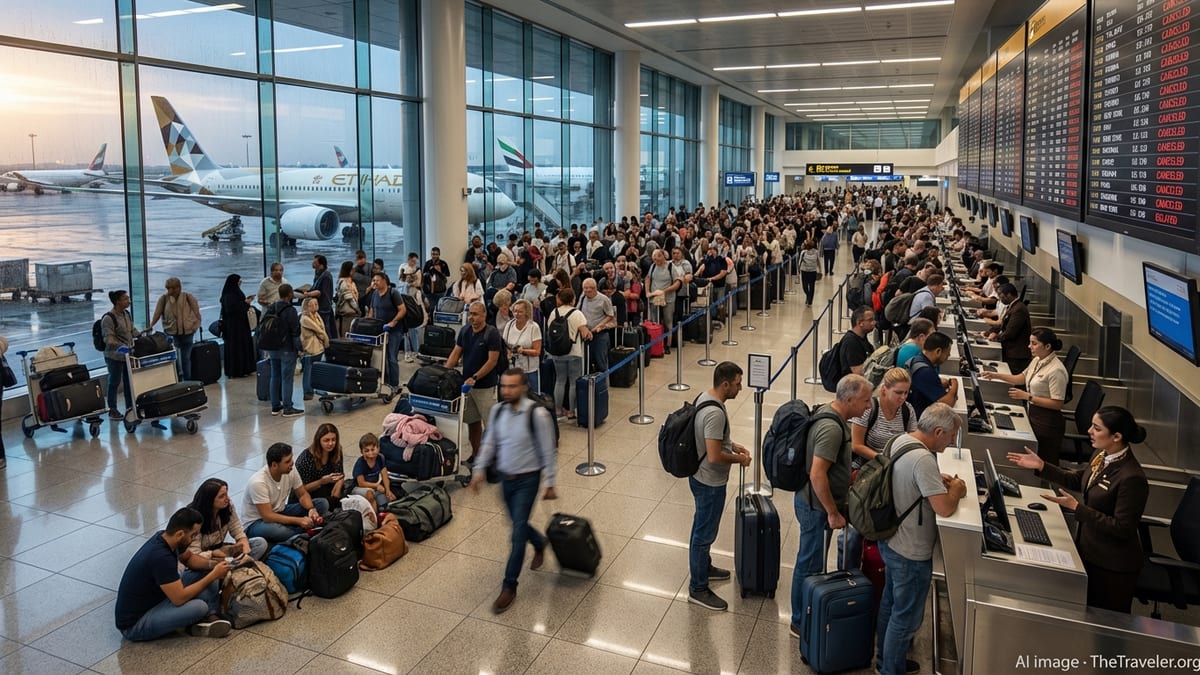
Experience the magic of the Nile aboard Kenzy Dahabeya, a luxury boutique sailing cruise that offers an unforgettable journey between...
Read moreDetails