












Comprehensive Summarization:
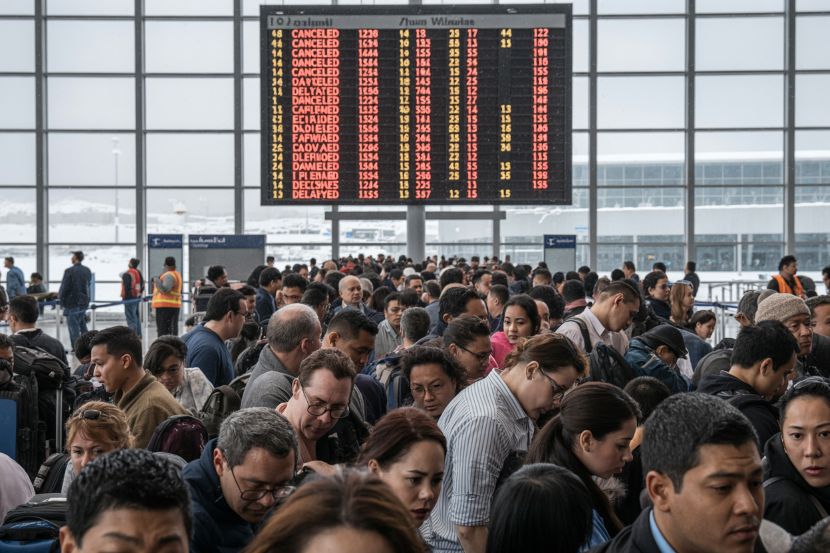
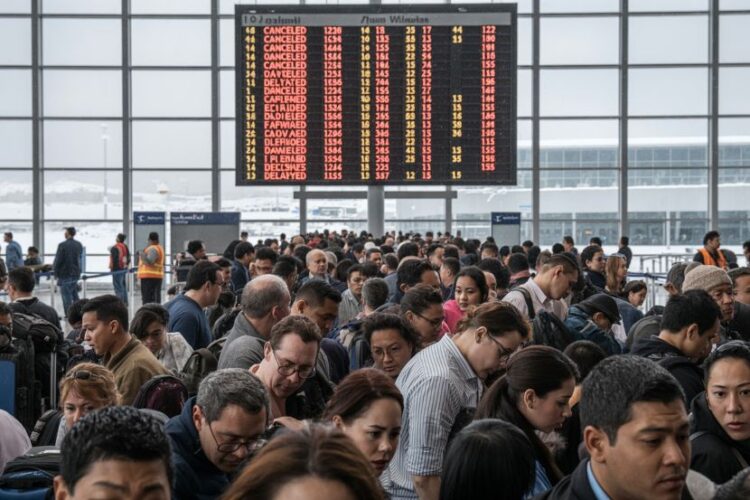
The article reports on significant disruptions to air travel at Hamad International Airport (DOH) in Doha, Qatar, and Dubai International Airport (DXB) in the United Arab Emirates (UAE) due to a severe winter storm. Both airports experienced the cancellation of 14 flights and delays of 557 flights, impacting numerous passengers. The disruption highlights the vulnerability of air travel to severe weather conditions and underscores the challenges faced by airlines and passengers in maintaining schedules during such events. The article serves as a reminder of the critical role of weather forecasting and airport operational readiness in mitigating the impact of severe weather on air travel.
Key Points:
- Severe Weather Impact: The winter storm caused substantial flight cancellations and delays at Hamad International Airport and Dubai International Airport, disrupting travel plans for thousands of passengers.
- Affected Airlines: The disruptions were particularly severe for Qatar Airways, Emirates, and Flydubai, among other airlines operating at the affected airports.
- Operational Challenges: The article emphasizes the operational challenges faced by airports and airlines in managing flight schedules during severe weather events, highlighting the need for robust contingency planning.
- Passenger Disruption: The storm led to significant inconvenience for passengers, including long waits and confusion, as they navigated the delays and cancellations.
Actionable Takeaways:
-
Enhanced Weather Monitoring Systems: Airports and airlines should invest in advanced weather monitoring and forecasting systems to better predict and prepare for severe weather events. This proactive approach can help minimize disruptions and improve passenger communication during such crises.
-
Flexible Cancellation Policies: Airlines should consider implementing more flexible cancellation policies to accommodate passengers affected by weather-related disruptions. This could include offering rebooking options with minimal fees or providing travel credits, thereby enhancing customer satisfaction and loyalty.
-
Investment in Airport Infrastructure: There is a need for airports to invest in infrastructure that can withstand severe weather conditions. This includes upgrading runway capabilities, improving drainage systems, and ensuring that critical facilities remain operational during adverse weather events.
Contextual Insights:
The disruption caused by the severe winter storm at Hamad International Airport and Dubai International Airport underscores the vulnerability of the global air travel industry to extreme weather events. As climate change continues to impact weather patterns, airports and airlines must adapt by investing in resilient infrastructure and advanced technology solutions. This includes developing more sophisticated weather forecasting tools and enhancing operational protocols to manage disruptions effectively. Furthermore, the article highlights the importance of passenger communication and support during such crises, suggesting that airlines should prioritize clear and timely updates to manage passenger expectations and minimize stress. The insights from this article align with current industry trends emphasizing the need for innovation in travel technology and operational resilience to ensure a seamless travel experience despite adverse weather conditions.
Read the Complete Article.



