













Comprehensive Summarization:
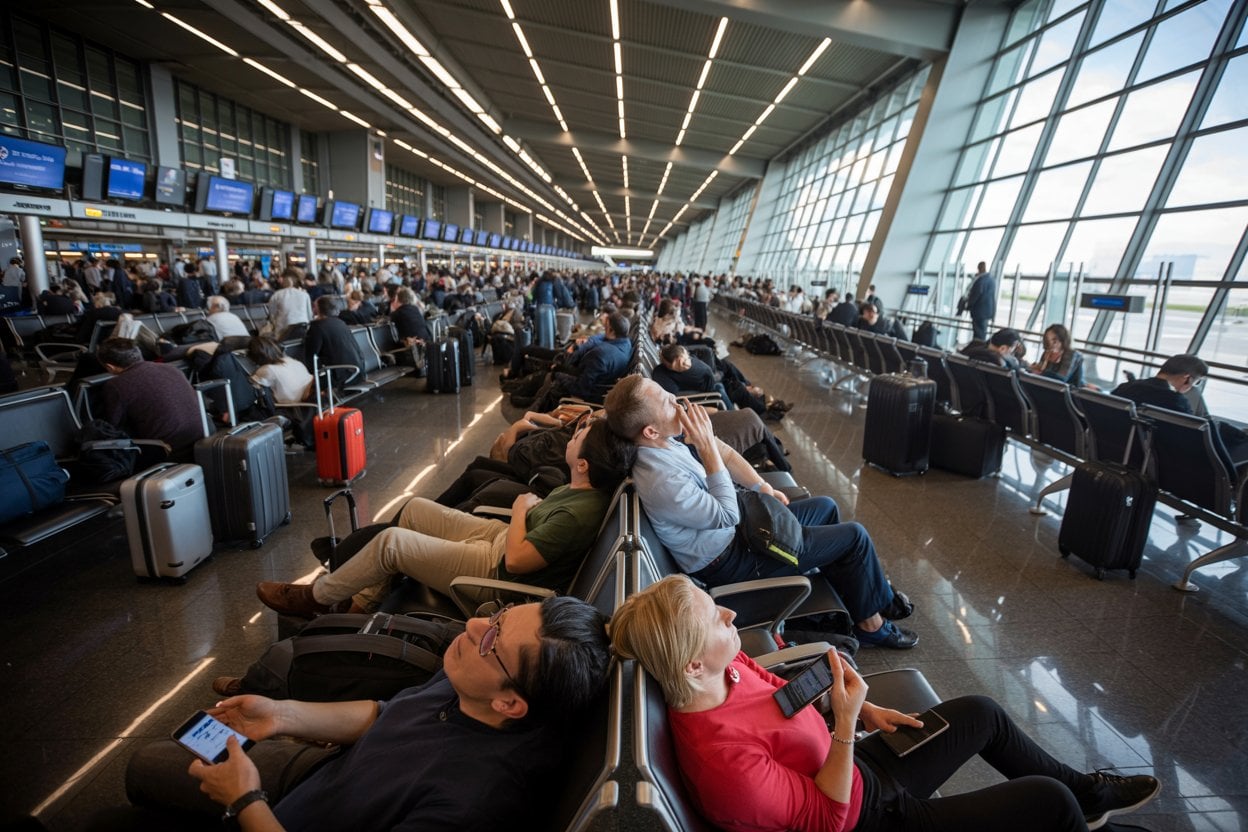
The article reports on significant travel disruptions in Thailand, caused by the cancellation of over 25 flights by major airlines including Qatar Airways, Gulf Air, Etihad Airways, Bangkok Airways, and Flydubai. These cancellations affect routes to destinations such as Doha, Abu Dhabi, Tel Aviv, and Dubai, impacting travelers in Bangkok, Phuket, and Krabi. The disruptions highlight the vulnerabilities in the travel industry, particularly in terms of flight reliability and the logistical challenges faced by travelers in affected regions. The article underscores the need for enhanced contingency planning and communication strategies within the travel sector to mitigate such disruptions.
Key Points:
- Over 25 flights have been canceled by Qatar Airways, Gulf Air, Etihad Airways, Bangkok Airways, and Flydubai, affecting routes to Doha, Abu Dhabi, Tel Aviv, Dubai, and other destinations.
- The disruptions primarily impact airports in Bangkok, Phuket, and Krabi, causing significant inconvenience for travelers.
- The article emphasizes the importance of robust contingency planning and effective communication in the travel industry to manage such disruptions.
Actionable Takeaways:
-
Enhanced Contingency Planning: Travel companies should develop and implement more comprehensive contingency plans to swiftly manage and communicate flight cancellations. This includes real-time updates to passengers and alternative travel arrangements to minimize disruption.
-
Improved Communication Strategies: Airlines and travel agencies must enhance their communication strategies to promptly inform passengers about cancellations and provide clear guidance on alternative travel options. This can help in maintaining passenger trust and satisfaction.
-
Investment in Technology: The travel industry should invest in advanced technology solutions for real-time tracking and management of flight statuses. This can include AI-driven systems that predict and mitigate potential disruptions before they occur.
Contextual Insights:
The disruptions in Thailand reflect broader challenges faced by the global travel industry, including the impact of flight cancellations on travel planning and passenger experience. Recent trends indicate a growing emphasis on digital transformation within the sector, with technology playing a crucial role in enhancing operational efficiency and customer service. Innovations such as AI and machine learning are being leveraged to improve flight tracking and passenger communication, offering a forward-looking perspective on how the industry can adapt to and recover from such disruptions. The article also highlights the importance of strategic partnerships and collaborations within the industry to share resources and best practices, further strengthening resilience against unforeseen challenges.
Read the Complete Article.



