












Article Summary:
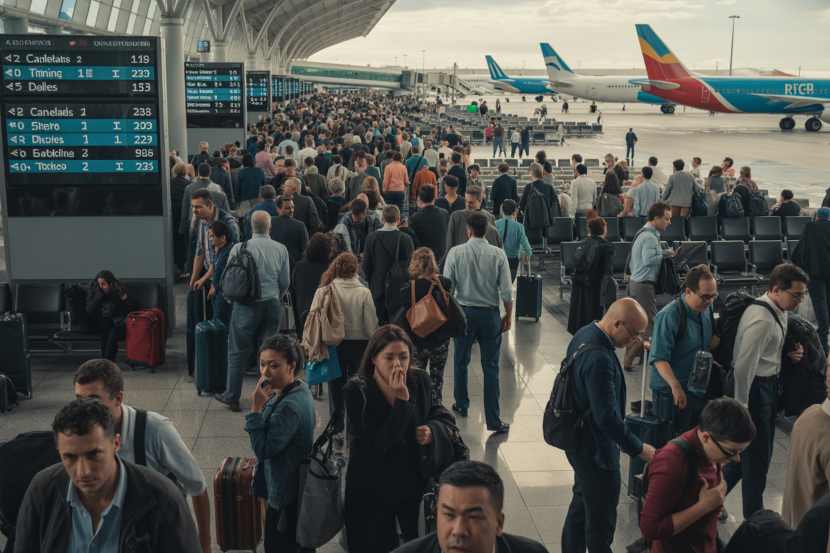
On January 12, 2026, thousands of travelers across Asia faced significant disruptions due to flight cancellations and delays involving major airlines such as Pegasus, FlyDubai, Emirates, KLM, and West Air. The disruptions affected airports in Istanbul, Tehran, Chongqing, Komatsu, Mumbai, and more, with a total of 125 flights canceled and over 600 delayed. This article provides a detailed account of the impact on travelers and the airlines involved.
Key Points:
- Flight Disruptions: A total of 125 flights were canceled, and over 600 were delayed across Asia, impacting major airports in cities like Istanbul, Tehran, Chongqing, Komatsu, and Mumbai.
- Airlines Affected: Major airlines including Pegasus, FlyDubai, Emirates, KLM, and West Air were among those experiencing widespread disruptions.
- Geographical Impact: The disruptions were widespread, affecting airports in Istanbul, Tehran, Chongqing, Komatsu, and Mumbai, among others.
- Publication Date: The article was published on January 12, 2026, indicating recent developments in the travel industry.
Actionable Takeaways:
- Enhanced Communication Strategies: Airlines should improve communication with travelers regarding flight changes and delays to mitigate the impact on passengers. This could involve real-time updates through mobile apps and email notifications.
- Focus on Customer Service: The incident highlights the importance of robust customer service protocols. Airlines should invest in training staff to handle disruptions efficiently and empathetically, ensuring passenger satisfaction during crises.
- Invest in Technology: The article underscores the need for airlines to invest in advanced flight tracking and management systems. These technologies can help airlines better predict and manage disruptions, reducing their frequency and impact.
Contextual Insights:
The disruptions in Asian air travel, particularly involving major carriers like Pegasus, FlyDubai, Emirates, KLM, and West Air, highlight the vulnerabilities within the global aviation network. This event is a stark reminder of the interconnected nature of modern air travel, where a disruption in one region can have ripple effects across the continent. The article reflects broader industry trends where technological advancements and customer-centric strategies are becoming increasingly crucial. As the travel industry continues to evolve, innovations in travel tech, such as AI-driven predictive analytics and enhanced customer communication platforms, will be essential for airlines to maintain operational efficiency and customer trust. The incident also signals a potential opportunity for startups in the travel sector to develop solutions that address the challenges posed by such disruptions, such as real-time travel assistance apps or improved booking and cancellation management systems.
Read the Complete Article.



