












Article Summary:
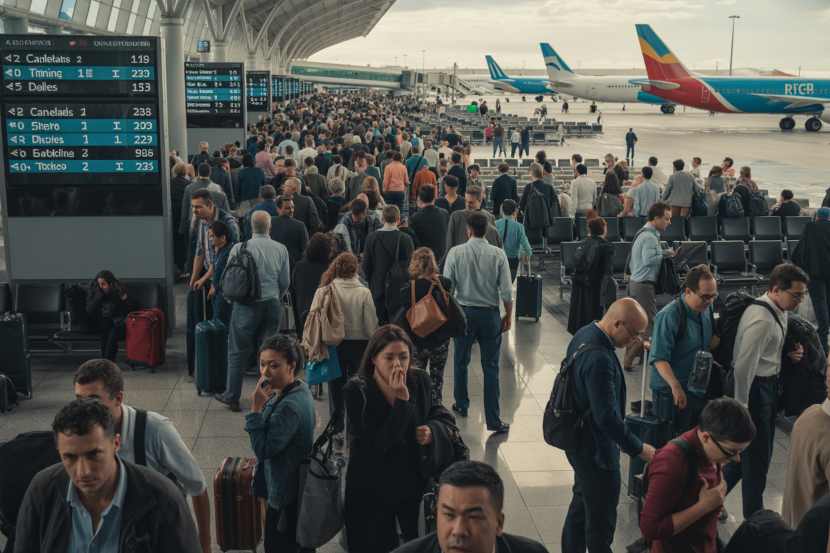
On January 12, 2026, thousands of travelers across Asia faced significant disruptions due to flight cancellations and delays involving major airlines such as Pegasus, FlyDubai, Emirates, KLM, and West Air. The disruptions affected airports in Istanbul, Tehran, Chongqing, Komatsu, Mumbai, and other major hubs, with a total of 125 flights canceled and over 600 delayed. This article provides a factual account of the airline disruptions without offering opinion or analysis.
Key Points:
- Flight Disruptions: A total of 125 flights were canceled and over 600 delayed across Asia, impacting major airports in Istanbul, Tehran, Chongqing, Komatsu, Mumbai, and other key locations.
- Affected Airlines: Major airlines including Pegasus, FlyDubai, Emirates, KLM, and West Air were among those experiencing widespread disruptions.
- Geographical Impact: The disruptions affected airports in Istanbul, Tehran, Chongqing, Komatsu, Mumbai, and other major Asian hubs, indicating a widespread impact on travel across the region.
Actionable Takeaways:
- Enhanced Travel Insurance: Given the widespread flight disruptions, travel companies should consider offering enhanced travel insurance packages that cover cancellations and delays. This can provide peace of mind to travelers and mitigate financial losses for airlines.
- Real-Time Communication Systems: Airlines should invest in advanced real-time communication systems to keep passengers informed about flight status changes. This can help manage traveler expectations and reduce anxiety associated with disruptions.
- Collaborative Crisis Management: Airlines and airports should collaborate on crisis management protocols to better handle large-scale disruptions. Sharing real-time data and coordinating responses can minimize the impact on travelers and improve operational efficiency.
Contextual Insights:
The article highlights a significant disruption in air travel across Asia, affecting major hubs and airlines. This event underscores the vulnerabilities in the global travel infrastructure and the need for robust contingency plans. In the context of current industry trends, the incident emphasizes the importance of technological advancements in travel management, such as real-time communication systems and predictive analytics for flight scheduling. These innovations can help airlines mitigate the impact of disruptions and enhance the overall travel experience. Additionally, the event may prompt airlines to invest in more resilient infrastructure and operational strategies, potentially driving innovation in travel tech and fintech solutions aimed at improving travel reliability and customer satisfaction.
Read the Complete Article.



