













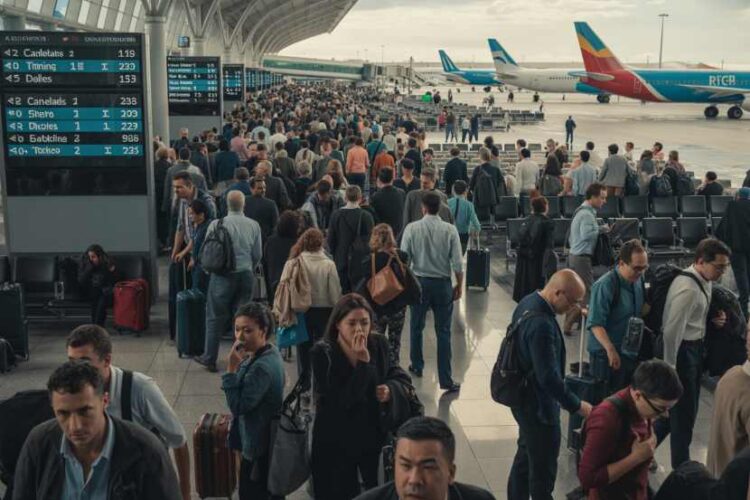
Article Summary:
On January 12, 2026, thousands of travelers across Asia faced significant disruptions due to flight cancellations and delays involving major airlines such as Pegasus, FlyDubai, Emirates, KLM, and West Air. The disruptions affected airports in Istanbul, Tehran, Chongqing, Komatsu, Mumbai, and more, with a total of 125 flights canceled and over 600 delayed. This article provides a detailed account of the impact on travelers and the airlines involved.
Key Points:
- Flight Disruptions: A total of 125 flights were canceled, and over 600 were delayed across Asia, impacting major airports including Istanbul, Tehran, Chongqing, Komatsu, and Mumbai.
- Airlines Affected: Major airlines such as Pegasus, FlyDubai, Emirates, KLM, and West Air were among those experiencing widespread disruptions.
- Geographical Impact: The disruptions affected airports in Istanbul, Tehran, Chongqing, Komatsu, and Mumbai, highlighting the widespread nature of the issue.
- Publication Date: The article was published on January 12, 2026, indicating recent developments in the travel industry.
Actionable Takeaways:
- Enhanced Communication Strategies: Airlines should improve communication with travelers regarding flight changes and delays to mitigate the impact on passengers. This could involve real-time updates through mobile apps and email notifications, ensuring transparency and trust.
- Investment in Technology: The article underscores the need for airlines to invest in advanced flight management and passenger notification systems. Such technologies can help airlines preemptively manage disruptions and reduce delays, enhancing operational efficiency and customer satisfaction.
- Collaborative Solutions: Airlines could collaborate with airport authorities and travel tech companies to develop integrated solutions for managing disruptions. This could include shared databases for real-time flight status updates and coordinated passenger support services.
Contextual Insights:
The disruptions in Asian air travel highlight the vulnerabilities in the current travel infrastructure, particularly in managing large-scale operational issues. This incident underscores the importance of robust communication and technological solutions in the travel industry. As the travel sector continues to evolve, integrating advanced technologies and fostering collaborative partnerships will be crucial for enhancing resilience against such disruptions. Thought leaders emphasize the need for continuous innovation in travel tech to improve passenger experience and operational efficiency, especially in regions prone to such challenges.
Read the Complete Article.



