












Comprehensive Summarization:
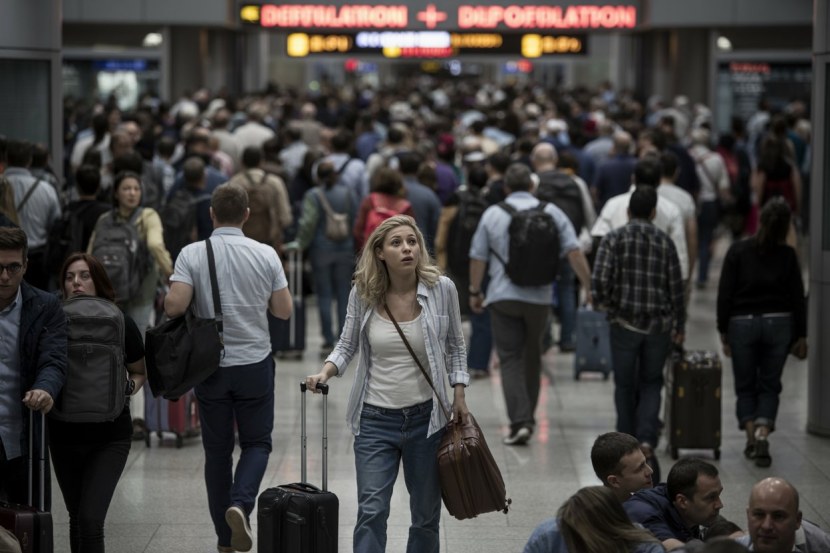
The article reports on a significant disruption in air travel across major airports in Turkey, the UAE, and Saudi Arabia, affecting hundreds of passengers. Turkish Airlines, Emirates, Saudia, FlyDubai, and Flynas among others canceled 21 flights and delayed 1,103 flights, disrupting travel in cities including Dubai, Istanbul, Jeddah, and Riyadh. The affected airports include Istanbul Airport (IST), King Abdulaziz International Airport (JED), Dubai International Airport (DXB), and King Khalid International Airport (RUH). The disruption highlights ongoing challenges in the travel industry, particularly in managing flight schedules and passenger logistics during unforeseen circumstances.
Key Points:
- Flight Cancellations and Delays: A total of 21 flights were canceled and 1,103 flights were delayed across Istanbul, Jeddah, Dubai, and Riyadh airports, impacting hundreds of passengers.
- Affected Airlines: Major airlines including Turkish Airlines, Emirates, Saudia, FlyDubai, and Flynas were among those affected by the cancellations and delays.
- Geographical Impact: The disruption affected major hubs such as Istanbul Airport (IST), King Abdulaziz International Airport (JED), Dubai International Airport (DXB), and King Khalid International Airport (RUH).
- Publication Date: The article was published on January 25, 2026, indicating recent developments in the travel industry.
Actionable Takeaways:
-
Enhanced Communication Protocols: Airlines should improve communication with passengers regarding flight changes and cancellations to minimize disruption and maintain passenger trust. This is crucial as effective communication can significantly impact passenger satisfaction and loyalty.
-
Investment in Resilient IT Systems: The article underscores the need for robust IT systems to manage flight schedules and passenger logistics efficiently. Airlines should invest in advanced technologies to prevent similar disruptions in the future, ensuring smoother operations and enhanced customer experience.
-
Focus on Passenger Safety and Comfort: Given the significant impact on passenger travel, airlines should prioritize safety and comfort measures, such as providing alternative transportation options and accommodations for stranded passengers. This not only addresses immediate concerns but also builds long-term customer loyalty.
Contextual Insights:
The disruption in air travel across major airports in the Middle East highlights the vulnerabilities in the current travel infrastructure, particularly in managing large-scale flight cancellations and delays. This situation is reflective of broader industry challenges, including the need for enhanced communication strategies, resilient IT systems, and a strong focus on passenger safety and comfort. As the travel industry continues to evolve, integrating advanced technologies and improving operational resilience will be key to mitigating such disruptions. Thought leaders emphasize the importance of real-time data analytics and flexible operational strategies to adapt swiftly to unforeseen challenges, ensuring a seamless travel experience for passengers.
Read the Complete Article.



