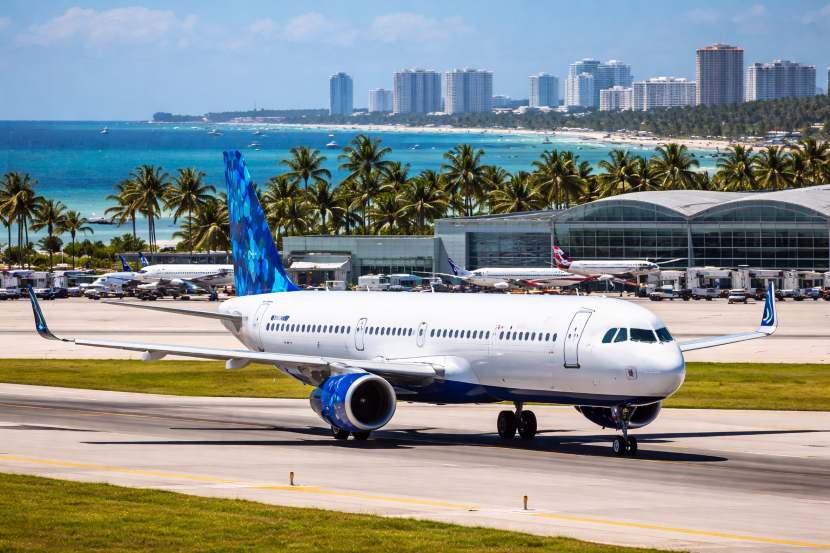
South Africa’s FlySafair meets ATNS to settle ongoing tiff
THE NEWS: FlySafair and South Africa's Air Traffic and Navigation Services (ATNS) met on July 24 to discuss a public dispute...
Read moreDetailsEvery alert that matters — when it happens.

Striking pilots' demands 'not economically viable'
Comprehensive Summarization:
FlySafair, an airline company, has announced that it will pass on the recent spike in fuel costs to consumers through temporary fuel surcharges, effective from Wednesday until May. This decision is directly attributed to the ongoing conflict in the Middle East, specifically the shutdown of a key oil shipping transit through the Strait of Hormuz. The airline emphasizes that the impact on jet fuel has been immediate, with fuel prices spiking by 70 percent in just one week. The article also references the latest travel trends and insights from thought leaders, highlighting the current challenges faced by the travel industry due to geopolitical tensions and fuel price volatility.
Key Points:
Actionable Takeaways:
Fuel Cost Management: Airlines must develop strategies to manage increased fuel costs, such as implementing surcharges or adjusting pricing models. This is crucial for maintaining profitability and ensuring sustainable operations in the face of volatile fuel prices.
Geopolitical Risk Assessment: Companies in the travel industry should closely monitor geopolitical developments, particularly in regions critical to fuel supply chains. Understanding these risks can help in forecasting potential cost increases and planning accordingly.
Innovation in Fuel Alternatives: The article highlights the immediate impact of fuel price spikes. This underscores the importance of investing in and developing alternative fuels or technologies that can reduce dependency on volatile oil prices, thereby mitigating future risks.
Contextual Insights:
The current spike in fuel prices, driven by geopolitical tensions and supply chain disruptions, reflects broader trends in the travel industry. The recent conflict in the Middle East has caused significant disruptions to oil shipping, leading to immediate and substantial increases in fuel costs. This situation is emblematic of the broader challenges faced by the travel sector, where external geopolitical events can have immediate and profound financial impacts.
In response, the industry is witnessing a growing emphasis on innovation, particularly in the development of sustainable and cost-effective fuel alternatives. Startups and established companies alike are exploring biofuels, electric aircraft, and other innovative solutions to reduce reliance on traditional fossil fuels. This trend is likely to gain momentum as the industry seeks to enhance resilience against future fuel price shocks and reduce its carbon footprint.
Moreover, the surge in fuel costs highlights the need for greater transparency and communication from airlines regarding pricing structures. Consumers are increasingly aware of the factors influencing airfare, and clear communication can help manage expectations and maintain trust. Additionally, regulatory bodies may need to consider measures to stabilize fuel prices or provide support to airlines during periods of extreme volatility, ensuring the industry remains competitive and accessible to travelers.
In conclusion, the article underscores the interconnected nature of geopolitical events, fuel prices, and the travel industry’s operational challenges. By focusing on strategic cost management, investing in innovation, and fostering transparent communication, companies can navigate these challenges more effectively and position themselves for long-term success in a dynamic and unpredictable market.
Read the Complete Article.
THE NEWS: FlySafair and South Africa's Air Traffic and Navigation Services (ATNS) met on July 24 to discuss a public dispute...
Read moreDetails

Experience the magic of the Nile aboard Kenzy Dahabeya, a luxury boutique sailing cruise that offers an unforgettable journey between...
Read moreDetails