South Africa’s FlySafair meets ATNS to settle ongoing tiff
THE NEWS: FlySafair and South Africa's Air Traffic and Navigation Services (ATNS) met on July 24 to discuss a public dispute...
Read moreDetailsEvery alert that matters — when it happens.

Comprehensive Summarization:
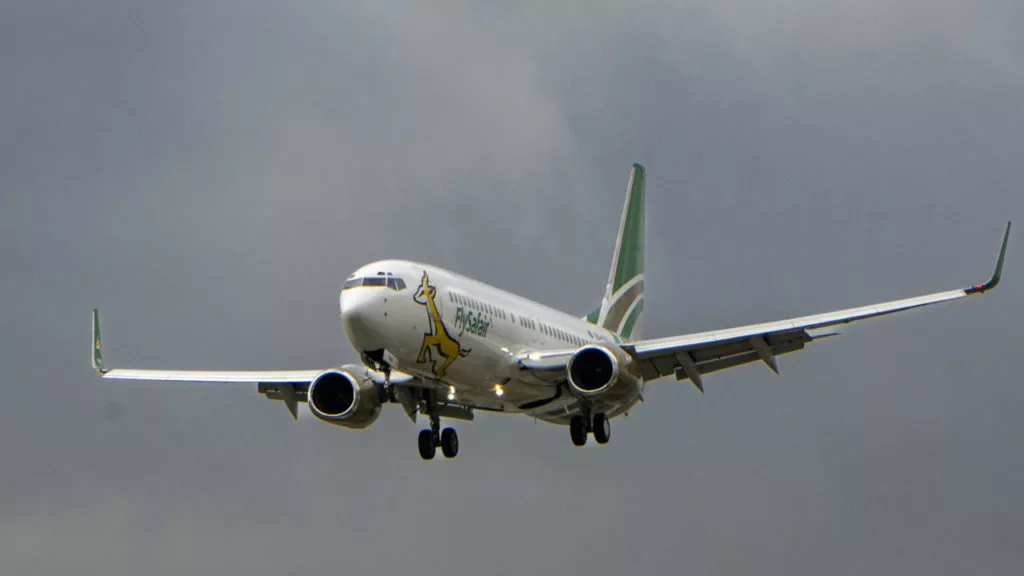
FlySafair, South Africa’s leading low-cost airline, has announced the introduction of a temporary fuel surcharge due to the recent escalation in global jet fuel prices, which are attributed to unrest in the Middle East. The airline aims to maintain transparency by itemizing the surcharge separately rather than blanket raising fares. Kirby Gordon, FlySafair’s Chief Marketing Officer, stated that the surcharge will be visible to customers and adjustable as fuel prices stabilize. This move reflects the airline’s response to external market pressures and its commitment to maintaining clear communication with its customers regarding fare adjustments.
Key Points:
Actionable Takeaways:
Transparent Communication with Customers: FlySafair’s decision to itemize the fuel surcharge demonstrates a commitment to transparency in fare adjustments. This approach can help build trust with customers by clearly communicating how fare changes are influenced by external factors such as fuel prices. For travel companies, adopting a similar strategy could enhance customer satisfaction and loyalty during periods of market volatility.
Adaptability in Pricing Strategies: The airline’s ability to adjust the surcharge as fuel prices stabilize indicates a flexible pricing strategy. This adaptability is crucial in the travel industry, where external factors like fuel prices can significantly impact costs. Companies can learn from FlySafair’s approach to implement dynamic pricing models that respond to real-time market conditions, potentially improving profitability and competitiveness.
Contextual Insights:
The introduction of a temporary fuel surcharge by FlySafair is a direct response to the broader economic pressures faced by the travel industry due to geopolitical events and fluctuating fuel prices. This move is particularly relevant in the current context of global unrest and its impact on fuel costs. As the travel industry continues to navigate uncertainties, the ability to communicate transparently with customers about fare adjustments becomes increasingly important. Furthermore, the emphasis on adjusting the surcharge as fuel prices stabilize reflects a forward-looking strategy that aims to mitigate long-term impacts on pricing and customer perception. This approach aligns with current industry trends emphasizing customer-centric communication and adaptability in the face of external market pressures. For travel startups and fintech innovations, this case study underscores the importance of integrating transparent pricing models and dynamic adjustment mechanisms into their service offerings to maintain customer trust and adapt to volatile market conditions.
Read the Complete Article.
THE NEWS: FlySafair and South Africa's Air Traffic and Navigation Services (ATNS) met on July 24 to discuss a public dispute...
Read moreDetails
Experience the magic of the Nile aboard Kenzy Dahabeya, a luxury boutique sailing cruise that offers an unforgettable journey between...
Read moreDetails