












markdown
Comprehensive Summarization:
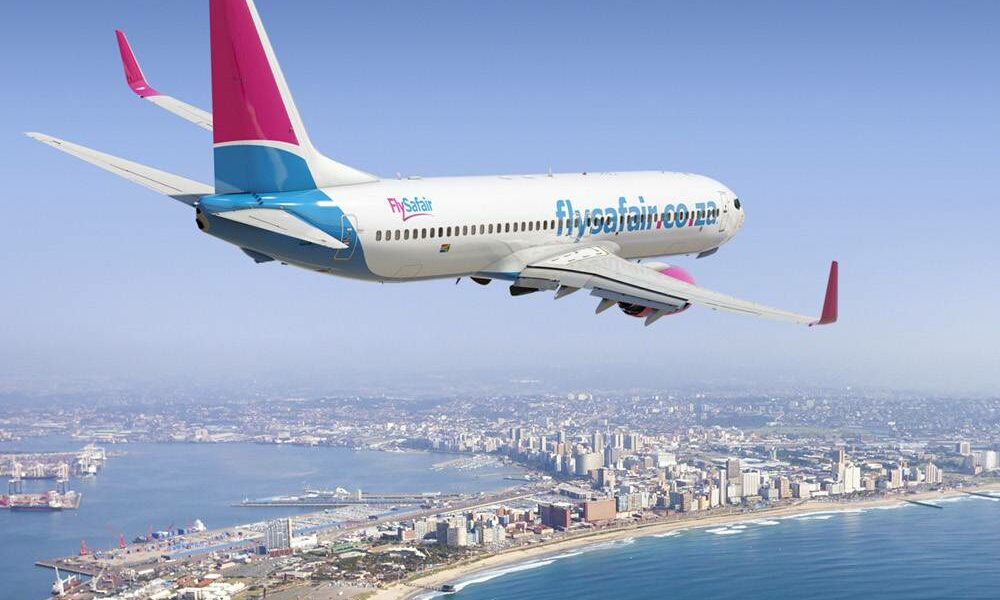
The article discusses a recent development in the South African travel market, specifically concerning FlySafair, a low-cost airline. FlySafair has reduced its fuel surcharge for the second week in a row, attributing this move to a stabilization in jet fuel prices after months of volatility. While this reduction is seen as positive news for travelers, the article highlights that despite the dip in fuel prices, they remain significantly higher than pre-turbulence levels. This context is part of a broader discussion on travel trends and insights, incorporating perspectives from industry thought leaders to provide a comprehensive view of the current state of the travel industry.
Key Points:
- FlySafair has reduced its fuel surcharge for the second consecutive week, indicating a stabilization in jet fuel prices.
- The reduction is attributed to jet fuel prices beginning to settle after months of turbulence.
- Despite the reduction, jet fuel prices are still notably higher than pre-turbulence levels, suggesting ongoing challenges in the travel sector.
- The article integrates broader travel trends and insights from industry thought leaders to provide a comprehensive analysis.
Actionable Takeaways:
- Fuel Price Stabilization Impact: The reduction in fuel surcharge by FlySafair may offer temporary relief to South African travelers, potentially increasing demand for domestic flights. This could be a strategic move for the airline to attract more passengers in a competitive market.
- Market Volatility and Pricing Strategy: The fact that jet fuel prices remain high despite the reduction in surcharges highlights the ongoing volatility in the travel market. Airlines may need to adopt more flexible pricing strategies to navigate these fluctuations and maintain profitability.
- Importance of Monitoring Fuel Costs: For travel startups and fintech companies, the article underscores the critical role of fuel costs in the overall operational expenses of airlines. Innovations in fuel-efficient technologies or alternative energy sources could become pivotal in reducing these costs and improving the sustainability of travel services.
Contextual Insights:
The reduction in FlySafair’s fuel surcharge is a microcosm of the broader challenges and opportunities within the travel industry. The stabilization in jet fuel prices, while positive, is overshadowed by the fact that these prices are still elevated compared to pre-turbulence levels. This situation reflects the broader market conditions where airlines are constantly navigating volatile fuel costs. For travel startups and fintech innovators, this context presents both challenges and opportunities. On one hand, the high fuel costs necessitate careful financial planning and cost management. On the other hand, the ongoing volatility could drive innovation in areas such as fuel-efficient aircraft, alternative energy sources, and dynamic pricing models. Thought leaders emphasize the need for the industry to adapt quickly to these changes, leveraging technology and data analytics to optimize operations and enhance customer value in a competitive landscape.
Read the Complete Article.



