South Africa’s FlySafair meets ATNS to settle ongoing tiff
THE NEWS: FlySafair and South Africa's Air Traffic and Navigation Services (ATNS) met on July 24 to discuss a public dispute...
Read moreDetails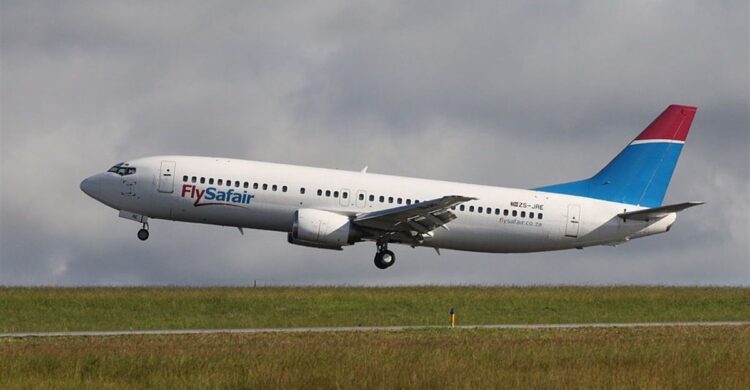
FlySafair cuts fuel surcharge for second week as prices ease
Comprehensive Summarization:
FlySafair, a travel company, has reduced its temporary fuel surcharge for the second consecutive week due to a slight decline in Jet A1 fuel prices following a recent spike linked to geopolitical tensions in the Middle East. Despite this reduction, the fuel prices remain more than double pre-conflict levels, and the surcharge is set to continue until 21 August 2026. The surcharge is reviewed every seven days in line with fuel price fluctuations. This article provides a snapshot of the current travel industry dynamics, focusing on fuel surcharge adjustments and their implications for the sector.
Key Points:
Actionable Takeaways:
Fuel Price Volatility Impact: The reduction in the fuel surcharge, despite fuel prices remaining high, highlights the volatility in the fuel market. Travel companies need to closely monitor fuel price trends to adjust their pricing strategies effectively. This volatility can impact the overall cost of travel, influencing consumer behavior and travel planning.
Review Cycle for Surcharge: The weekly review of the fuel surcharge demonstrates a proactive approach by FlySafair to align costs with market conditions. Travel companies can learn from this strategy, emphasizing the importance of flexibility in pricing models to mitigate risks associated with fuel price fluctuations. This approach can help maintain profitability and customer satisfaction in a dynamic market.
Contextual Understanding:
The article reflects the current state of the travel industry, where fuel price fluctuations significantly impact operational costs for airlines. The geopolitical tensions in the Middle East have contributed to recent fuel price spikes, underscoring the sensitivity of the travel sector to global political events. This context is crucial for understanding the broader implications of fuel surcharge adjustments. Furthermore, the ongoing high fuel prices, despite the surcharge reduction, indicate a need for continuous monitoring and strategic adjustments in the travel industry. Insights from travel tech experts suggest that innovations in fuel-efficient technologies and alternative energy sources could mitigate future price volatility, offering a forward-looking perspective on industry resilience.
Handling Different Article Types:
The article is a news brief, providing factual information on a specific development within the travel industry. The structured output format ensures that the key points and actionable takeaways are clearly delineated, making it easy for readers to digest and apply the information. For opinion pieces or feature articles, the approach would involve integrating expert analyses and forward-looking perspectives, aligning with the article’s context and the latest travel trends and insights from thought leaders.
Read the Complete Article.
THE NEWS: FlySafair and South Africa's Air Traffic and Navigation Services (ATNS) met on July 24 to discuss a public dispute...
Read moreDetails
Experience the magic of the Nile aboard Kenzy Dahabeya, a luxury boutique sailing cruise that offers an unforgettable journey between...
Read moreDetails