












Article Summary:
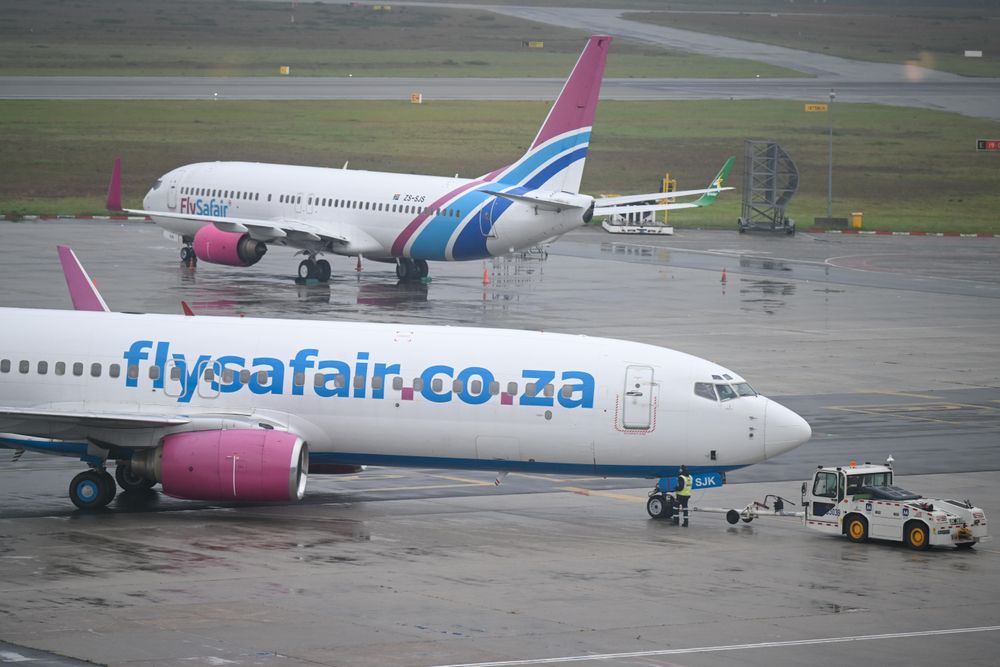
Negotiations between FlySafair and Solidarity, the union representing its striking pilots, are set to resume on Wednesday afternoon. The contentious issue at the forefront of these discussions is the airline’s controversial shift scheduling system, which has been a major point of contention. Despite FlySafair’s recent media statement assuring pilots of guaranteed rest weekends under the new schedule, there appears to be a level of miscommunication between the parties. This summary captures the main theme of the ongoing negotiations, the central issue of the shift scheduling system, and the overall context of the dispute.
Key Points:
- Negotiations between FlySafair and Solidarity are scheduled to resume on Wednesday afternoon.
- The controversial shift scheduling system remains the primary agenda item in these negotiations.
- FlySafair claims pilots are guaranteed rest weekends under the new scheduling system, despite reported miscommunication between the parties.
Actionable Takeaways:
- Negotiation Resumption: The scheduled resumption of negotiations on Wednesday afternoon is a critical development for both FlySafair and the striking pilots. This provides an opportunity for both parties to clarify their positions and potentially reach a resolution regarding the shift scheduling system. The outcome of these negotiations could significantly impact the airline’s operations and the pilots’ working conditions.
- Miscommunication Concerns: The reported miscommunication between FlySafair and the pilots’ union highlights a broader issue within the airline industry regarding transparency and clear communication during labor disputes. This takeaway underscores the importance of effective communication channels in resolving conflicts and ensuring that all parties have a mutual understanding of the terms and conditions being negotiated.
Contextual Insights:
The ongoing negotiations between FlySafair and the pilots’ union reflect broader trends in the travel industry, particularly concerning labor relations and operational efficiency. The controversy surrounding the shift scheduling system is indicative of the industry’s ongoing struggle to balance operational demands with employee welfare. In recent years, there has been a growing emphasis on implementing innovative scheduling systems that can enhance operational efficiency while ensuring fair working conditions for employees. FlySafair’s approach, while controversial, may reflect a broader industry trend towards adopting advanced scheduling technologies to manage pilot workloads more effectively. This development could have significant implications for travel startups and fintech innovations, as airlines seek to leverage technology to streamline operations and improve employee satisfaction. The resolution of this dispute could set a precedent for how airlines handle similar labor issues in the future, potentially influencing industry-wide practices and standards.
Read the Complete Article.



