












Comprehensive Summarization:
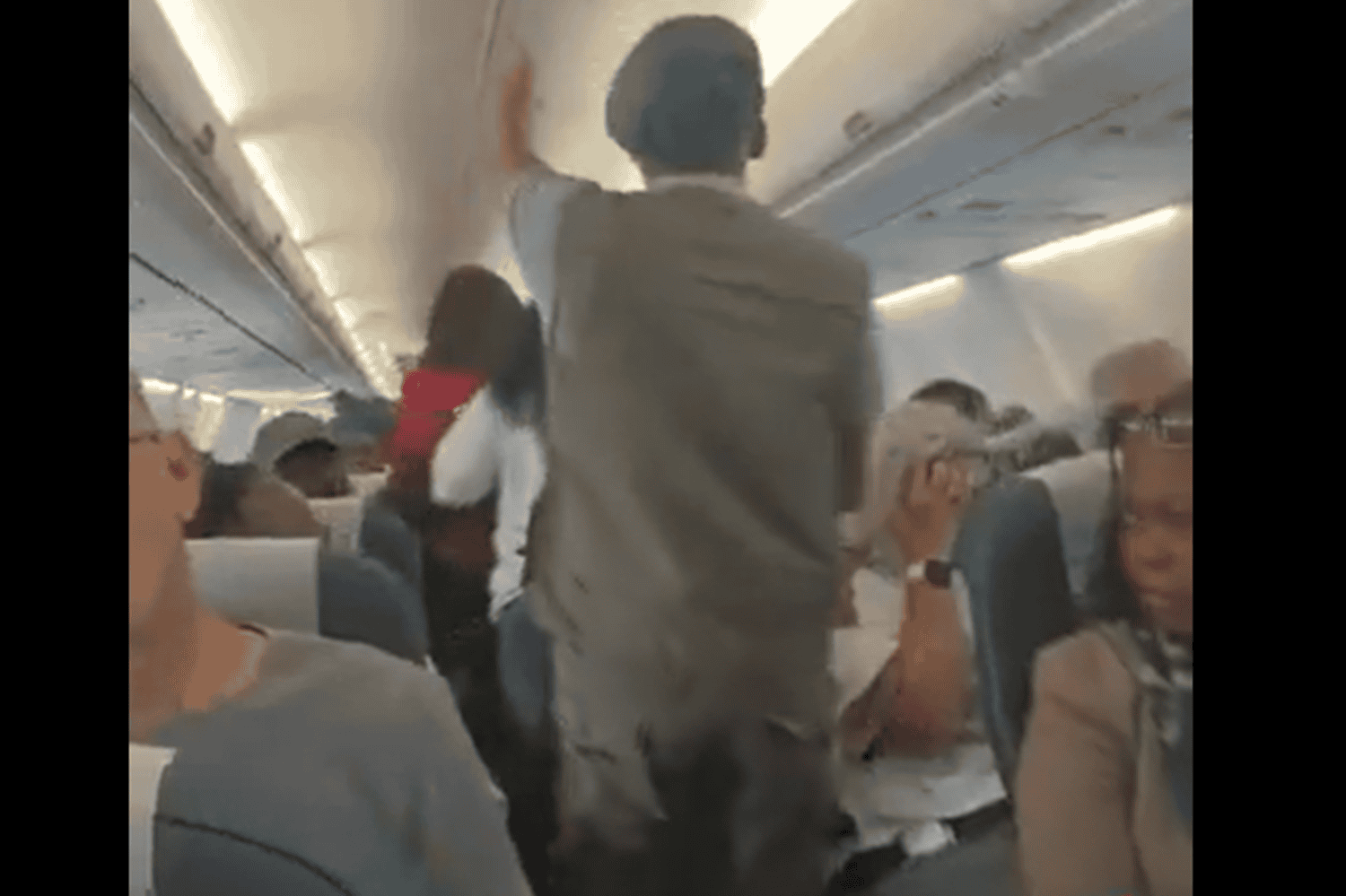
The article details a video of EFF (Economic Freedom Fighters) supporters chanting and singing on a FlySafair flight to East London, which has sparked debate and an investigation by the airline. Passengers are seen sitting in their seats while several supporters, dressed in red and berets, march down the aisle, clapping, dancing, and singing. The video has generated mixed reactions, with some applauding the show of support and others deeming it rowdy and disrespectful to fellow passengers. The incident highlights the ongoing tension between personal expression and public decorum in the travel industry, especially in the context of recent travel trends and passenger expectations.
Key Points:
- A video of EFF supporters chanting and singing on a FlySafair flight to East London has sparked debate and an investigation by the airline.
- Passengers are seen sitting in their seats while supporters, clad in red and berets, march down the aisle, clapping, dancing, and singing.
- The incident has generated mixed reactions, with some applauding the show of support and others considering it rowdy and disrespectful to fellow passengers.
Actionable Takeaways:
-
Enhanced Passenger Communication: Airlines should develop clearer communication strategies to inform passengers about acceptable behavior during flights, especially when passengers are dressed in attire that may be perceived as disruptive. This could include pre-flight announcements or digital notifications on in-flight entertainment systems.
-
Cultural Sensitivity Training for Staff: Flight attendants should receive training on cultural sensitivity and passenger etiquette to handle situations where passengers’ expressions of support or dissent may be perceived differently across diverse demographics. This training could help mitigate conflicts and ensure a more harmonious in-flight experience.
-
Incorporation of Passenger Feedback Mechanisms: Airlines should implement robust feedback mechanisms to gather real-time input from passengers regarding in-flight experiences. This could involve digital surveys or feedback buttons on in-flight entertainment systems, allowing airlines to quickly address concerns and adjust their policies or services accordingly.
Contextual Insights:
The incident underscores the evolving dynamics of passenger expectations and airline responsibilities in the modern travel landscape. With increasing emphasis on inclusivity and cultural sensitivity, airlines are faced with the challenge of balancing personal expression with public decorum. This situation reflects broader trends in the travel industry, where passenger experience and comfort are paramount. Recent trends indicate a growing demand for personalized and respectful travel experiences, with passengers increasingly valuing airlines that prioritize inclusivity and cultural awareness. Thought leaders in the industry emphasize the importance of proactive communication and cultural competence in shaping positive passenger perceptions and enhancing brand loyalty. The FlySafair incident serves as a case study for airlines to reassess their policies and practices, ensuring they align with current expectations and maintain high standards of service quality.
Read the Complete Article.



