South Africa’s FlySafair meets ATNS to settle ongoing tiff
THE NEWS: FlySafair and South Africa's Air Traffic and Navigation Services (ATNS) met on July 24 to discuss a public dispute...
Read moreDetailsEvery alert that matters — when it happens.
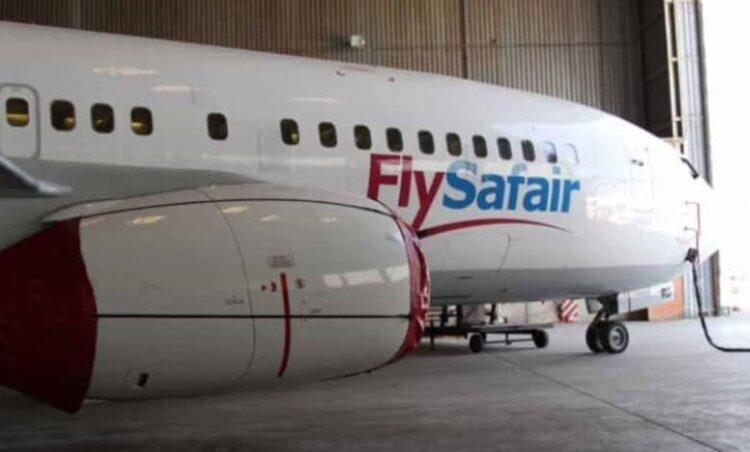
A FlySafair plane. Photo: Supplied
Comprehensive Summarization:
FlySafair, South Africa’s largest airline, has announced the introduction of a fuel surcharge on all tickets from today until May 12. This decision is a direct response to the surge in jet fuel costs, which have been exacerbated by the ongoing conflict in the Middle East. The conflict continues to unsettle global markets and disrupt supply chains, prompting airlines to adjust their pricing strategies. FlySafair has stated that the surcharge will be regularly reviewed and may be adjusted based on market developments. The airline has not provided further details on the specifics of the surcharge or its potential impact on travelers.
Key Points:
Actionable Takeaways:
Travel Budget Adjustments: Travelers should anticipate higher costs for flights from South Africa, particularly those involving FlySafair. It may be prudent to review and adjust travel budgets accordingly, especially for trips scheduled between today and May 12.
Monitor Market Developments: Given the surcharge’s potential for adjustment based on market conditions, stakeholders in the travel industry should closely monitor developments in the Middle East and global fuel markets. This includes airlines, travel agencies, and consumers, as changes could impact pricing strategies and travel planning.
Explore Alternative Routes or Airlines: For those with flexibility in their travel plans, exploring alternative routes or airlines that may not be affected by the surcharge could offer cost savings. This could involve considering other carriers, different departure times, or even revisiting destinations.
Contextual Insights:
The introduction of a fuel surcharge by FlySafair is a clear reflection of the current volatility in global fuel prices, primarily driven by geopolitical tensions in the Middle East. This situation underscores the broader trend of increased fuel cost volatility affecting the aviation industry. As such, the travel industry is witnessing a shift towards more dynamic pricing models, where surcharges and adjustments become more common. This trend is likely to influence not only consumer behavior but also the strategies of travel startups and fintech companies focused on travel payments and cost optimization. The situation highlights the need for the industry to adapt quickly to market changes, leveraging technology and innovation to mitigate the impact of rising fuel costs on both airlines and travelers.
Read the Complete Article.
THE NEWS: FlySafair and South Africa's Air Traffic and Navigation Services (ATNS) met on July 24 to discuss a public dispute...
Read moreDetails
Experience the magic of the Nile aboard Kenzy Dahabeya, a luxury boutique sailing cruise that offers an unforgettable journey between...
Read moreDetails