












Comprehensive Summarization:
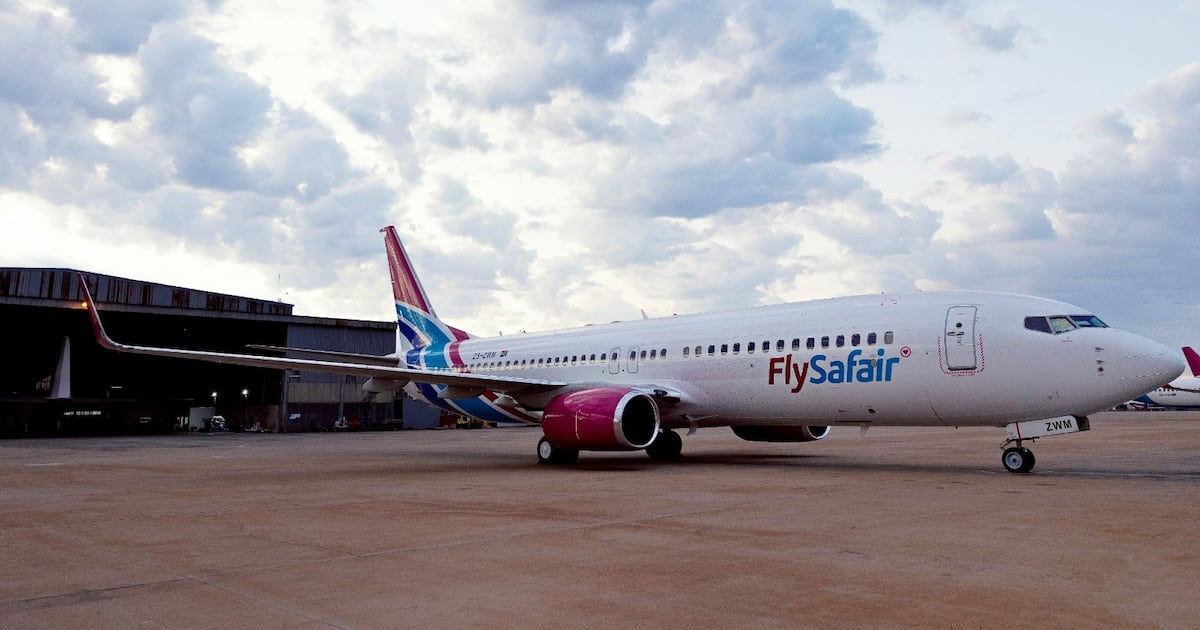
FlySafair, a low-cost airline, has announced the introduction of a temporary “dynamic fuel surcharge” on certain flights due to a significant surge in aviation fuel prices. The airline cited a 70% increase in Jet A1 fuel prices at South African airports over a single week, prompting the need to recover costs while maintaining operations. The surcharge will be effective from Thursday and will apply to flights departing on or before May 12, 2026. This development highlights the volatility in fuel prices and its direct impact on airline operations and pricing strategies in the travel industry.
Key Points:
- FlySafair is implementing a temporary dynamic fuel surcharge on specific flights due to a 70% increase in Jet A1 fuel prices at South African airports.
- The surcharge will be in effect from Thursday and will apply to flights departing on or before May 12, 2026.
- The airline is taking this measure to recover costs while continuing its operations amidst the fuel price surge.
Actionable Takeaways:
-
Dynamic Pricing Strategies: Airlines may increasingly adopt dynamic pricing models, such as the dynamic fuel surcharge, to manage costs and maintain profitability in response to volatile fuel prices. This approach allows airlines to adjust fares in real-time based on fuel cost fluctuations, ensuring operational sustainability.
-
Market Sensitivity to Fuel Prices: The surge in fuel prices underscores the sensitivity of the travel industry to external economic factors like fuel costs. Airlines may need to closely monitor fuel price trends and be prepared to adjust their pricing strategies promptly to mitigate financial impacts.
Contextual Insights:
The introduction of the dynamic fuel surcharge by FlySafair reflects broader industry trends where airlines are seeking innovative ways to manage costs amid rising fuel prices. This move aligns with the growing emphasis on operational efficiency and cost management in the travel sector. Furthermore, it highlights the importance of technological solutions in travel tech, such as dynamic pricing algorithms, which enable airlines to respond swiftly to market changes. As fuel prices continue to fluctuate, the travel industry will likely see more such adaptive strategies, potentially influencing the development of new fintech solutions aimed at optimizing fuel cost management for airlines.
Read the Complete Article.



