South Africa’s FlySafair meets ATNS to settle ongoing tiff
THE NEWS: FlySafair and South Africa's Air Traffic and Navigation Services (ATNS) met on July 24 to discuss a public dispute...
Read moreDetailsEvery alert that matters — when it happens.
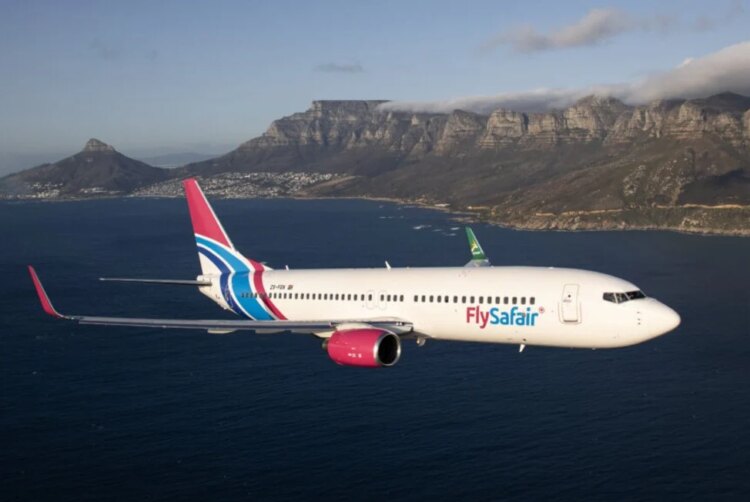
FlySafair Introduces Temporary Fuel Surcharge in Response to Rising Fuel Costs, Impacting Tourism De...
Comprehensive Summarization:
FlySafair, a prominent low-cost carrier in South Africa, has introduced a temporary fuel surcharge effective from March 12, 2026. This decision comes in response to a 70% increase in fuel prices, driven by geopolitical issues. The airline’s move aims to manage the rising operational costs and maintain travel affordability amidst the escalating fuel costs. The article, published on March 13, 2026, highlights the impact of this surcharge on tourism demand and overall travel affordability in South Africa.
Key Points:
Actionable Takeaways:
Impact on Travel Affordability: The introduction of the temporary fuel surcharge may lead to increased travel costs for consumers, potentially impacting tourism demand in South Africa. Travel agencies and airlines should monitor consumer behavior and adjust pricing strategies accordingly to mitigate any adverse effects on travel demand.
Market Response and Pricing Strategies: The surge in fuel costs and the airline’s response could prompt other low-cost carriers in South Africa to consider similar measures. This could lead to a market-wide adjustment in pricing strategies, affecting the competitive landscape of the South African aviation sector. Airlines may need to explore cost-saving measures or alternative fuel sources to remain competitive.
Contextual Insights:
The introduction of the temporary fuel surcharge by FlySafair reflects the broader challenges faced by the aviation industry in managing rising fuel costs, particularly in regions where geopolitical tensions significantly impact fuel prices. This scenario underscores the vulnerability of the travel sector to external economic factors and the need for adaptive pricing strategies. Furthermore, it highlights the importance of innovation in fuel efficiency and alternative energy sources to mitigate future cost pressures. As the travel industry continues to evolve, stakeholders must remain agile and responsive to market dynamics, leveraging technology and strategic partnerships to navigate challenges and capitalize on emerging opportunities.
Read the Complete Article.
THE NEWS: FlySafair and South Africa's Air Traffic and Navigation Services (ATNS) met on July 24 to discuss a public dispute...
Read moreDetails
Experience the magic of the Nile aboard Kenzy Dahabeya, a luxury boutique sailing cruise that offers an unforgettable journey between...
Read moreDetails