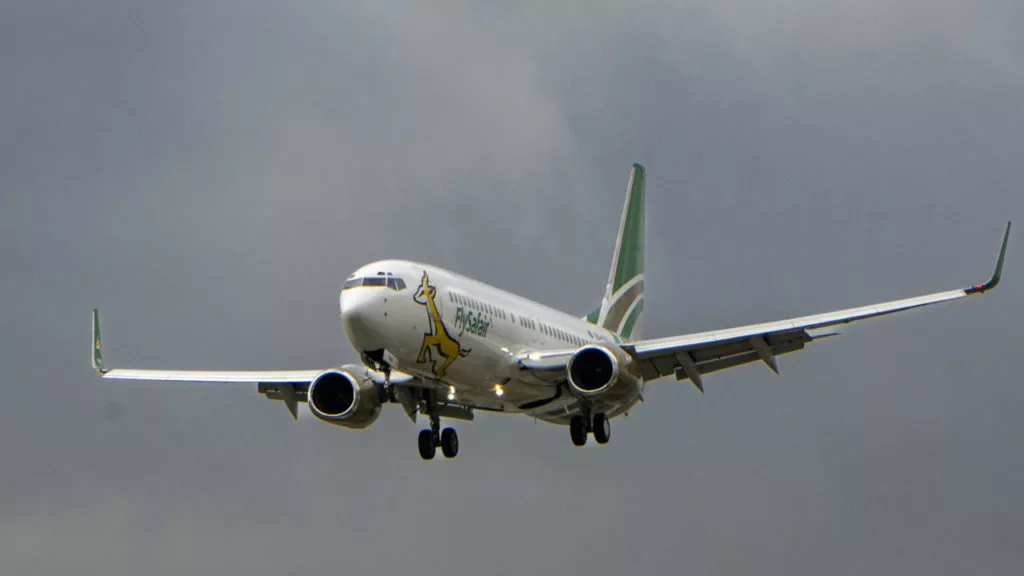
South Africa’s FlySafair meets ATNS to settle ongoing tiff
THE NEWS: FlySafair and South Africa's Air Traffic and Navigation Services (ATNS) met on July 24 to discuss a public dispute...
Read moreDetailsEvery alert that matters — when it happens.

FlySafair Responds to Rising Fuel Costs with Temporary Surcharge on Flights
Comprehensive Summarization:
FlySafair, a South African airline, has announced the introduction of a temporary fuel surcharge effective from March 12, 2026. This decision comes as jet fuel prices continue to rise due to geopolitical tensions in the Middle East. The surcharge is designed to provide pricing transparency for passengers and assist the airline in managing its increasing operational expenses. The surcharge will apply to flights departing before or on May 12, 2026. The article also touches on the broader context of travel and tour world, highlighting the impact of fuel price fluctuations on the aviation industry.
Key Points:
Actionable Takeaways:
Pricing Transparency for Passengers: The introduction of the fuel surcharge by FlySafair ensures that passengers are informed about the increased costs due to rising jet fuel prices. This transparency can help passengers make more informed decisions when booking flights, potentially leading to increased trust and loyalty towards the airline.
Operational Expense Management: By implementing the surcharge, FlySafair is proactively managing its operational expenses in response to external market pressures. This move demonstrates the airline’s commitment to financial stability and could serve as a model for other airlines facing similar challenges in the industry.
Contextual Insights:
The introduction of the fuel surcharge by FlySafair is a direct response to the current geopolitical tensions and their impact on global fuel prices. This development is indicative of a broader trend in the travel industry where airlines are increasingly adopting measures to mitigate the effects of volatile fuel prices on their operations and customers. The surcharge aligns with recent industry trends where airlines are leveraging technology and innovative pricing strategies to navigate the challenges posed by external factors such as geopolitical events. Furthermore, this move underscores the growing importance of financial transparency in the travel sector, a trend that is likely to continue as airlines seek to build trust and resilience in the face of market uncertainties.
Read the Complete Article.
THE NEWS: FlySafair and South Africa's Air Traffic and Navigation Services (ATNS) met on July 24 to discuss a public dispute...
Read moreDetails
Experience the magic of the Nile aboard Kenzy Dahabeya, a luxury boutique sailing cruise that offers an unforgettable journey between...
Read moreDetails