












Article Summary:
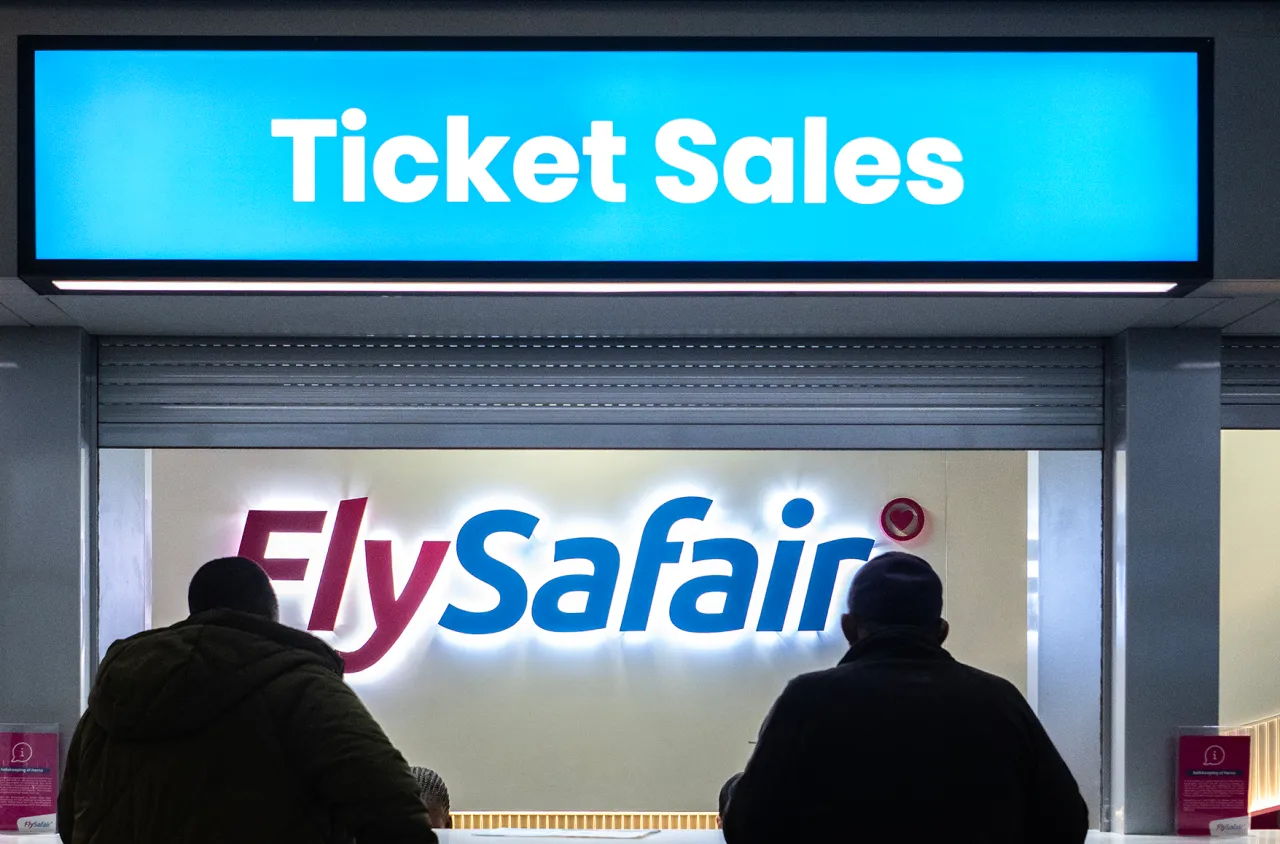
FlySafair, South Africa’s largest domestic airline, has initiated a work stoppage after wage negotiations with the South African Cabin Crew Association (Sacca) broke down. This move comes as cabin crew members are seeking a fair deal from the low-cost airline, marking a rare employer-initiated work stoppage in the industry.
Key Points:
- FlySafair has entered a work stoppage following the breakdown of wage negotiations with Sacca.
- The dispute is centered around the cabin crew’s demand for a fair deal from the low-cost airline.
- This is a rare occurrence of an employer-initiated work stoppage in the industry.
Actionable Takeaways:
- Impact on Operations: The work stoppage could lead to significant disruptions in FlySafair’s operations, affecting flight schedules and potentially leading to financial losses. This highlights the importance of effective negotiation and compromise in labor relations within the travel industry.
- Labor Relations in Low-Cost Airlines: The dispute underscores the challenges faced by low-cost airlines in managing labor relations, especially when it comes to wage negotiations. It serves as a reminder for industry stakeholders to prioritize fair and transparent communication to avoid such disruptions.
- Industry Stability: The work stoppage could have broader implications for the stability of the South African travel industry. It emphasizes the need for robust labor policies and practices that can ensure smooth operations and maintain industry confidence.
Contextual Insights:
The work stoppage by cabin crew members at FlySafair is a stark reminder of the delicate balance between labor demands and airline operational realities. In the current travel industry, characterized by increasing competition and fluctuating economic conditions, effective labor management is crucial. The incident also highlights the growing importance of technology in streamlining operations and enhancing communication between airlines and their workforce. As the industry continues to evolve, startups and fintech innovations that focus on improving labor relations and operational efficiency could play a pivotal role in shaping the future of travel.
Read the Complete Article.



