












Comprehensive Summarization:
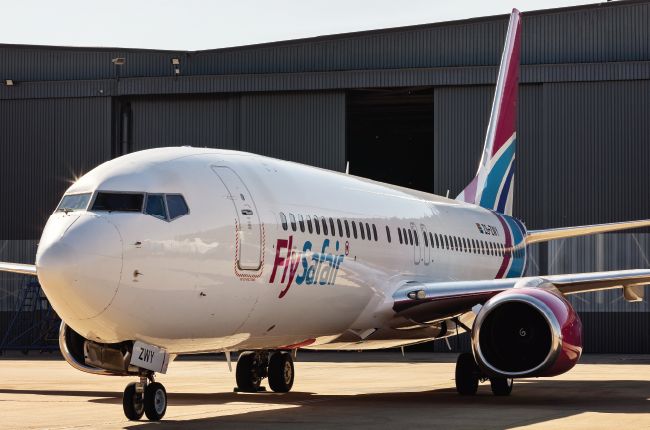
FlySafair, a travel company, has reported that approximately 12% of its flights were cancelled today due to a late-night withdrawal of availability by several pilots. This decision was communicated to all affected customers via SMS using the contact details provided during booking. Customers are advised to check the Travel Updates page on flysafair.co.za for the latest information. The article also touches on broader travel trends and insights from thought leaders, highlighting the importance of real-time communication and adaptability in the travel industry.
Key Points:
- FlySafair cancelled approximately 12% of its flights today due to pilot availability issues.
- Affected customers were notified via SMS using their booking contact details.
- Customers are encouraged to check the Travel Updates page on flysafair.co.za for the latest information.
- The article emphasizes the importance of real-time communication and adaptability in the travel industry.
Actionable Takeaways:
-
Enhance Communication Protocols: Travel companies should improve their communication protocols to promptly inform customers of cancellations or changes. This can be achieved through multiple channels such as SMS, email, and mobile apps, ensuring customers receive timely updates.
-
Leverage Real-Time Data: Utilize real-time data and automated systems to manage flight operations effectively. This includes integrating pilot availability systems that can quickly adjust flight schedules based on real-time pilot confirmations or withdrawals.
-
Focus on Customer Experience: In times of disruption, maintaining clear and transparent communication with customers is crucial. Providing regular updates and support can help mitigate customer dissatisfaction and enhance brand loyalty.
Contextual Insights:
The cancellation of flights due to pilot availability issues underscores the challenges faced by the travel industry in managing operational disruptions. This incident highlights the importance of real-time data and communication in maintaining customer trust and operational efficiency. As the travel industry continues to evolve, integrating advanced technologies for real-time tracking and communication will be essential. Furthermore, the emphasis on customer experience during disruptions reflects a growing trend in the industry towards customer-centric approaches. Thought leaders in travel tech are increasingly advocating for the use of AI and machine learning to predict and manage such disruptions proactively, potentially transforming how airlines and travel companies operate in the future.
Read the Complete Article.



