South Africa’s FlySafair meets ATNS to settle ongoing tiff
THE NEWS: FlySafair and South Africa's Air Traffic and Navigation Services (ATNS) met on July 24 to discuss a public dispute...
Read moreDetailsEvery alert that matters — when it happens.
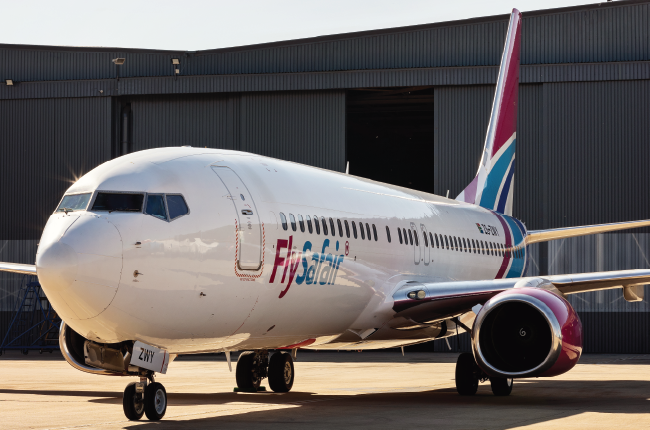
FlySafair
Comprehensive Summarization:
FlySafair, a travel company, has slightly reduced its temporary fuel surcharge for the second week in a row. This decision comes as Jet A1 fuel prices remain elevated due to the Middle East conflict, which initially led to the levy’s addition in March. The airline noted that Jet A1 pricing is more than double pre-conflict levels, making it impossible to remove the levy entirely. FlySafair will continue to monitor costs as Jet A1 pricing remains a significant concern for the industry.
Key Points:
Actionable Takeaways:
Monitor Fuel Costs: Airlines should closely monitor Jet A1 fuel prices and be prepared to adjust surcharges as needed. This is crucial given the current elevated fuel costs, which could impact overall travel expenses.
Review Pricing Strategies: Companies in the travel industry should regularly review their pricing strategies, especially those involving surcharges or fees related to fuel costs. This proactive approach can help maintain competitiveness and customer satisfaction amidst fluctuating fuel prices.
Contextual Insights:
The current situation with FlySafair and Jet A1 fuel prices highlights the ongoing volatility in the travel industry, particularly concerning fuel costs. This context is crucial for understanding the broader implications for travel startups and fintech innovations. As fuel prices continue to be a significant cost factor, there may be increased interest in developing technologies or financial solutions that can mitigate these costs for airlines and passengers alike. For instance, advancements in fuel-efficient aircraft or alternative energy sources could become more attractive as airlines seek to manage their fuel expenses more effectively. Additionally, fintech innovations that offer flexible payment options or cost-saving mechanisms for travelers could gain traction, providing a competitive edge in a challenging market environment.
Read the Complete Article.
THE NEWS: FlySafair and South Africa's Air Traffic and Navigation Services (ATNS) met on July 24 to discuss a public dispute...
Read moreDetails
Experience the magic of the Nile aboard Kenzy Dahabeya, a luxury boutique sailing cruise that offers an unforgettable journey between...
Read moreDetails