












Article Summary:
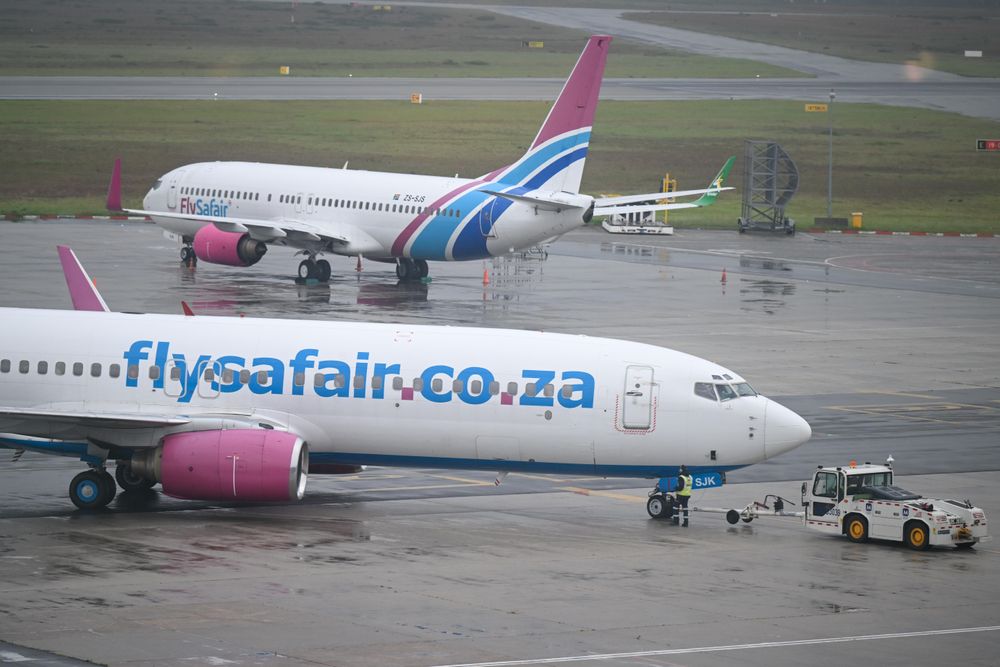
After 12 days of strike action by Flysafair pilots over wages and working hours, an agreement has been reached through the CCMA’s (Commission for Conciliation, Mediation and Arbitration) proposed settlement. This marks the end of the longest pilot strike and lockout in South African history, according to Helgard Cronjé, Deputy General Secretary of Solidarity.
Key Points:
- The strike by Flysafair pilots was due to dissatisfaction with wages and working hours.
- An agreement was finally reached via the CCMA’s settlement process.
- This strike and lockout is noted as the longest in South African history.
- The agreement brings an end to the prolonged industrial action.
Actionable Takeaways:
- Impact on Travel Industry Stability: The resolution of the strike highlights the importance of effective labor negotiations in maintaining industry stability. It suggests that addressing pilot concerns promptly can prevent prolonged disruptions, which are detrimental to both airline operations and passenger experience.
- Role of Regulatory Bodies: The involvement of the CCMA in resolving the dispute underscores the critical role of regulatory bodies in mediating labor disputes. This could encourage other industries to seek similar arbitration processes for resolving conflicts, potentially leading to more streamlined conflict resolution mechanisms across sectors.
- Influence on Future Labor Relations: The successful conclusion of the strike may set a precedent for future labor negotiations within the aviation sector. It could encourage pilots and other airline staff to engage more constructively with management, potentially leading to improved working conditions and wage structures in the future.
Contextual Insights:
The article reflects a broader trend within the travel industry where labor relations play a crucial role in operational stability. Recent travel trends indicate a growing emphasis on employee welfare and fair compensation practices, as highlighted by thought leaders in the industry. This case exemplifies how addressing pilot grievances can prevent significant operational disruptions, aligning with the industry’s shift towards more employee-centric policies. Furthermore, the resolution process through the CCMA suggests a growing recognition of the value of structured mediation in resolving complex labor issues, which could influence future labor relations strategies in the travel sector.
Read the Complete Article.



