South Africa’s FlySafair meets ATNS to settle ongoing tiff
THE NEWS: FlySafair and South Africa's Air Traffic and Navigation Services (ATNS) met on July 24 to discuss a public dispute...
Read moreDetailsEvery alert that matters — when it happens.

Comprehensive Summarization:
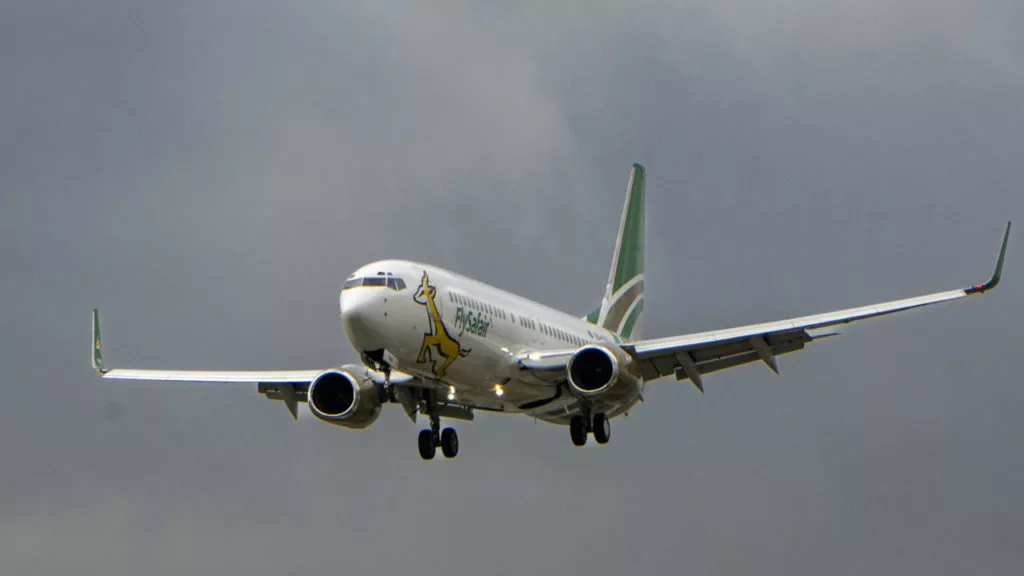
On February 17, FlySafair resumed its scheduled flights to and from Hoedspruit Airport after successfully refurbishing the airport’s main runway, which was severely damaged by floods in Limpopo province in January. The airport had been partially operational using the secondary runway, but the main runway was deemed unsafe for use. This development is significant as it marks the return to normal operations for FlySafair, a key player in the travel industry, following a period of disruption caused by natural disasters. The article also touches on the broader travel trends and insights from thought leaders, highlighting the resilience and adaptability of airlines in the face of unforeseen challenges.
Key Points:
Actionable Takeaways:
Resilience in Travel Operations: The successful refurbishment of Hoedspruit Airport’s main runway and FlySafair’s subsequent resumption of flights demonstrate the industry’s capacity for resilience in the face of natural disasters. Travel companies should prioritize infrastructure maintenance and contingency planning to ensure continuity of operations.
Importance of Secondary Runways: The use of the secondary runway during the refurbishment period highlights the strategic importance of having alternative operational facilities. Airlines and airports should consider developing secondary infrastructure to mitigate the impact of disruptions caused by adverse weather conditions or other unforeseen events.
Focus on Safety and Compliance: The refurbishment process underscores the critical role of safety and compliance in travel operations. Airlines must adhere to stringent safety standards and undergo thorough inspections before resuming full operations. This ensures passenger safety and maintains the reputation of the airline within the industry.
Contextual Insights:
The article’s context is deeply rooted in the recent challenges faced by the travel industry due to natural disasters. The flooding in Limpopo province not only disrupted operations at Hoedspruit Airport but also served as a stark reminder of the vulnerabilities within the travel sector. This incident aligns with the broader trend of increased frequency and intensity of natural disasters globally, which has prompted the travel industry to reassess its risk management strategies.
In terms of forward-looking perspectives, the article suggests that the travel industry is increasingly focusing on technological innovations to enhance resilience. For instance, the use of advanced weather forecasting systems and real-time monitoring tools can help airlines and airports anticipate and mitigate the impact of adverse weather conditions. Additionally, the integration of smart technologies in airport infrastructure, such as automated runway inspections and adaptive flight paths, can further bolster operational resilience.
Moreover, the article reflects the growing emphasis on sustainability and eco-friendly practices within the travel sector. As the industry recovers from disruptions, there is a renewed focus on implementing green technologies and sustainable practices to reduce the carbon footprint of air travel. This includes the adoption of electric aircraft, sustainable aviation fuels, and energy-efficient airport operations.
In conclusion, the successful refurbishment of Hoedspruit Airport and FlySafair’s resumption of flights underscore the industry’s capacity for resilience and adaptability. By prioritizing infrastructure maintenance, leveraging secondary facilities, and embracing technological innovations, travel companies can enhance their operational continuity and better withstand future challenges.
Read the Complete Article.
THE NEWS: FlySafair and South Africa's Air Traffic and Navigation Services (ATNS) met on July 24 to discuss a public dispute...
Read moreDetails
Experience the magic of the Nile aboard Kenzy Dahabeya, a luxury boutique sailing cruise that offers an unforgettable journey between...
Read moreDetails