












Comprehensive Summarization:
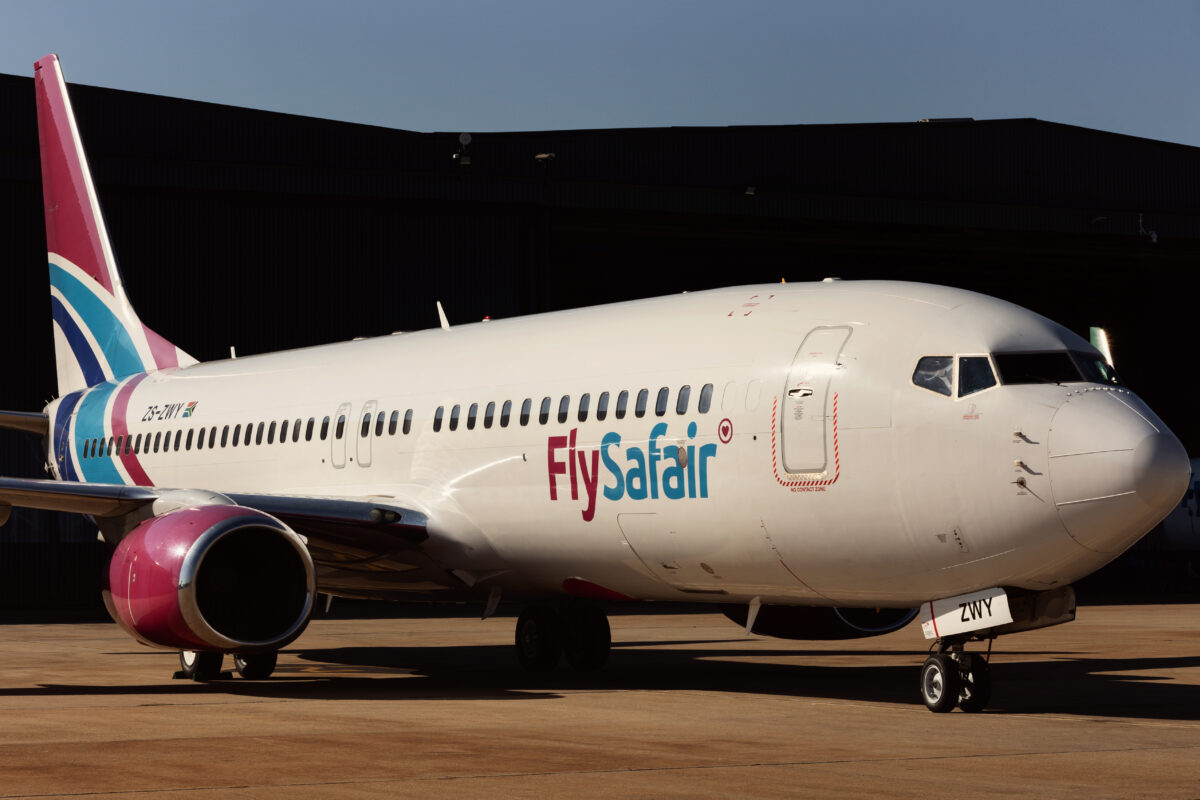
FlySafair, a South African airline, temporarily suspended all flights to and from Hoedspruit Airport (HDS) from January 19 to February 14, 2024, due to severe flooding in the Limpopo region that caused extensive damage to critical airport infrastructure. The flooding, which has been declared a national disaster, has severely impacted the airport’s runway and radar systems, disrupting travel operations in the area. The article highlights the immediate response to the disaster, the suspension of flights, and the ongoing challenges faced by the airport and its passengers.
Key Points:
- FlySafair suspended all flights to and from Hoedspruit Airport due to severe flooding in the Limpopo region.
- The flooding has caused extensive damage to the airport’s runway and radar systems.
- The region has been declared a national disaster, indicating the severity of the situation.
- The suspension of flights is expected to last until February 14, 2024.
Actionable Takeaways:
-
Operational Preparedness: Airlines should develop contingency plans for severe weather events, including real-time monitoring of weather conditions and the ability to quickly suspend operations when necessary. This ensures passenger safety and minimizes disruptions.
-
Infrastructure Resilience: Investing in resilient airport infrastructure, such as reinforced runways and advanced radar systems, can mitigate the impact of severe weather events. This proactive approach can reduce downtime and improve recovery times after natural disasters.
-
Passenger Support: Airlines should prioritize support for affected passengers, including rebooking options, compensation, and clear communication. This not only addresses immediate concerns but also enhances customer satisfaction and loyalty.
Contextual Understanding:
The article reflects the ongoing challenges faced by the travel industry in the face of natural disasters. Recent trends indicate an increased frequency and severity of weather-related disruptions, prompting airlines to enhance their operational resilience. The focus on passenger support and infrastructure resilience aligns with current industry trends, emphasizing the importance of adaptability and customer-centric strategies in travel management. Thought leaders in the travel sector are increasingly advocating for innovative solutions, such as AI-driven predictive analytics for weather disruptions and advanced airport infrastructure, to enhance safety and efficiency.
Handling Different Article Types:
The article is a news brief, providing factual information about a specific event impacting the travel industry. The structured output format ensures clarity and ease of integration into professional materials, such as reports or presentations. The content is strictly sourced from the article, adhering to the facts and context provided without introducing external information.
Read the Complete Article.



