












Article Summary:
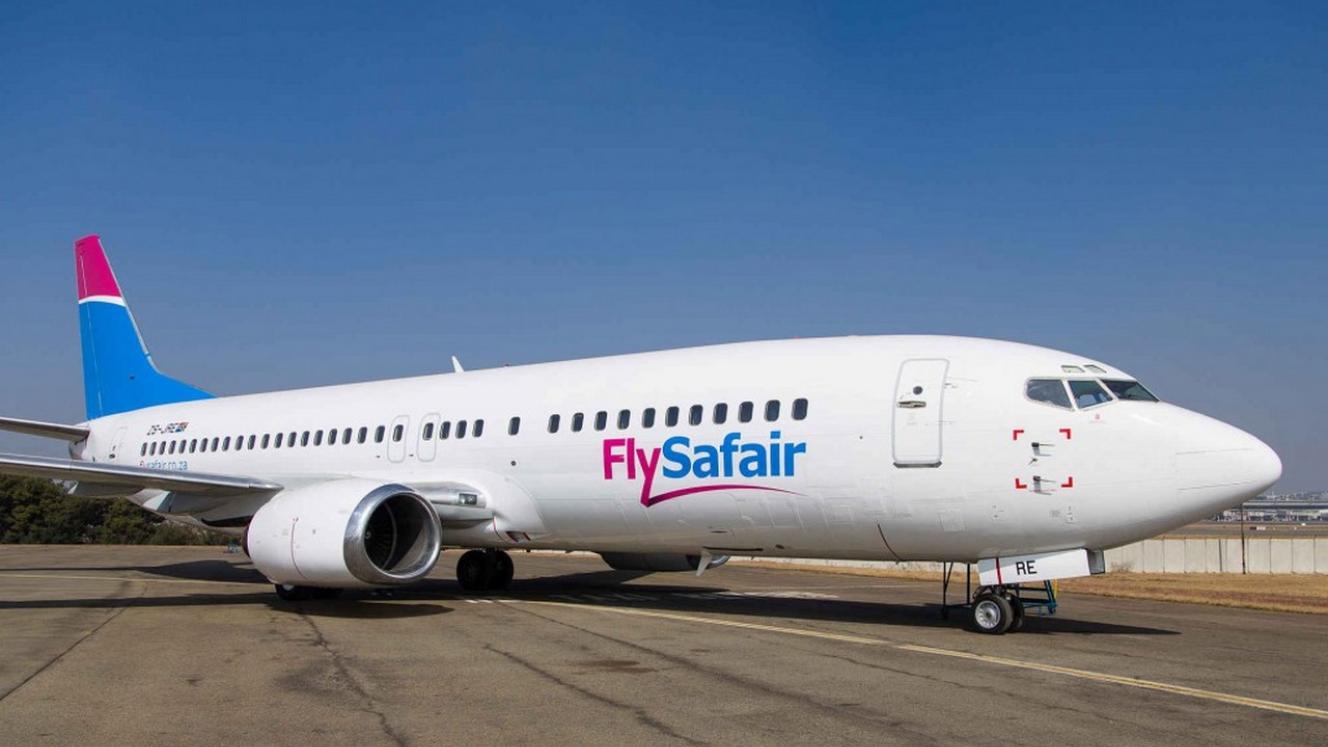
FlySafair, an airline, has addressed safety concerns following a December 3 incident where two tires on a Boeing 737 burst upon landing at OR Tambo airport. This incident came shortly after a report by Netwerk24 suggested FlySafair was experiencing a higher-than-normal rate of wheel component failures, allegedly due to inadequate maintenance of tie-bolts. The airline’s move to clarify its wheel maintenance procedures indicates a proactive stance in addressing these safety concerns.
Key Points:
- FlySafair clarified its wheel maintenance procedures following a tire burst incident on December 3.
- The incident occurred shortly after a report by Netwerk24 highlighted a higher-than-normal rate of wheel component failures at FlySafair.
- The failures were allegedly due to inadequate maintenance of tie-bolts, which hold the two halves of an aircraft wheel together.
- The airline’s response indicates a proactive approach to addressing safety concerns related to wheel maintenance.
Actionable Takeaways:
-
Enhanced Maintenance Protocols: FlySafair’s response to the tire burst incident suggests a need for airlines to enhance their maintenance protocols, particularly focusing on tie-bolts and other critical wheel components. This could involve more rigorous inspections, updated maintenance schedules, and possibly investing in advanced diagnostic tools to prevent similar incidents in the future. This action is crucial as it directly impacts passenger safety and airline reputation.
-
Transparency in Safety Measures: The airline’s decision to clarify its maintenance procedures demonstrates the importance of transparency in addressing safety concerns. Airlines should communicate openly about any incidents, the steps taken to investigate and rectify them, and the measures being implemented to prevent future occurrences. This transparency builds trust with passengers and stakeholders, which is vital in the travel industry where trust is a key factor in customer loyalty.
Contextual Insights:
The incident at FlySafair underscores the ongoing challenges in the aviation industry regarding aircraft safety, particularly concerning wheel components. Recent trends indicate a growing emphasis on predictive maintenance and the use of advanced technologies such as AI and IoT to monitor and predict potential failures before they occur. This incident serves as a reminder for the industry to invest in such technologies, as they can significantly reduce the risk of unexpected failures and enhance overall safety. Furthermore, the incident highlights the importance of regulatory oversight and the need for airlines to comply with stringent safety standards. As the travel industry continues to evolve, with increasing focus on sustainability and technological innovation, the lessons learned from such incidents will be crucial in shaping future practices and innovations in travel tech, startups, and fintech solutions aimed at enhancing safety and operational efficiency.
Read the Complete Article.



