












Article Summary:
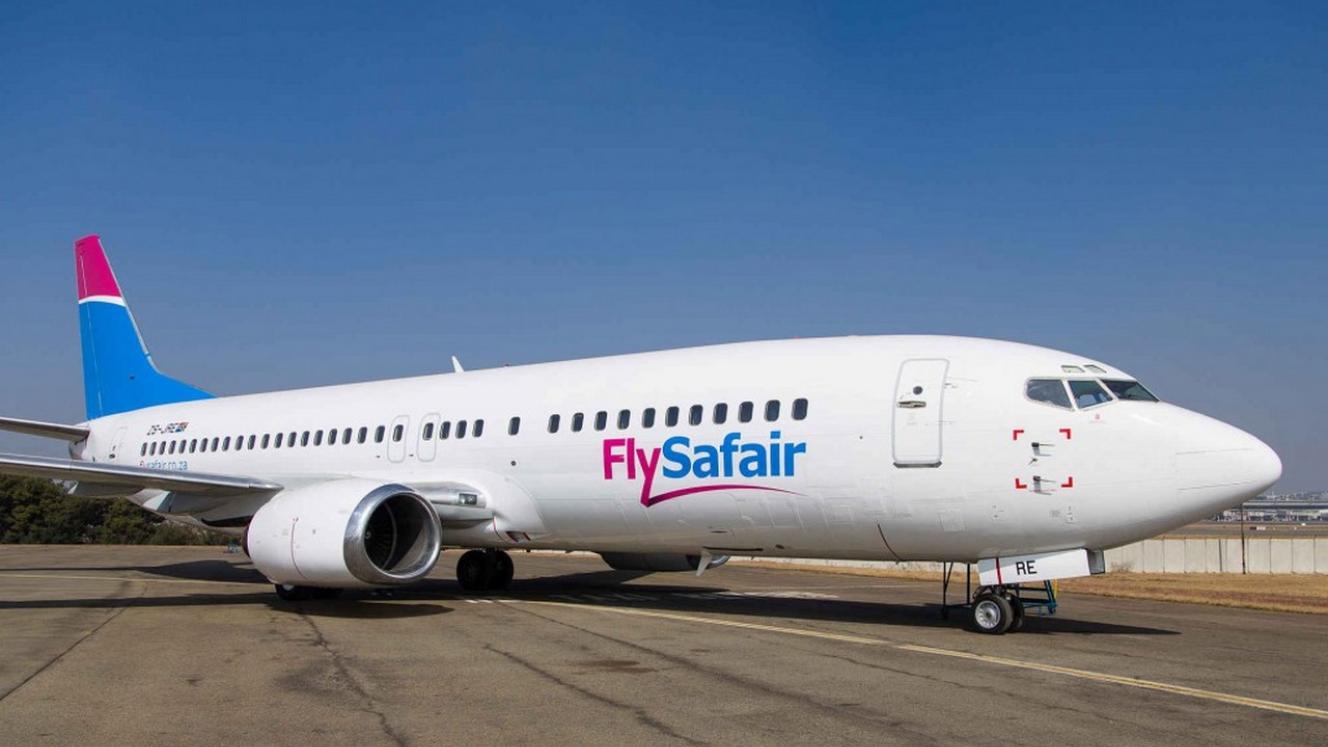
FlySafair, an airline, has addressed safety concerns following a December 3 incident where two tires on a Boeing 737 burst upon landing at OR Tambo airport. This incident came shortly after a report by Netwerk24 suggested FlySafair was experiencing a higher-than-normal rate of wheel component failures, allegedly due to inadequate maintenance of tie-bolts. The airline’s move to clarify its wheel maintenance procedures indicates a proactive stance in addressing these safety concerns.
Key Points:
- FlySafair clarified its wheel maintenance procedures following a tire burst incident on December 3.
- The incident occurred shortly after a report by Netwerk24 highlighted a higher-than-normal rate of wheel component failures at FlySafair.
- The failures were allegedly due to inadequate maintenance of tie-bolts, which hold the two halves of an aircraft wheel together.
- The airline’s response indicates a commitment to addressing safety concerns and improving maintenance practices.
Actionable Takeaways:
-
Enhanced Maintenance Protocols: FlySafair’s response to the tire burst incident suggests a need for airlines to enhance their maintenance protocols, particularly focusing on tie-bolt maintenance. This could involve more frequent inspections, stricter adherence to maintenance schedules, and possibly investing in advanced diagnostic tools to detect potential issues before they lead to failures.
- Relevance and Impact: Improved maintenance protocols can significantly reduce the risk of tire failures, enhancing passenger safety and potentially reducing the airline’s liability in case of accidents. This proactive approach aligns with current industry trends emphasizing safety and reliability in air travel.
-
Transparency and Communication: The airline’s decision to clarify its maintenance procedures demonstrates the importance of transparency in addressing safety concerns. Airlines should communicate openly with stakeholders, including passengers and regulatory bodies, about any incidents and the steps being taken to prevent future occurrences.
- Relevance and Impact: Enhanced transparency can build trust with passengers and stakeholders, which is crucial in the travel industry. It also ensures compliance with regulatory requirements and can mitigate reputational damage in the event of incidents.
Contextual Insights:
The incident at FlySafair underscores the ongoing challenges in the aviation industry regarding aircraft safety and maintenance. Recent trends indicate a growing emphasis on technological advancements in predictive maintenance, where data analytics and AI are used to anticipate and prevent equipment failures. FlySafair’s proactive response aligns with these trends, suggesting that the industry is moving towards more data-driven and preventive maintenance strategies.
Moreover, the incident highlights the importance of regulatory oversight and the role of thought leaders in shaping industry standards. As the travel industry continues to evolve, with increasing focus on sustainability and technological innovation, airlines must adapt to maintain high safety standards. Thought leaders in the industry are likely to advocate for continuous improvement in maintenance practices, leveraging technology to stay ahead of potential issues.
Handling Different Article Types:
The article provided is a news blurb, offering factual information about a specific incident and its implications. For opinion pieces or feature articles, the approach would involve analyzing the underlying arguments, evaluating the presented viewpoints, and integrating expert opinions to provide a comprehensive analysis. However, given the factual nature of the article, the focus remains on summarizing the incident, extracting key points, and deriving actionable insights based on the provided information.
Read the Complete Article.



