












Article Summary:
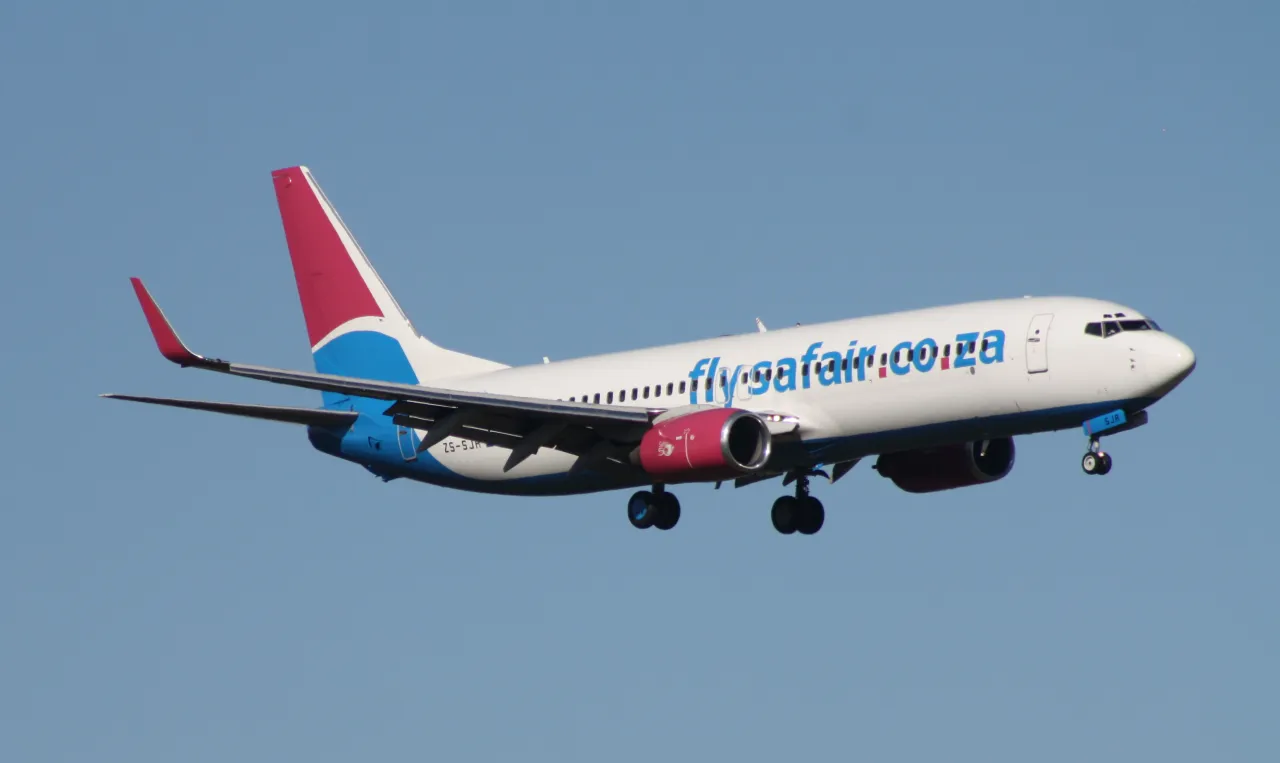
The article reports a breakdown in wage negotiations between FlySafair and its cabin crew, leading to a midnight Saturday deadline imposed by the airline. The low-cost carrier has given the cabin crew a deadline, indicating a potential disruption in operations. The context is set against the backdrop of the travel industry’s ongoing challenges, including labor relations and operational pressures.
Key Points:
- FlySafair and its cabin crew have reached an impasse in wage negotiations, leading to a midnight deadline.
- The deadline was communicated to the cabin crew via a Teams call, suggesting a rapid escalation in labor relations.
- The situation highlights the ongoing challenges in the travel industry, particularly concerning labor relations and operational pressures.
Actionable Takeaways:
- Labor Relations Impact: The breakdown in negotiations and imposition of a deadline by FlySafair underscores the volatility in labor relations within the travel industry. Airlines must navigate these challenges carefully to avoid operational disruptions. Relevance: Understanding the dynamics of labor negotiations can help airlines implement more stable workforce management strategies, potentially reducing the risk of operational disruptions.
- Operational Preparedness: The midnight deadline suggests a need for airlines to have contingency plans in place for sudden labor disputes. Airlines should consider developing flexible operational protocols that can be activated swiftly in response to such situations. Relevance: Preparing for potential labor disputes can help airlines maintain operational continuity, minimizing the impact on service delivery and customer satisfaction.
Contextual Insights:
The current scenario at FlySafair reflects broader trends within the travel industry, where labor relations and operational pressures are increasingly intertwined. Recent trends indicate a growing emphasis on employee welfare and operational efficiency, with airlines adopting innovative solutions to manage these challenges. For instance, the use of digital platforms for negotiations and real-time communication has become more prevalent. Insight: The reliance on digital communication tools, such as Teams, in handling labor negotiations highlights a broader trend towards leveraging technology to manage complex industry challenges. This trend is likely to continue, with more airlines adopting digital solutions to enhance operational efficiency and employee engagement.
Handling Different Article Types:
The article falls under the category of a news blurb, providing factual information about a significant event in the travel industry. The structured output format ensures that the key points and actionable takeaways are clearly presented, making it easy for readers to digest and act upon the information. This approach is particularly useful for a professional audience that relies on concise and fact-based content to stay informed about industry developments.
Read the Complete Article.



