












Article Summary:
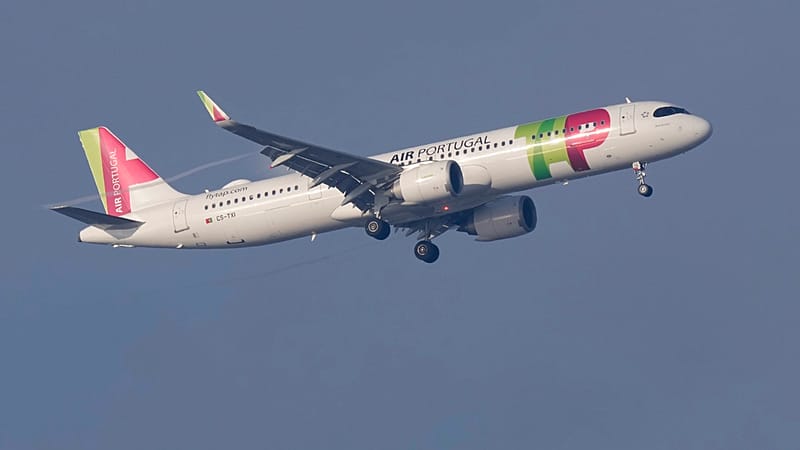
Air France-KLM plans to formally submit a proposal to acquire a stake in Portuguese carrier TAP Air Portugal. This move comes after the Portuguese government announced its intention to privatize part of TAP in September 2023. CEO Ben Smith made the announcement during a press conference to present the firm’s quarterly results.
Key Points:
- Air France-KLM intends to acquire a stake in TAP Air Portugal.
- The acquisition proposal was announced during Air France-KLM’s quarterly results presentation.
- The Portuguese government confirmed its intention to privatize part of TAP in September 2023.
- CEO Ben Smith made the announcement during a press conference.
Actionable Takeaways:
- Potential Market Expansion: Air France-KLM’s interest in acquiring a stake in TAP Air Portugal could lead to increased market presence in the European aviation sector. This acquisition could provide Air France-KLM with access to new routes and customer bases, enhancing its competitive edge in the industry.
- Strategic Investment in European Aviation: The acquisition reflects a strategic move by Air France-KLM to strengthen its position in the European aviation market. This move could be indicative of broader trends in the industry, where larger carriers are seeking to expand their footprint in key markets.
- Impact on TAP Air Portugal: The potential acquisition could significantly impact TAP Air Portugal, both positively and negatively. On the positive side, increased investment and resources could help TAP modernize its operations and improve its service offerings. On the negative side, the acquisition could lead to changes in TAP’s operational autonomy and strategic direction.
Contextual Insights:
The acquisition proposal by Air France-KLM to acquire a stake in TAP Air Portugal is a significant development in the European aviation sector. It reflects the ongoing trend of larger carriers seeking to expand their market presence through strategic acquisitions. This move is particularly noteworthy in the context of the current travel industry trends, which emphasize the importance of digital transformation and operational efficiency. The acquisition could also have implications for the broader travel tech sector, as it may spur innovation in areas such as fleet management, route optimization, and customer service technologies. Furthermore, the acquisition could influence the regulatory landscape in the European aviation market, potentially leading to changes in policies related to airline ownership and market consolidation.
Read the Complete Article.


