













Comprehensive Summarization:
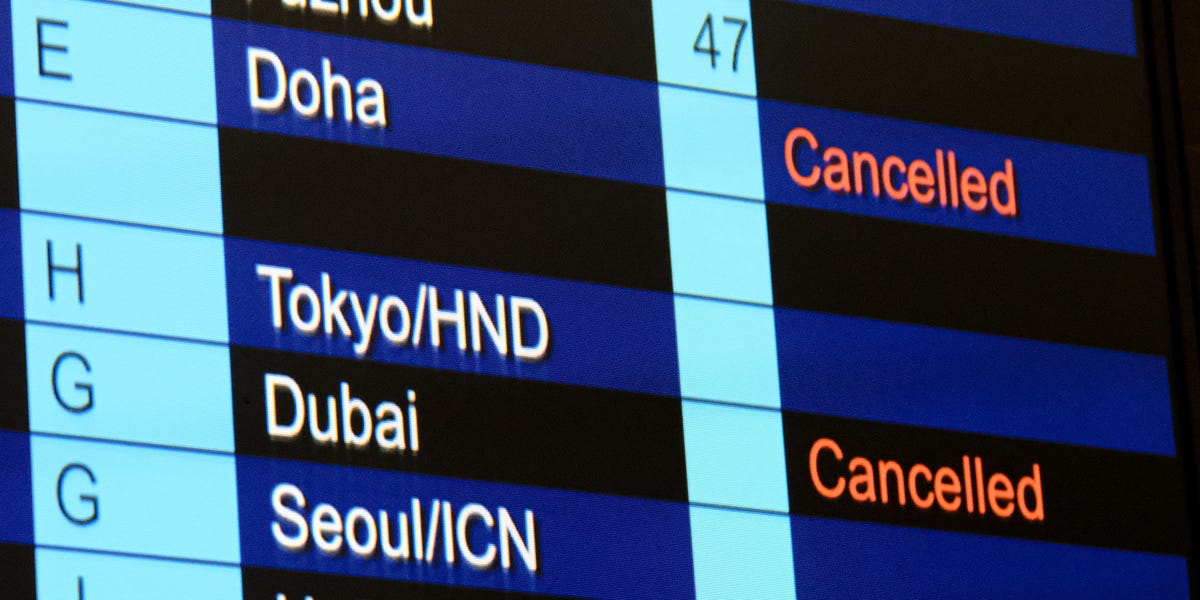
The article reports on significant drops in major aviation stocks following strikes by the US and Israel on Iran, which caused travel chaos globally. The three largest US carriers—American, Delta, and United—experienced sharp declines at the market open due to concerns over long-term disruption to the airline industry and potential higher fuel costs from rising oil prices. The summary captures the main theme of the article, which is the impact of geopolitical tensions on the aviation sector, along with the key developments of stock market reactions and the broader implications for the travel industry.
Key Points:
- Major aviation stocks, particularly those of American, Delta, and United, plummeted on Monday due to strikes by the US and Israel on Iran.
- The conflict and rising oil prices have raised concerns about long-term disruption to the airline industry and potential increases in fuel costs.
- The article highlights the immediate impact on stock prices and the broader implications for the travel industry, indicating potential challenges ahead.
Actionable Takeaways:
-
Stock Market Volatility and Investor Caution: The sharp decline in major aviation stocks underscores the sensitivity of the airline industry to geopolitical events and fuel price fluctuations. Investors are likely to remain cautious, potentially leading to further volatility in the sector. This volatility could impact airline profitability and investment decisions in the travel industry.
-
Potential for Increased Fuel Costs: The article suggests that the conflict could lead to higher fuel costs, which are a significant operational expense for airlines. This could result in increased ticket prices for consumers or reduced profitability for airlines, affecting their competitive positioning in the market.
Contextual Insights:
The article reflects the current state of the travel industry, where geopolitical tensions can have immediate and significant impacts on the financial health of airlines. The focus on rising oil prices and potential disruptions highlights the interconnectedness of global events with the travel sector. As the industry continues to navigate uncertainties, stakeholders must remain vigilant and adaptable. The insights provided align with current industry trends, emphasizing the need for airlines to develop strategies that mitigate risks associated with geopolitical instability and fuel price volatility. Additionally, the article underscores the importance of monitoring geopolitical developments as a key factor in shaping future travel trends and investment opportunities in the sector.
Read the Complete Article.



