Comprehensive Summarization:
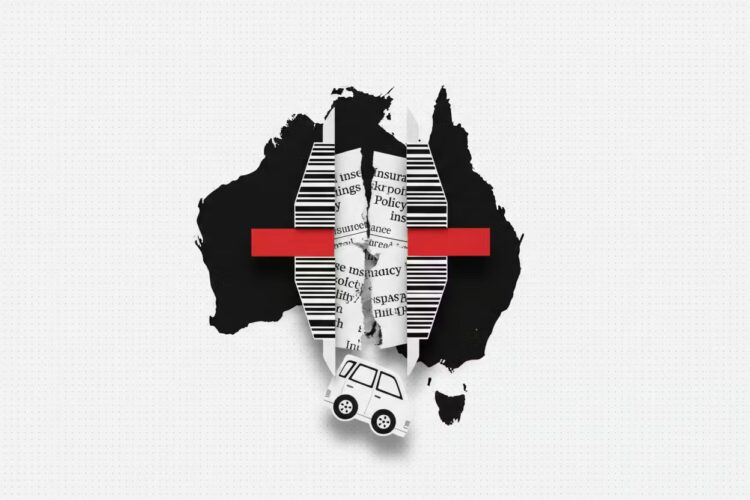
The article discusses IAG’s strategy to expand its insurance services across motor and home and contents insurance, with a focus on the potential knock-on effects in the claims supply chain. It highlights how a larger buyer could gain leverage in this chain, particularly in areas like smash repairers. IAG has committed to cooperating and expects the process to take up to 90 business days. The article also touches on the uncertainty introduced by Phase 2 reviews, which could impact the timeline and expected benefits of consolidation. Investors are advised to watch for remedies such as behavioral commitments in such scenarios. The piece concludes by emphasizing the importance of understanding these developments for market stakeholders, particularly in light of recent regulatory changes that could alter payoffs.
Key Points:
- IAG is expanding its insurance services across motor and home and contents insurance.
- The expansion could lead to increased leverage for larger buyers in the claims supply chain, such as smash repairers.
- IAG expects the process to take up to 90 business days and is cooperating with regulators.
- Phase 2 reviews introduce uncertainty to the timeline and expected benefits of consolidation.
- Investors should monitor for remedies like behavioral commitments during such consolidations.
- Regulatory changes could alter the payoff for such consolidations.
Actionable Takeaways:
-
Monitor Regulatory Changes: Investors and market stakeholders should closely monitor regulatory changes that could impact the payoff of consolidations in the insurance sector. This is crucial for understanding potential shifts in market dynamics and making informed investment decisions.
-
Assess Supply Chain Leverage: Companies involved in the claims supply chain, particularly those like smash repairers, should assess their position in relation to potential larger buyers. Understanding leverage dynamics can help in strategic planning and risk management.
-
Prepare for Uncertainty: The introduction of Phase 2 reviews adds uncertainty to the timeline and expected benefits of consolidation. Companies should prepare for potential delays and be ready to adapt their strategies accordingly to mitigate risks associated with consolidation processes.
Contextual Insights:
The article reflects current trends in the insurance sector, particularly the increasing focus on consolidation and the strategic importance of supply chain dynamics. The emphasis on regulatory changes and their potential impact on payoffs underscores the importance of staying abreast of regulatory developments. In the context of travel tech and fintech, these developments highlight the need for companies to be agile and responsive to market shifts. The focus on behavioral commitments as a remedy suggests a trend towards more structured and transparent processes in consolidations, which could influence innovation and competition in the sector. Overall, the article provides valuable insights into the evolving landscape of the insurance industry, particularly in the wake of consolidation efforts and regulatory changes.
Read the Complete Article.