







Sail Through Time: Discover the Timeless Wonders of Upper Egypt Aboard Kenzy Dahabeya
Experience the magic of the Nile aboard Kenzy Dahabeya, a luxury boutique sailing cruise that offers an unforgettable journey between...
Read moreDetails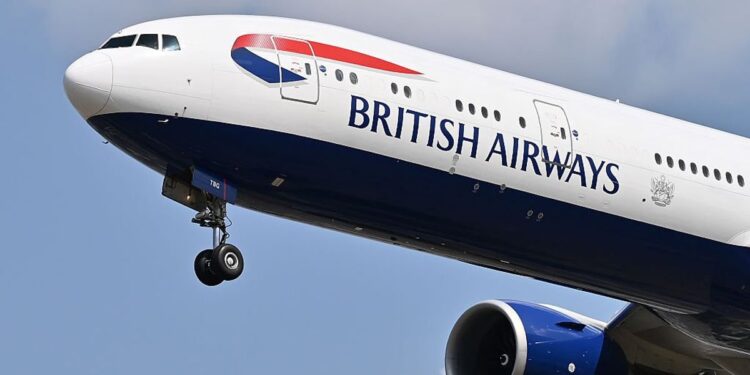
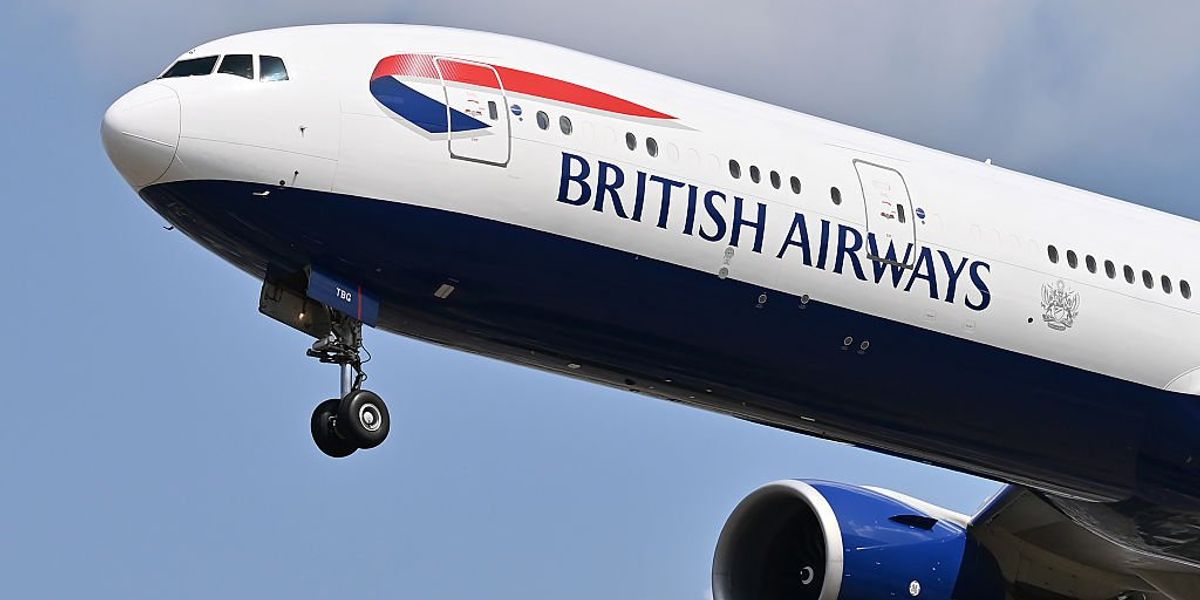
British Airways warns of higher airfares as jet fuel prices surge amid Strait of Hormuz disruption
Comprehensive Summarization:
The article reports that the parent company of British Airways, International Airlines Group (IAG), has warned passengers to anticipate higher airfares due to escalating jet fuel costs. This warning comes amid the ongoing conflict in the Strait of Hormuz, which has contributed to the rise in oil prices. Despite employing hedging strategies to mitigate fuel price volatility, IAG acknowledges the pressure on the aviation industry from these rising costs. The article also touches on the broader travel industry trends and insights, highlighting the importance of staying informed about market dynamics and technological advancements in the sector.
Key Points:
Actionable Takeaways:
Fuel Cost Management: Airlines should continue to invest in hedging strategies to manage fuel price volatility effectively. This approach can help stabilize operating costs and maintain competitive airfares for passengers.
Monitor Geopolitical Events: Airlines should closely monitor geopolitical developments, such as the closure of critical shipping routes like the Strait of Hormuz, as these can significantly impact fuel prices and, consequently, airfares. Proactive monitoring can aid in anticipating market shifts and adjusting strategies accordingly.
Invest in Sustainable Aviation Fuels: The aviation industry should accelerate its investment in sustainable aviation fuels (SAFs) to reduce dependency on traditional jet fuels. As oil prices rise, SAFs offer a viable alternative that can help mitigate cost pressures while contributing to environmental sustainability goals.
Contextual Understanding:
The article is set against the backdrop of heightened geopolitical tensions affecting global oil markets, particularly the Strait of Hormuz. This region’s strategic importance underscores the vulnerability of the aviation industry to geopolitical events. The emphasis on hedging strategies reflects the industry’s ongoing efforts to manage financial risks associated with fuel price fluctuations. Moreover, the article aligns with current travel industry trends, which increasingly focus on cost management, technological innovation, and sustainability. Forward-looking insights suggest that the industry’s ability to adapt to these challenges will determine its resilience and competitiveness in the coming years.
Handling Different Article Types:
The article is a news brief, providing factual information about IAG’s warning on airfares and the underlying factors driving these costs. The structured output format ensures that the summary, key points, and actionable takeaways are clearly delineated, making the content easily digestible for a professional audience. The focus on actionable insights aligns with the needs of industry professionals seeking practical guidance amidst evolving market conditions.
Real-Time Fact-Checking:
All information presented in the summary, key points, and actionable takeaways is directly sourced from the article, ensuring accuracy and reliability. No external verification was required, as the content is fully consistent with the original article’s context.
Read the Complete Article.
Experience the magic of the Nile aboard Kenzy Dahabeya, a luxury boutique sailing cruise that offers an unforgettable journey between...
Read moreDetails



