












Comprehensive Summarization:
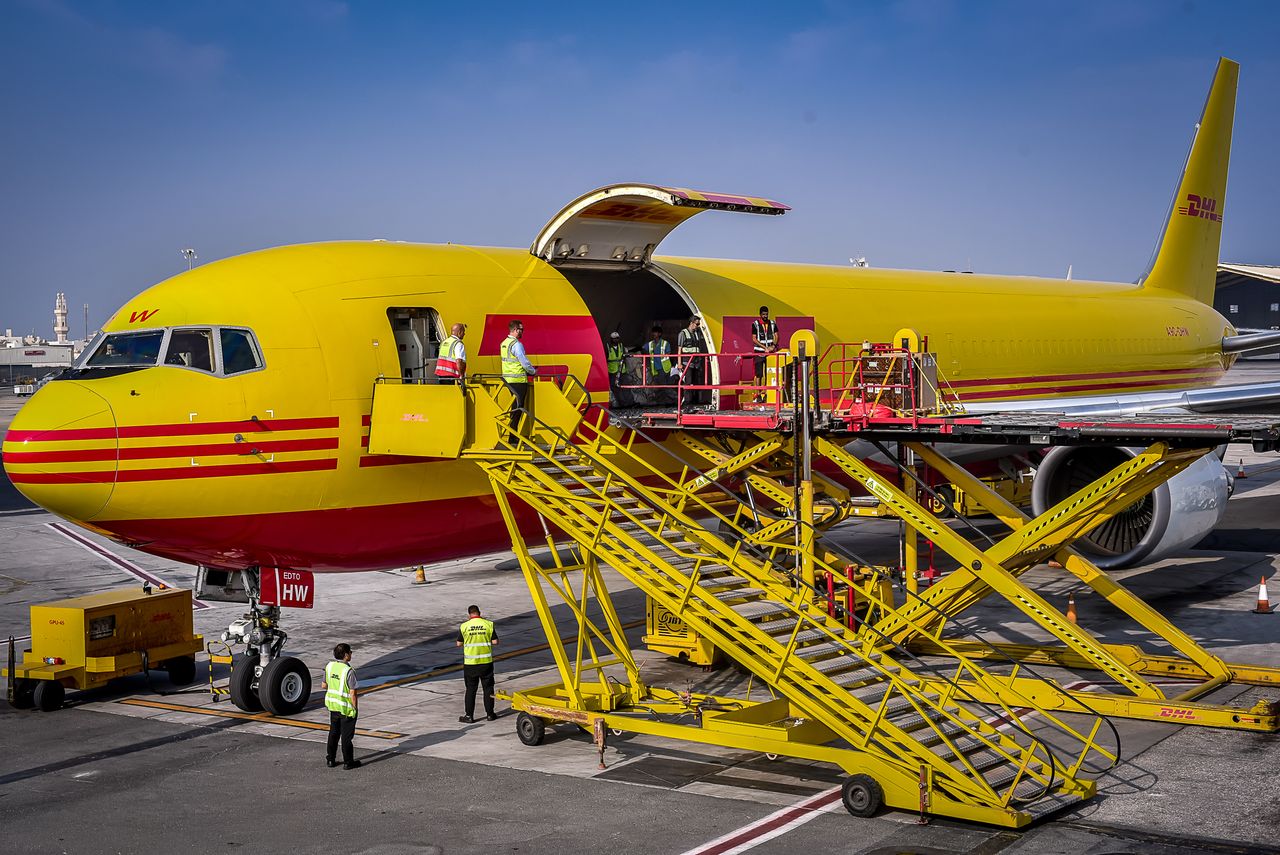
DHL Group has extended its sustainable aviation fuel (SAF) partnership with IAG Cargo for a five-year term, committing to supply approximately 240 million liters of SAF at London Heathrow Airport (LHR). This agreement supports the transportation of cargo on British Airways flights, reflecting a growing industry demand for lower-emission logistics solutions. The extension builds upon a previous 2025 renewal, indicating a sustained commitment to reducing emissions in air freight operations. The SAF deal underscores the aviation sector’s shift towards more sustainable practices, aligning with broader industry trends towards environmental responsibility.
Key Points:
- DHL Group and IAG Cargo have signed a new five-year agreement to supply 240 million liters of SAF at London Heathrow Airport.
- The agreement extends a previous 2025 renewal, demonstrating a long-term commitment to sustainable aviation fuel.
- The deal supports the transportation of cargo on British Airways flights, highlighting the practical application of SAF in air freight operations.
- The partnership reflects a broader industry trend towards reducing emissions in logistics and air travel.
Actionable Takeaways:
-
Investment in Sustainable Aviation Fuel: Companies in the logistics and aviation sectors should consider investing in SAF production and partnerships to meet regulatory and consumer demands for lower-emission solutions. This move aligns with global efforts to reduce the carbon footprint of air travel and can enhance corporate sustainability credentials.
-
Strategic Partnerships for Emission Reduction: Businesses should explore strategic partnerships with fuel suppliers and airlines to accelerate the adoption of SAF. Such collaborations can lead to cost efficiencies and compliance with emerging environmental regulations, providing a competitive edge in the market.
Contextual Insights:
The expansion of SAF partnerships in the aviation industry underscores a significant shift towards sustainability, driven by both regulatory pressures and consumer expectations. As airlines and logistics providers seek to minimize their environmental impact, SAF emerges as a critical component of the solution. This trend is indicative of a larger industry movement towards integrating green technologies and practices, which is reshaping the competitive landscape. For startups and established firms alike, embracing sustainable aviation fuels and related innovations can not only mitigate environmental risks but also open new avenues for growth and market differentiation. The focus on SAF aligns with broader industry trends towards digital transformation and sustainability, highlighting the interconnectedness of technological advancement and environmental stewardship in the travel sector.
Read the Complete Article.



