












Article Summary:
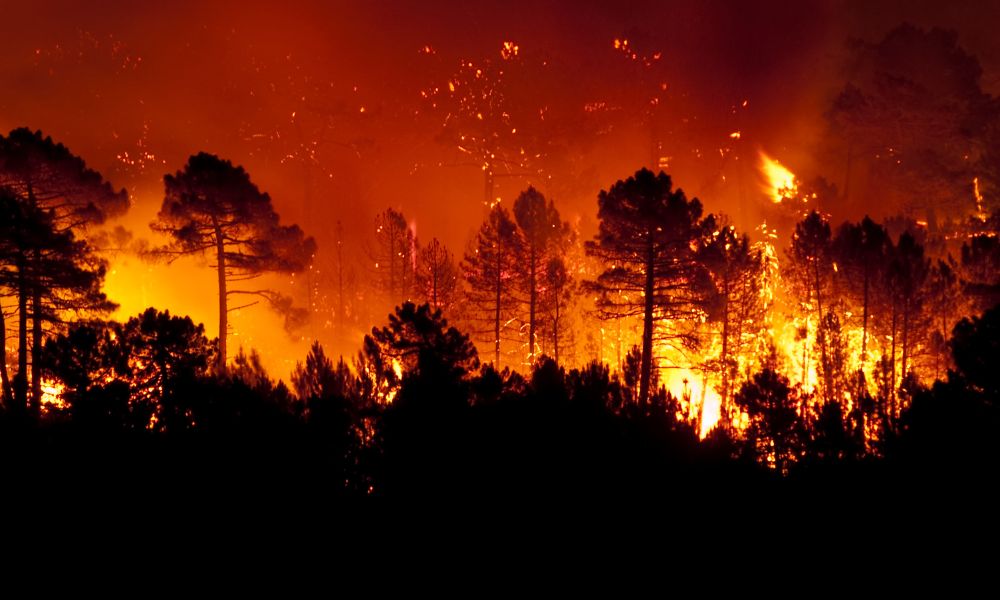
The article discusses the impacts of current fire and heat conditions on personal, commercial, and rural insurance portfolios. It highlights key exposures such as direct bushfire damage, ember attack, and smoke, ash, and soot affecting properties in high-risk districts in Victoria, South Australia, and New South Wales. Additionally, it mentions potential extended power outages in areas not directly reached by flames. The article also touches on the latest travel trends and insights from thought leaders, emphasizing the importance of staying informed about emerging trends and technological advancements in the travel industry.
Key Points:
- The fire and heat conditions are affecting multiple insurance classes, including home, contents, and strata policies, with key exposures being direct bushfire damage, ember attack, and smoke, ash, and soot.
- Areas not directly affected by flames may still experience extended power outages, impacting insurance claims and policyholder experiences.
- The article emphasizes the need for insurance companies to adapt to these changing conditions, potentially leading to innovations in coverage and risk assessment.
- The latest travel trends and insights from thought leaders are highlighted, indicating a focus on emerging technologies and market dynamics in the travel sector.
Actionable Takeaways:
- Insurance Adaptation: Insurance companies should review and potentially adjust their policies to account for the increased risks associated with fire and heat conditions. This includes updating coverage for direct bushfire damage, ember attack, and smoke, ash, and soot, as well as addressing potential power outages. This adaptation is crucial for maintaining customer trust and ensuring adequate protection in high-risk areas.
- Innovation in Risk Assessment: The article suggests a need for innovation in risk assessment methodologies within the insurance sector. By leveraging advanced data analytics and predictive modeling, insurers can better anticipate and mitigate risks associated with fire and heat events, leading to more resilient insurance portfolios.
- Focus on Emerging Technologies: The insights from thought leaders underscore the importance of staying abreast of emerging technologies in the travel industry. This includes adopting new tools and platforms that enhance operational efficiency, improve customer experience, and provide competitive advantages. Embracing these technologies can help travel companies navigate the evolving landscape and capitalize on new opportunities.
Contextual Insights:
The article’s focus on the impacts of fire and heat conditions on insurance portfolios is timely, given the increasing frequency and intensity of such events due to climate change. This context is crucial for understanding the broader implications for the insurance industry and the need for adaptive strategies. The emphasis on emerging technologies and travel trends reflects the dynamic nature of the travel sector, where innovation and adaptability are key to success. By integrating these insights, the travel industry can better position itself to address current challenges and capitalize on future opportunities, ensuring resilience and growth in a rapidly changing environment.
Read the Complete Article.


