












Comprehensive Summarization:
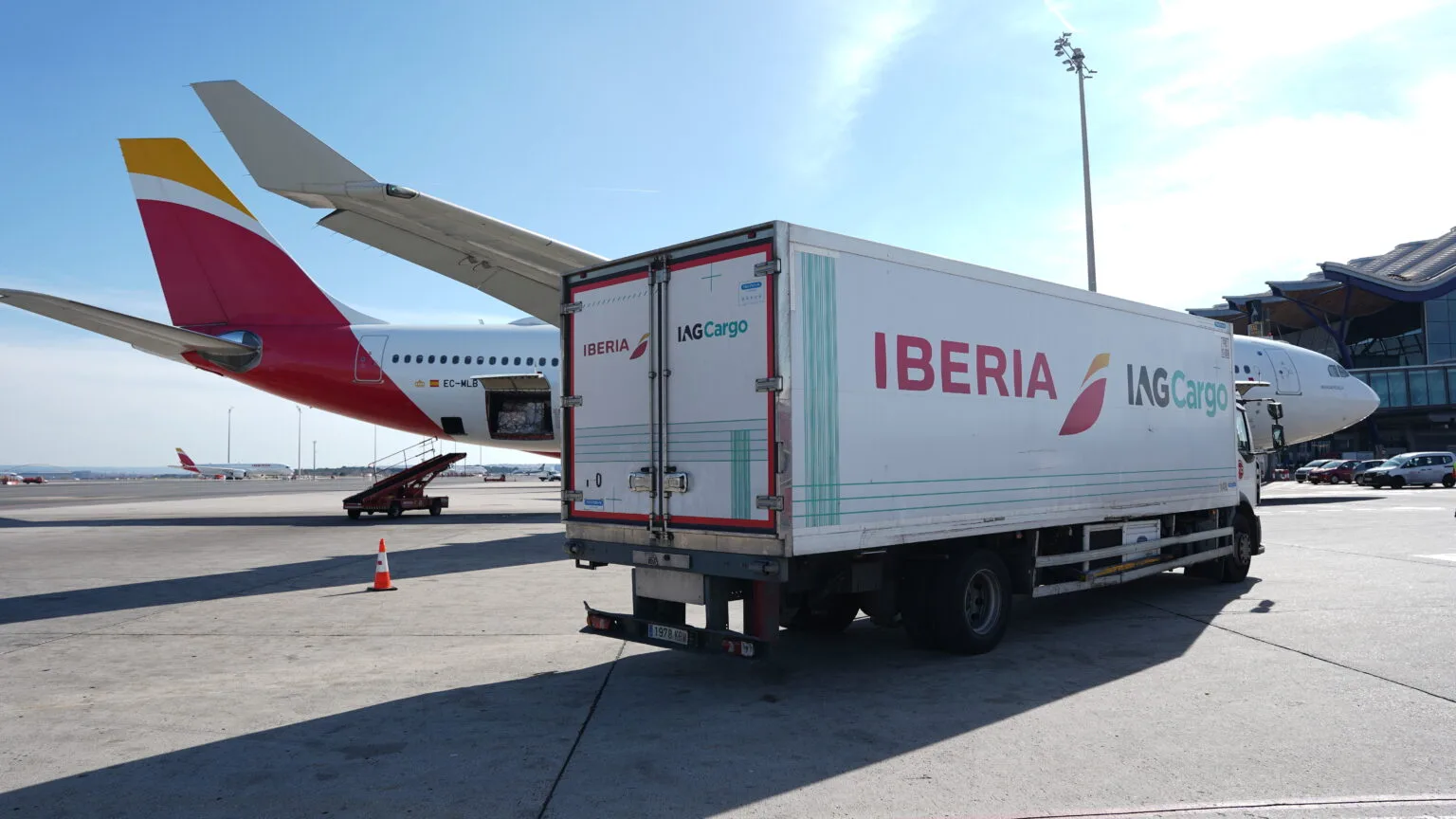
The article “Fast and Fresh: Spain’s Aquaculture Reaches the World” highlights the significant growth in Spain’s aquaculture exports, driven by the rising demand for Mediterranean fish in international markets. This growth is largely attributed to advanced logistics and a robust cold chain, enabling high-quality farmed fish such as sea bass, sea bream, and meagre to reach distant markets in under 48 hours. The success of this export strategy is credited to the collaboration between IAG Cargo and prominent Spanish exporters, who leverage air freight to ensure the freshness of the fish. The article underscores the importance of technological advancements and strategic partnerships in meeting the global demand for fresh seafood, positioning Spain as a key player in the aquaculture industry.
Key Points:
- Spain’s aquaculture sector is experiencing rapid growth due to increased demand for Mediterranean fish in international markets.
- Advanced logistics and a robust cold chain are critical in ensuring the freshness of farmed fish like sea bass, sea bream, and meagre, which reach distant markets within 48 hours.
- The collaboration between IAG Cargo and Spanish exporters is pivotal in facilitating the efficient transportation of fresh fish, leveraging air freight technology.
- The article emphasizes the role of technological innovation and strategic partnerships in meeting global seafood demand, positioning Spain as a leader in aquaculture exports.
Actionable Takeaways:
-
Enhanced Cold Chain Logistics: Implementing advanced cold chain logistics can significantly improve the freshness and shelf life of seafood products, ensuring they reach international markets within 48 hours. This is crucial for maintaining product quality and meeting the expectations of global consumers.
-
Strategic Partnerships with Logistics Providers: Collaborating with specialized logistics providers like IAG Cargo can streamline the transportation process, reduce transit times, and enhance the overall efficiency of seafood exports. Such partnerships can provide access to cutting-edge technology and expertise, further optimizing supply chain operations.
-
Investment in Seafood Export Infrastructure: Increasing investment in infrastructure that supports seafood export, such as refrigerated shipping containers and efficient air freight systems, can enhance the competitiveness of Spain’s aquaculture sector. This investment can lead to reduced costs, improved delivery times, and increased market share in international seafood markets.
Contextual Understanding:
The article reflects the current trends in the global seafood market, where there is a growing demand for fresh, high-quality fish from Mediterranean regions. The emphasis on advanced logistics and cold chain technology aligns with broader industry trends towards improving supply chain efficiency and product freshness. The collaboration between IAG Cargo and Spanish exporters exemplifies the importance of strategic partnerships in overcoming logistical challenges and meeting the demands of a global market. These developments underscore the ongoing transformation of the travel and logistics industry, driven by technological advancements and the need for rapid, reliable transportation of perishable goods.
Handling Different Article Types:
The article is a news brief that provides factual information about Spain’s aquaculture sector and its export strategies. It does not present an opinion piece or a feature article, so the analysis focuses on factual summaries and actionable insights derived directly from the content provided. The structured output format ensures that the information is presented clearly and concisely, suitable for integration into professional reports or presentations.
Read the Complete Article.



